Save on electricity bills with smart home lighting
What's the story
Automating home lighting can be an easy and cost-effective way to make your home more energy-efficient. By using smart technology, you can control when and how your lights are used, cutting down on electricity consumption and saving on bills. Here are some practical tips to get you started with automating your home lighting without breaking the bank.
Smart bulbs
Use smart bulbs for efficiency
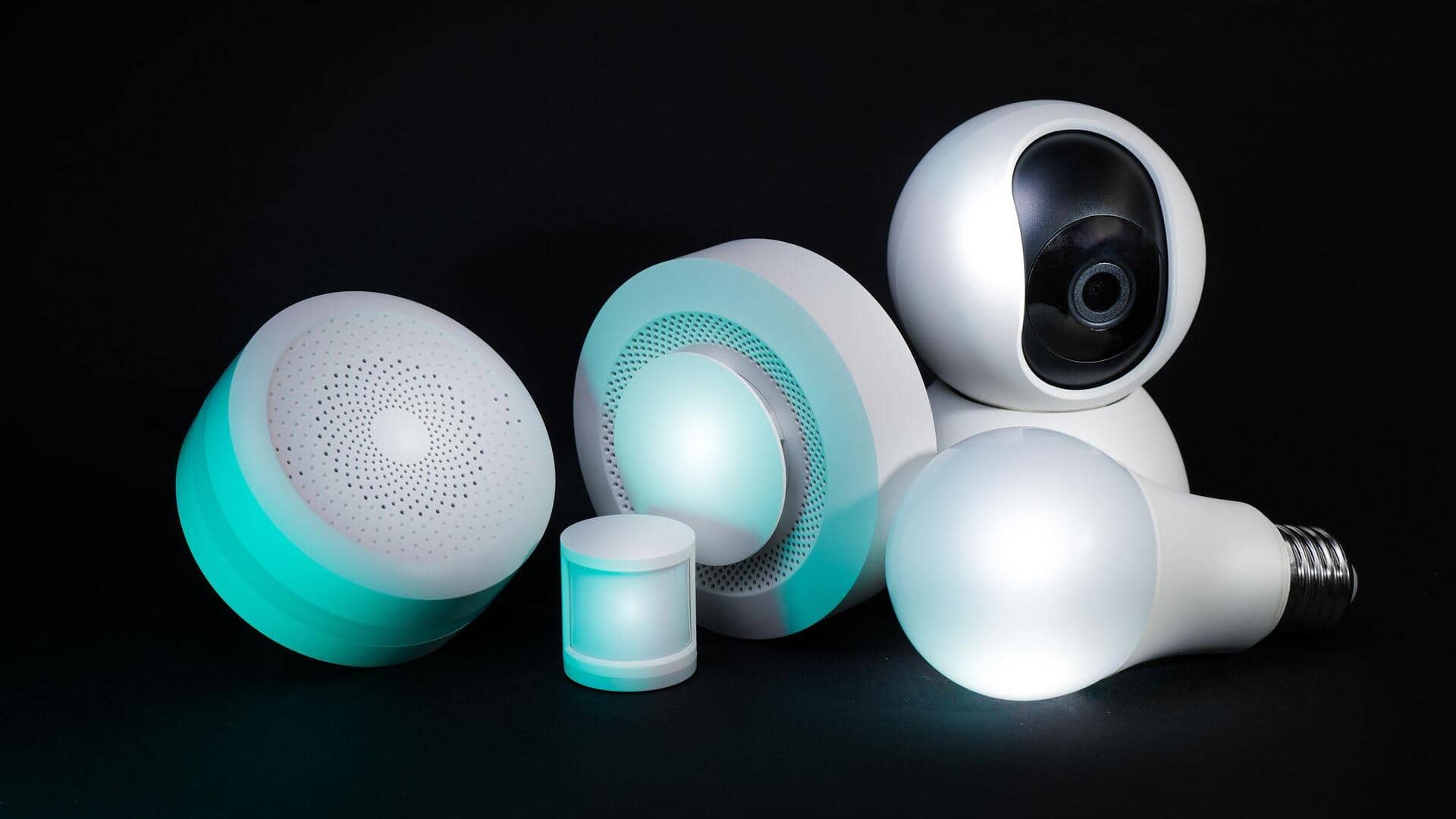
Smart bulbs are a great way to automate lighting at home.
They can be controlled via smartphone apps or voice commands, giving you the flexibility to switch them on and off or dim them from anywhere in the house.
Most smart bulbs also come with energy-saving features, like scheduling and motion detection, which help reduce unnecessary power usage.
Motion sensors
Install motion sensors in key areas
Motion sensors are a great addition to any home automation system. They turn on lights when someone enters a room and turn them off when the room is empty.
This is especially useful in areas like hallways or bathrooms, where lights tend to be left on by mistake.
By using motion sensors, you can save energy by not having lights on when not needed.
Lighting schedules
Set up lighting schedules
Setting up lighting schedules is another effective way to automate home lighting.
Most smart lighting systems let you program specific times for lights to turn on or off automatically.
This way, you can ensure that lights are only used when necessary, such as during evening hours, while avoiding them being left on all night.
Home integration
Integrate with home automation systems
Integrating your lighting system with other home automation devices can further enhance efficiency.
For example, connecting lights with smart thermostats or security systems allows for coordinated actions based on various conditions, like adjusting lighting based on occupancy or time of day changes.
Dimmer switches
Utilize dimmer switches for flexibility
Dimmer switches provide flexibility in controlling light intensity according to the mood and activity level in a room.
They also help save energy, as lower brightness levels consume less power than full brightness settings do.
Installing dimmer switches alongside smart technologies can significantly improve both comfort levels and energy savings at home.