How to shop responsibly at wildlife reserve areas
What's the story
African wildlife reserves are a great place to connect with nature and witness the continent's unique flora and fauna. However, shopping in these regions isn't just about souvenirs; it's about supporting local communities and conservation efforts. From handcrafted items to sustainable products, shopping here can be both rewarding and impactful. Here are some smart shopping tips for those visiting African wildlife reserves.
Tip 1
Support local artisans
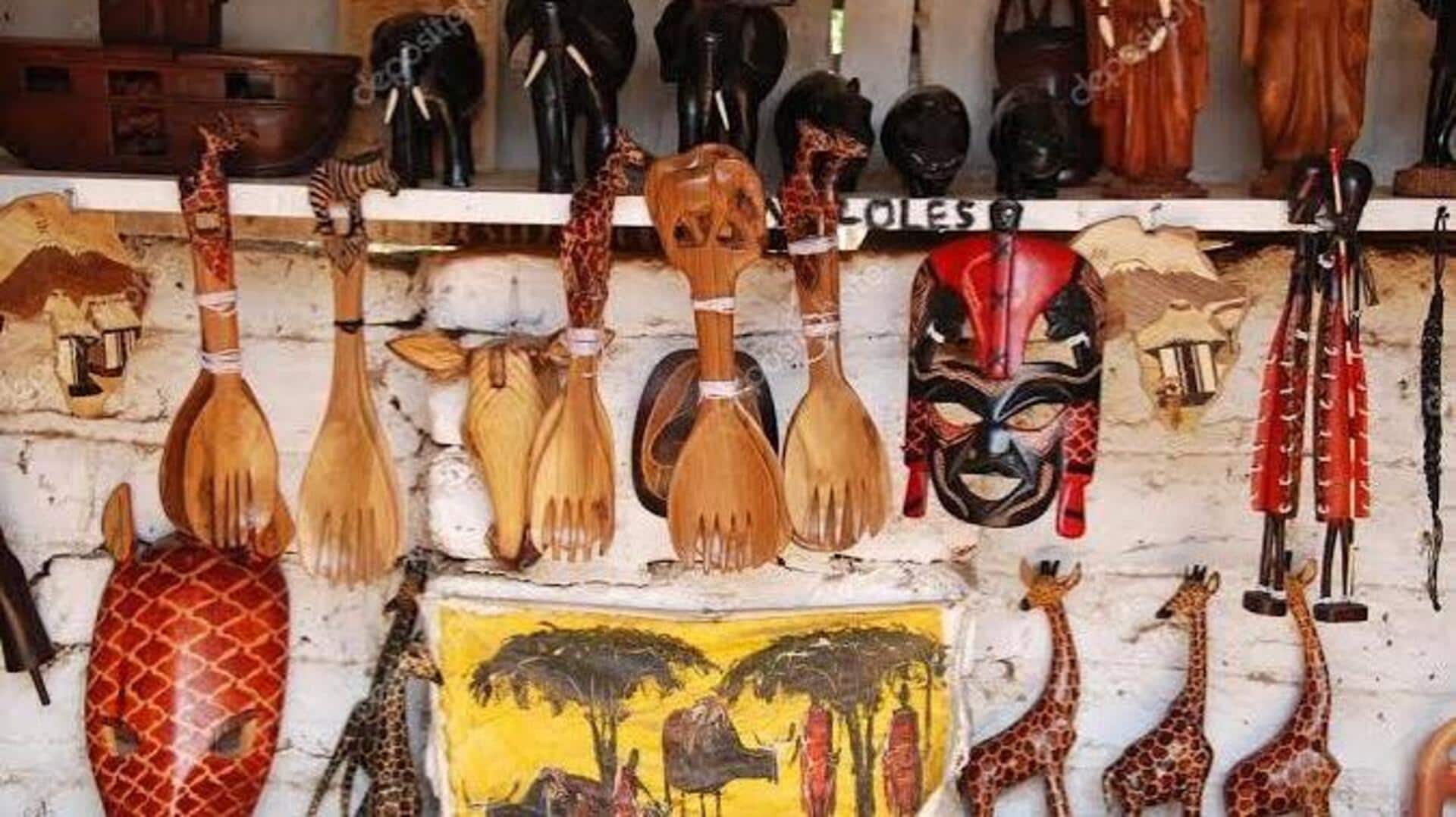
When you shop from local artisans, you not only get authentic souvenirs, but also support the local economy.
Many artisans make crafts from traditional techniques, which have been passed down through generations.
From jewelry to textiles, these products are often made from locally sourced materials.
By buying these items, you contribute to the preservation of cultural heritage, and provide livelihoods to local communities.
Tip 2
Choose sustainable products
Opting for sustainable products is key when shopping in wildlife reserve areas.
Look for items made from renewable resources, or those that promote conservation efforts.
For instance, some markets sell goods made from recycled materials or organic ingredients.
These purchases help reduce environmental impact and promote eco-friendly practices among vendors.
Tip 3
Engage with community projects
Many wildlife reserves have community projects that encourage tourists to shop ethically.
These projects often have cooperatives where local people come together to make and sell their crafts.
By buying from these initiatives, you help empower communities, and ensure fair trade practices are followed.
Plus, you get to learn about local cultures and their commitment to conservation.
Tip 4
Be mindful of cultural sensitivities
When shopping in Africa's wildlife reserve regions, it is important to respect cultural sensitivities.
Always ask for permission before photographing people or their workspaces, and respect pricing as a reflection of the local economy, rather than haggling aggressively.
This respectful approach ensures positive interactions between visitors and locals, while fostering goodwill.
Tip 5
Prioritize quality over quantity
When shopping in African wildlife reserves, it pays to focus on quality instead of quantity.
Pick items that are well-crafted and durable, even if they cost a little more.
This way, you not only support artisans who take pride in their work, but also get keepsakes that will last longer than cheap trinkets.
Quality purchases are a better reflection of the rich culture and craftsmanship of the region.