Love snorkeling? Add this Mozambique gem to your list
What's the story
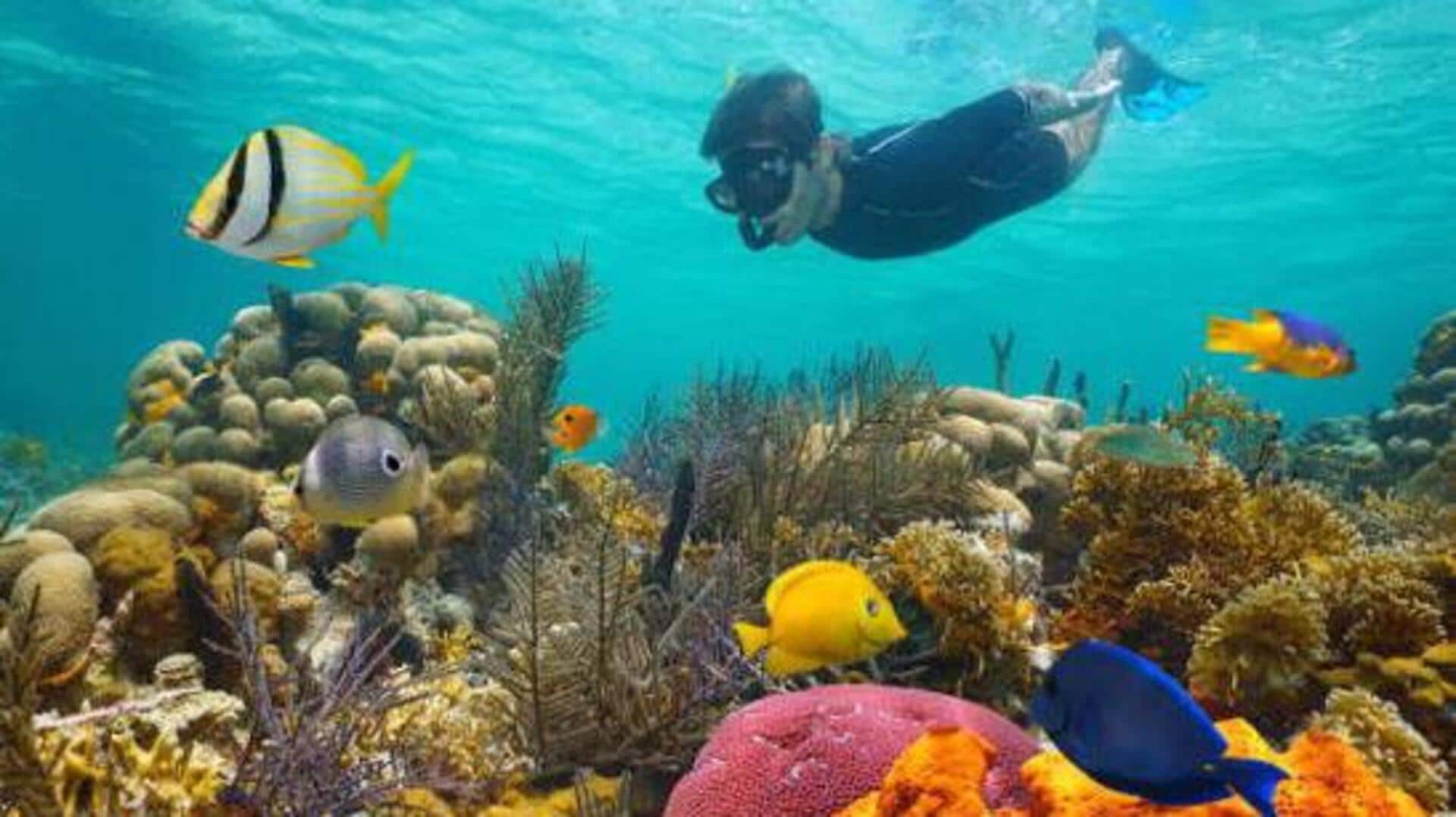
The Quirimbas Islands in Mozambique are a snorkeler's paradise, famous for their stunning coral reefs and marine biodiversity. The islands' clear waters and rich underwater life make them an ideal destination for those looking to explore the ocean's depths. From vibrant corals to colorful fish, the reefs of these islands provide a unique opportunity to witness the beauty of marine ecosystems up close.
#1
Discovering vibrant coral reefs
The coral reefs around the Quirimbas Islands are among the most diverse in Africa. They host a plethora of coral species, from hard corals to soft corals, which provide habitat to a variety of marine life.
Snorkelers can witness firsthand how these ecosystems work, with colorful fish darting through corals, and sea turtles gliding by.
The health of these reefs is vital for sustaining local biodiversity.
#2
Encountering diverse marine life
The waters around the Quirimbas Islands are teeming with marine life.
Snorkelers can expect to see schools of tropical fish, sea turtles, and even dolphins on some occasions.
The rich biodiversity is a testament to the pristine conditions of these waters, making it an ideal spot for nature lovers and marine enthusiasts alike.
#3
Tips for safe snorkeling experience
Safety should always be the priority while snorkeling.
Always check weather conditions before heading out, and ensure you have proper gear like masks and fins.
It's best to snorkel with a buddy and keep an eye on each other at all times.
Staying within designated areas and being mindful of currents will ensure a safe experience while exploring these beautiful reefs.
#4
Respecting marine ecosystems
While enjoying snorkeling in Mozambique's Quirimbas Islands, it is important to respect marine ecosystems.
Avoid touching corals or disturbing wildlife, as this can have a negative impact on delicate habitats.
Using "reef-safe" sunscreen helps protect underwater environments from harmful chemicals that could damage coral reefs over time.