
Why supine pelvic tilts must be in every fitness regimen
What's the story
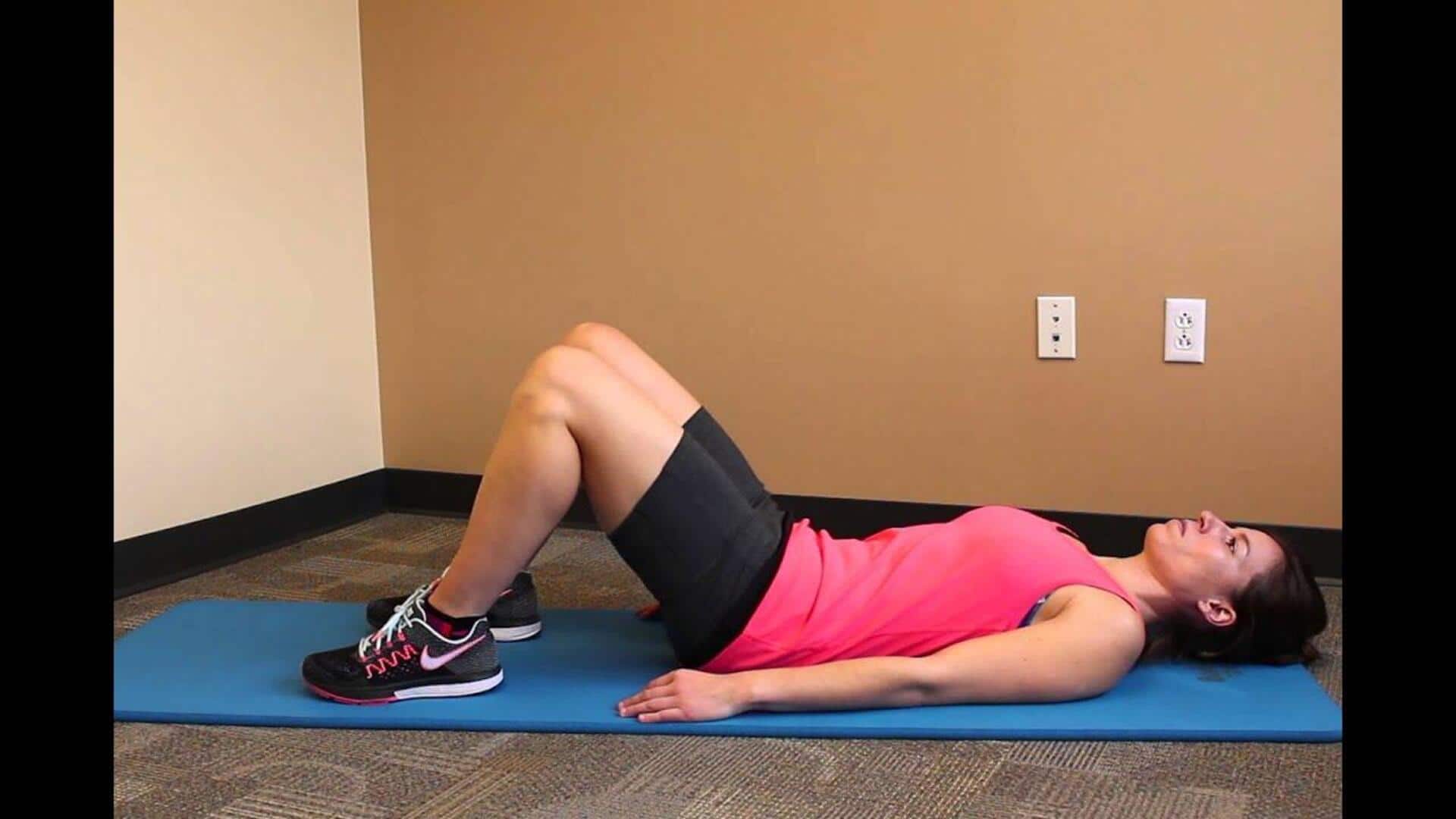
Supine pelvic tilts are a simple yet effective exercise that can be performed by anyone, anywhere. This movement involves lying on your back with knees bent and gently tilting the pelvis upward. It is commonly recommended for improving core strength and flexibility. However, the benefits of this exercise extend beyond the obvious. Here are five surprising benefits of incorporating supine pelvic tilts into your routine.
#1
Enhances lower back health
Supine pelvic tilts are great for lower back health. By strengthening the core muscles and improving spinal alignment, these tilts can help reduce lower back pain. Regular practice may even improve posture by encouraging a neutral spine position. This takes pressure off the lower back and prevents discomfort.
#2
Improves pelvic floor strength
The pelvic floor muscles play an important role in supporting the bladder and other organs. Supine pelvic tilts engage these muscles, helping to strengthen them over time. This can be especially beneficial for those experiencing mild incontinence or looking to improve their pelvic health post-pregnancy.
#3
Increases flexibility in hips
If you want to increase your hip flexibility, supine pelvic tilts are a great exercise to do. The gentle rocking motion helps loosen tight hip flexors and improves range of motion in the hips. This increased flexibility can be useful for performing daily activities with greater ease and reducing the risk of injury during physical exertion.
#4
Aids in better balance and coordination
Performing supine pelvic tilts regularly can improve your balance and coordination by activating stabilizing muscles in the abdomen and pelvis. These muscles are crucial for maintaining stability during movement, thus improving your overall balance skills over time. Better balance not only helps you perform better in sports but also reduces the risk of falls as you age.
#5
Supports digestive health
Supine pelvic tilts may also aid digestion by stimulating intestinal movement through gentle abdominal compression and release during the exercise. This rhythmic action can help alleviate bloating or discomfort associated with digestive issues when practiced consistently as part of a healthy lifestyle regimen.