All about Swahili architecture
What's the story
Swahili architecture is a unique blend of African, Arab, and Persian influences, which is most evident in the coastal regions of East Africa. The style is characterized by intricate carvings, coral stone buildings, and beautifully crafted doors. The architecture not only reflects the cultural exchanges that have taken place over centuries, but also the adaptation to local conditions. Here are some key elements and historical insights into this fascinating architectural style.
#1
Coral stone construction techniques
Coral stone is a key material in Swahili architecture. It is locally available and used for building resilient structures that withstand the coastal climate.
The coral blocks are easy to carve, allowing artisans to create detailed patterns and designs.
This technique not only provides durability but also contributes to the aesthetic appeal of the buildings.
#2
Intricate wooden doors
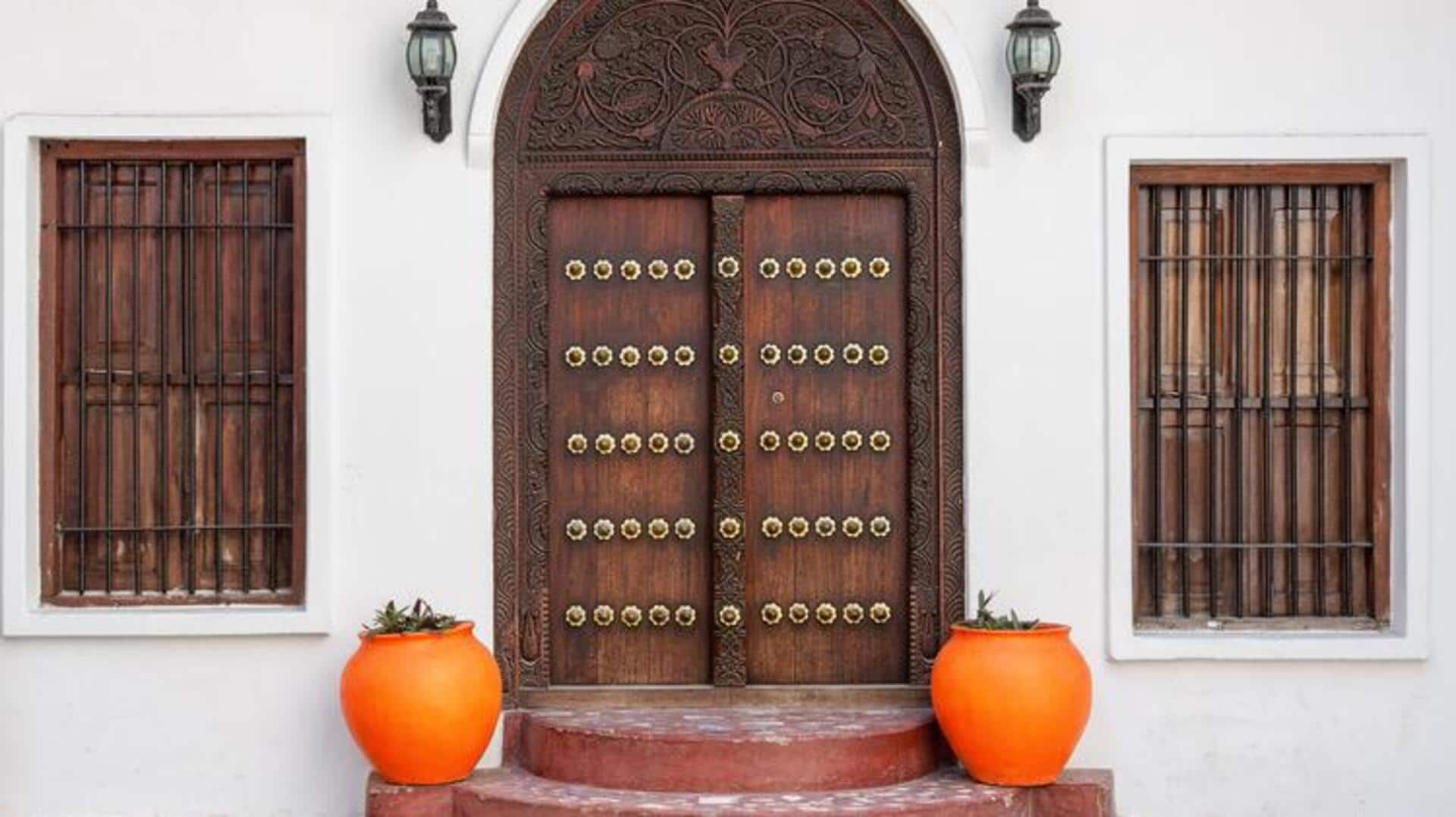
One of the most distinctive features of Swahili architecture are its wooden doors.
These doors are often embellished with brass studs, and elaborate carvings that depict cultural symbols or historical events.
The craftsmanship involved in making these doors is a testament to the skilled artisans who have preserved this tradition over generations.
#3
Open courtyards as social spaces
Open courtyards are an integral part of Swahili homes, serving as social hubs for families and guests alike.
These spaces provide ventilation and light, while serving as areas for gatherings or relaxation.
The design emphasizes community interaction within private residences, reflecting the importance of social bonds in Swahili culture.
#4
Adaptation to coastal environment
Swahili architecture has been adapted to the coastal environment, with features like high ceilings for airflow, and thick walls for insulation from heat.
These elements ensure comfort in hot climates while maintaining structural integrity against strong winds and salty air from the ocean.