Swiss watchmaking secrets: Lesser-known techniques
What's the story
Swiss watchmaking is synonymous with precision and artistry, but it also has some lesser-known techniques that add to the uniqueness of its timepieces. These methods, which have been passed down through generations, are a testament to the craftsmanship and innovation of Swiss watchmakers. Knowing these techniques gives insight into what makes Swiss watches so desirable and how they remain at the forefront of horological excellence.
#1
The art of guilloche engraving
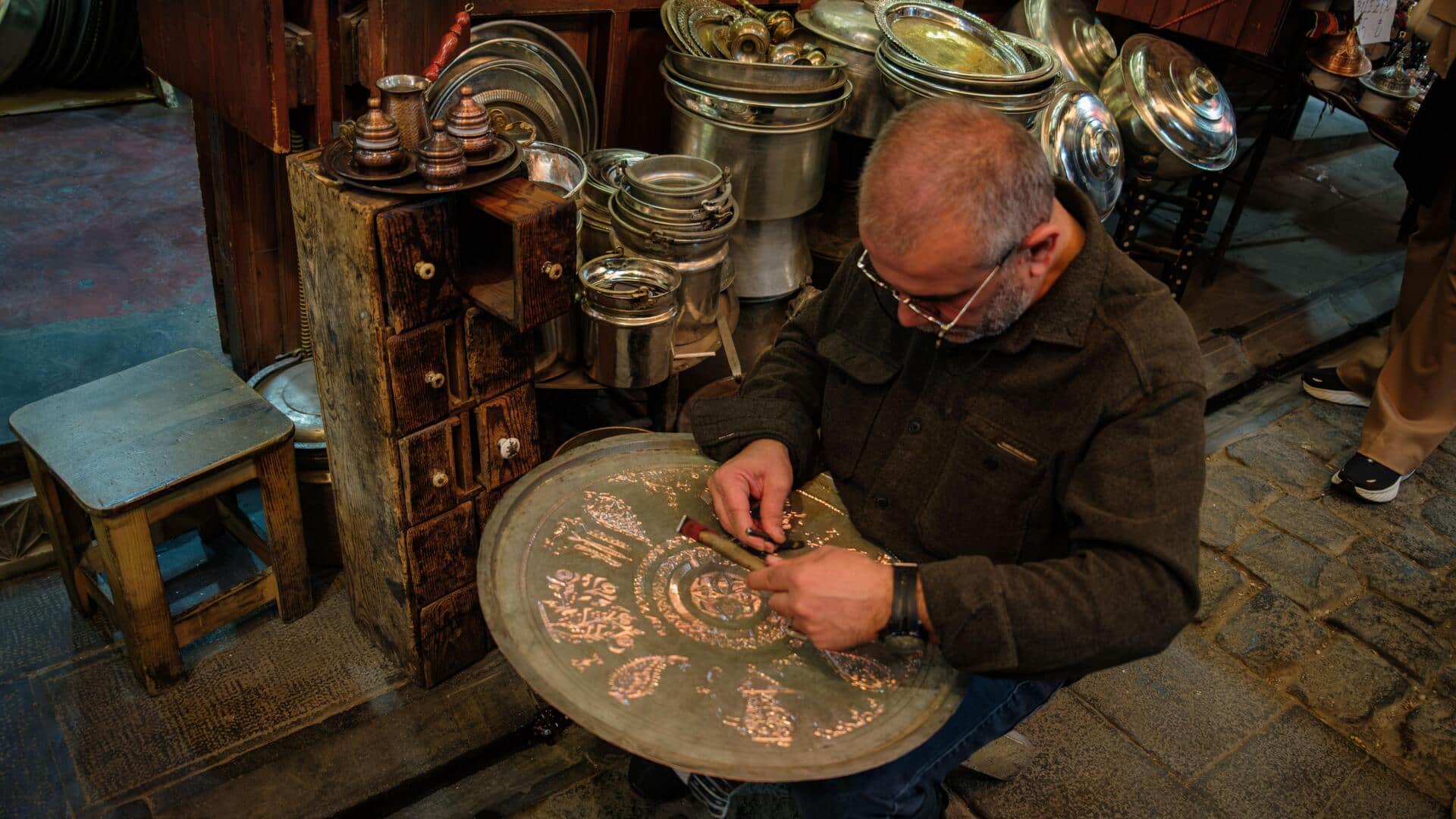
Guilloche engraving is a decorative technique that involves intricate patterns on watch dials or cases.
Using a rose engine lathe, artisans create repetitive designs such as waves or sunbursts.
This process is painstakingly manual and requires a lot of skill, making each piece unique.
The technique not only adds aesthetic value but also increases the durability of the surface by creating micro-patterns that resist wear.
#2
Mastering enamel painting
Enamel painting is another traditional technique that adds color and depth to watch dials.
The process involves applying powdered glass mixed with pigments onto the dial's surface and firing it at high temperatures in a kiln.
This fuses the enamel with the metal base, creating vibrant colors that are both long-lasting and resistant to fading.
Enamel painting requires precision and patience, as multiple layers may be needed for complex designs.
#3
Achieving perfect balance with hand-finishing
Hand-finishing is all about refining every component of a watch movement to perfection.
It involves polishing gears, plates, and bridges by hand using specialized tools like files or polishing wheels.
This careful process reduces friction between parts and improves appearance. Smooth surfaces and sharp edges are signs of quality craftsmanship.
#4
Utilizing micro-engineering techniques
Micro-engineering techniques allow Swiss watchmakers to create intricate mechanisms within tiny spaces without compromising on quality or performance standards set by luxury brands globally today.
These include using advanced machinery capable of producing components as small as a few micrometers in size, yet with the utmost precision required to ensure the reliability expected from top-tier timepieces worldwide.