Thalipeeth: A must-try traditional breakfast from Maharashtra
What's the story
Thalipeeth is a traditional multigrain flatbread from Maharashtra, a state in western India. It is a staple breakfast option for many locals and is loved for its nutritional value and unique taste. Made from a combination of different flours, thalipeeth is not only filling but also offers a variety of textures and flavors. It can be an ideal option for anyone looking to explore authentic Maharashtrian cuisine.
#1
Ingredients that make thalipeeth unique
Thalipeeth is made from a mixture of flours such as jowar, bajra, wheat, and rice.
These grains are ground into a fine powder and mixed with spices such as cumin seeds, coriander seeds, and turmeric.
Fresh herbs like coriander leaves or green chilies are also added to enhance the flavor.
The dough is then shaped into flatbreads and cooked on a hot griddle.
#2
Nutritional benefits of thalipeeth
Thalipeeth is loaded with nutrients, thanks to its multi-grain composition.
It is a great source of fiber, which helps with digestion and keeps you full for longer.
The different grains used in making thalipeeth also provide essential vitamins and minerals, such as iron, magnesium, and zinc.
Eating thalipeeth regularly can contribute to a balanced diet without sacrificing taste.
#3
Cooking techniques for perfect thalipeeth
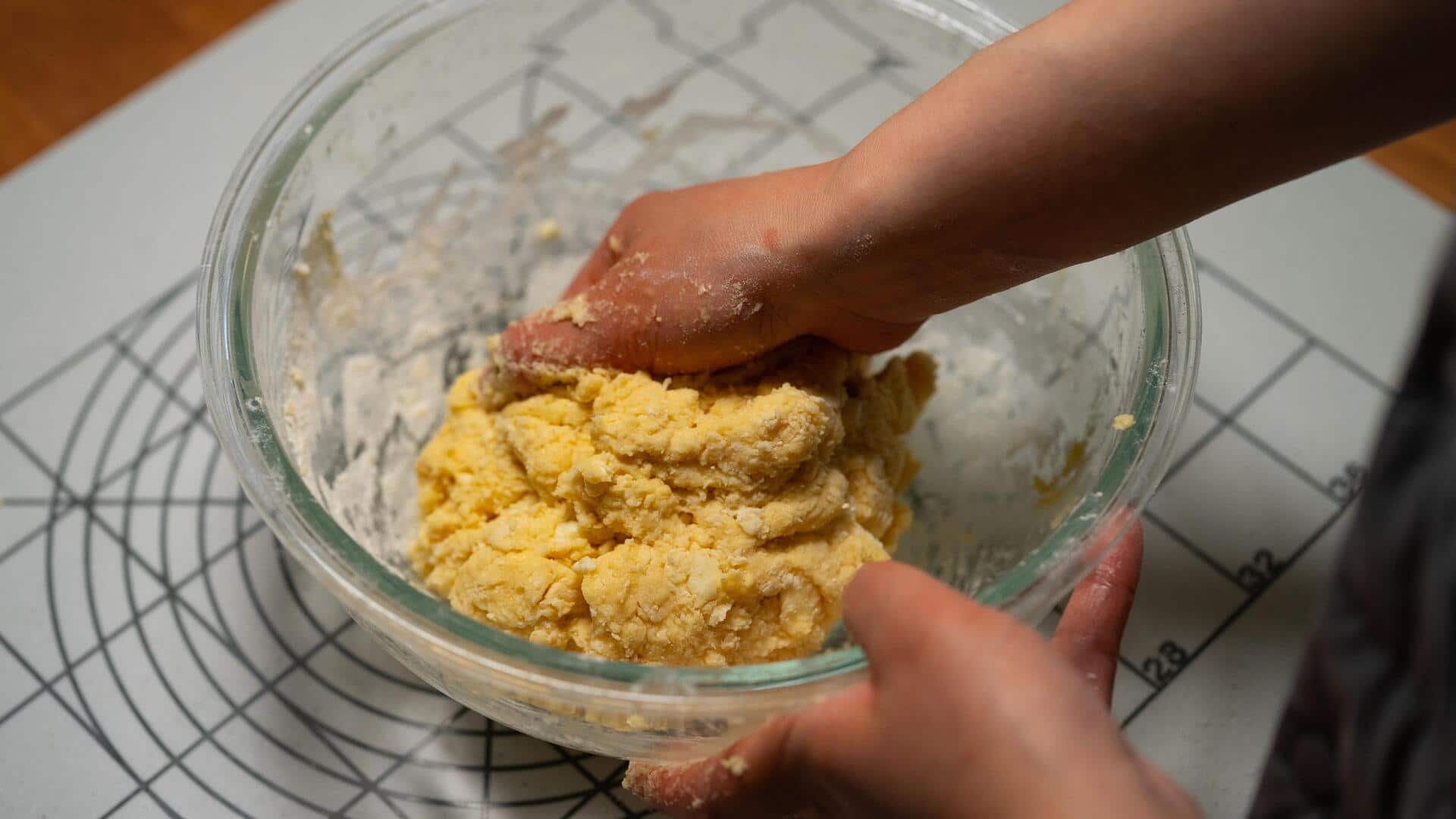
To get the perfect thalipeeth, it is important to knead the dough well so that it binds properly when shaped.
Use water sparingly while kneading, as too much moisture can make it difficult to cook evenly on the griddle.
Cook on medium heat so that it gets crispy on the outside while remaining soft on the inside.
#4
Pairing suggestions for thalipeeth
Thalipeeth can be enjoyed with a variety of accompaniments that enhance its flavor profile even further.
Traditionally, it is served with butter or ghee slathered generously over it before serving hot off the griddle.
For those who prefer something tangy, serving alongside yogurt or pickles adds a refreshing contrast, balancing out the earthy notes found within each bite.