5 fascinating facts about Mongolian horse culture
What's the story
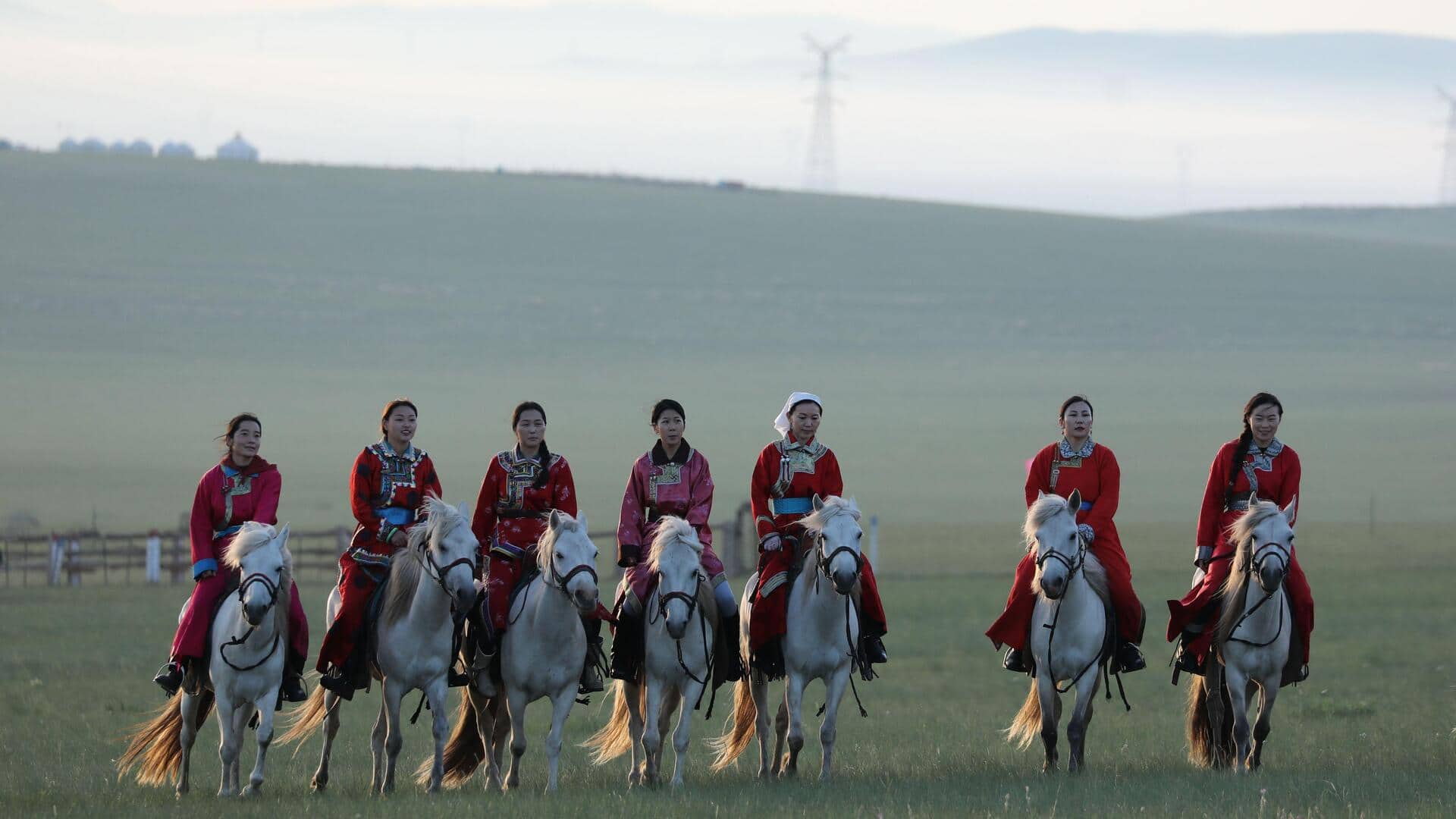
Mongolia is famous for its rich nomadic culture, and horses are at the heart of it. The animals are not just modes of transport but also an integral part of the Mongolian identity and heritage. Here are five fascinating aspects of Mongolian horse culture that highlight the deep-rooted connection between the people and their equine companions.
#1
The horse's role in nomadic life
In Mongolia's vast steppes, horses are indispensable for nomadic families. They serve as a primary means of transport and help in herding livestock. The nomadic lifestyle requires families to move frequently, making horses an essential part of daily life. Without horses, moving would be nearly impossible, given the vast distances involved.
#2
Unique horse breeds of Mongolia
Mongolia is home to unique horse breeds that are specially adapted to its harsh climate and terrain. The Mongolian horse is small but sturdy, capable of enduring extreme weather conditions. These horses are known for their endurance and ability to navigate rugged landscapes with ease.
#3
Traditional horse games and festivals
Horse games are an integral part of Mongolian culture, showcasing skills and traditions passed down through generations. One of the most famous is Khushoo Murin, a traditional game where riders compete in speed and agility on horseback. These events are often held during festivals like Naadam, which celebrate national pride and heritage.
#4
Spiritual significance of horses
Horses also hold spiritual significance in Mongolian culture, where they are revered as symbols of freedom and strength. Many believe that horses possess a special connection with the spirit world, making them sacred animals in various rituals and ceremonies.
#5
Training methods passed down generations
Training methods for Mongolian horses have been passed down through generations without the use of modern technology or equipment. Handlers rely on trust-building exercises, patience, and understanding animal behavior to train these magnificent creatures effectively. This traditional approach ensures that both horse and rider develop a strong bond over time, resulting in harmonious partnerships.