Healthy ancient grains to add to your diet
What's the story
Ancient grains have been a staple in many cultures for centuries, providing nutritious alternatives to modern-day cereals. These grains are rich in fiber, vitamins, and minerals, making them a healthy choice for those looking to diversify their diet. From quinoa to farro, these grains offer unique flavors and textures that can enhance a variety of dishes. Here are five ancient grains that have stood the test of time and continue to be popular today.
#1
Quinoa: The protein powerhouse
Quinoa is often touted as a complete protein source since it contains all nine essential amino acids. It is also gluten-free and packed with dietary fiber, magnesium, and antioxidants. Native to South America, quinoa can be cooked like rice or used in salads and soups. Its nutty flavor makes it a versatile ingredient in both savory and sweet recipes.
#2
Farro: The ancient wheat
Farro is an ancient wheat variety that has been cultivated for over 10,000 years. It has a chewy texture and nutty taste that pairs well with vegetables or can be used as a base for grain bowls. Farro is rich in fiber, iron, and magnesium, but contains gluten, so it may not be suitable for those with celiac disease or gluten sensitivity.
#3
Amaranth: The tiny seed with big benefits
Amaranth is a tiny seed that packs a nutritional punch with high levels of protein, including lysine, which is rare in grains, calcium, iron, and potassium. It is also gluten-free and has anti-inflammatory properties. Amaranth can be cooked like porridge or popped like popcorn for a crunchy snack option.
#4
Millet: The versatile grain
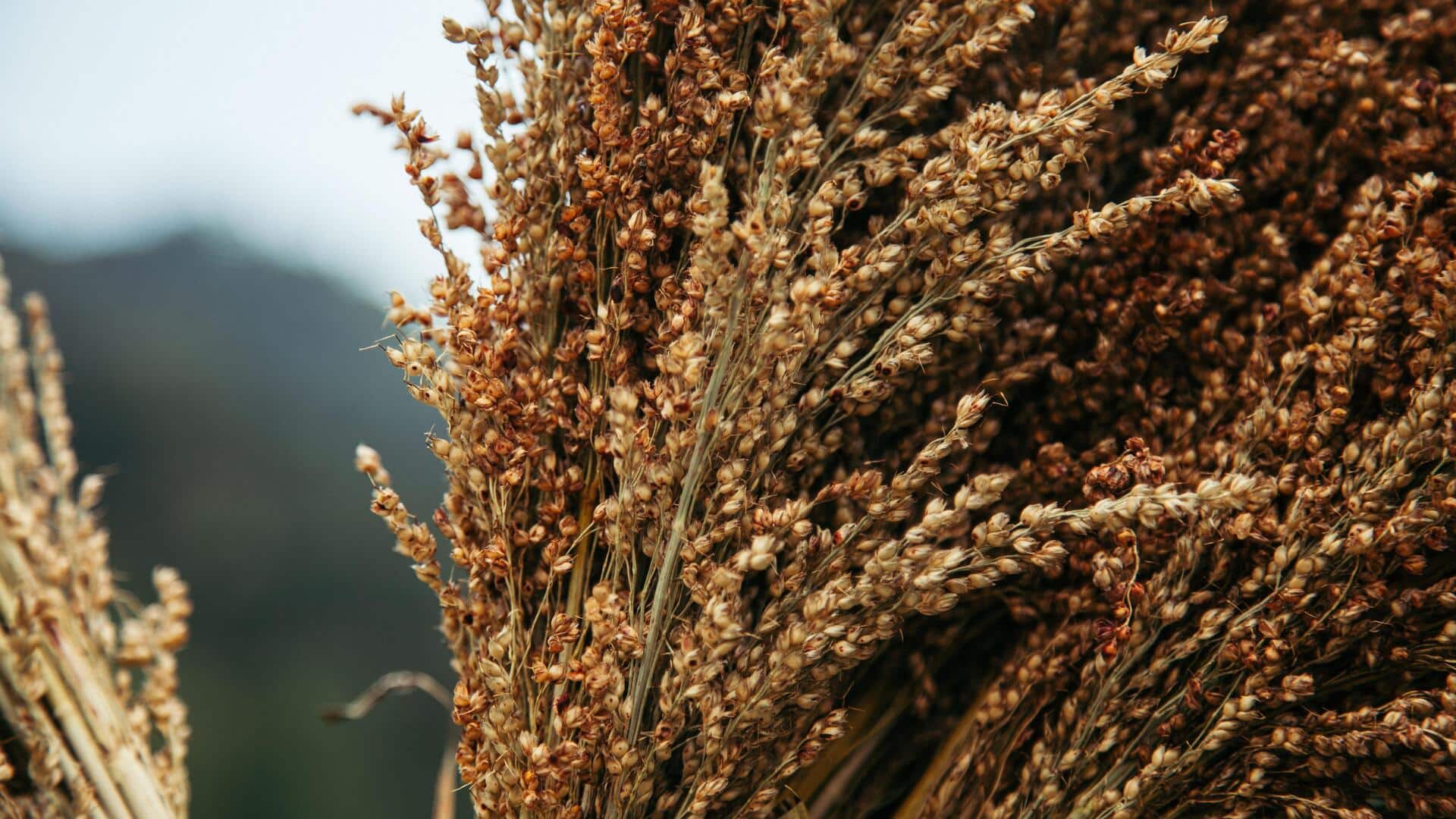
Millet is another versatile grain that has been grown in Asia and Africa for thousands of years. It is rich in magnesium, phosphorus, manganese, copper, and B vitamins, which help maintain energy levels throughout the day. Millet can be used as a rice substitute or added to baked goods like bread or muffins for added texture.
Tip 5
Teff: The Ethiopian staple
Teff, an Ethiopian staple, is known for its tiny size but high nutritional value. It is packed with protein, fiber, calcium, vitamin C, and iron. Teff flour is commonly used to make injera, a traditional Ethiopian flatbread. This gluten-free grain is ideal for those on restrictive diets, making it a perfect addition to healthy, diverse meals.