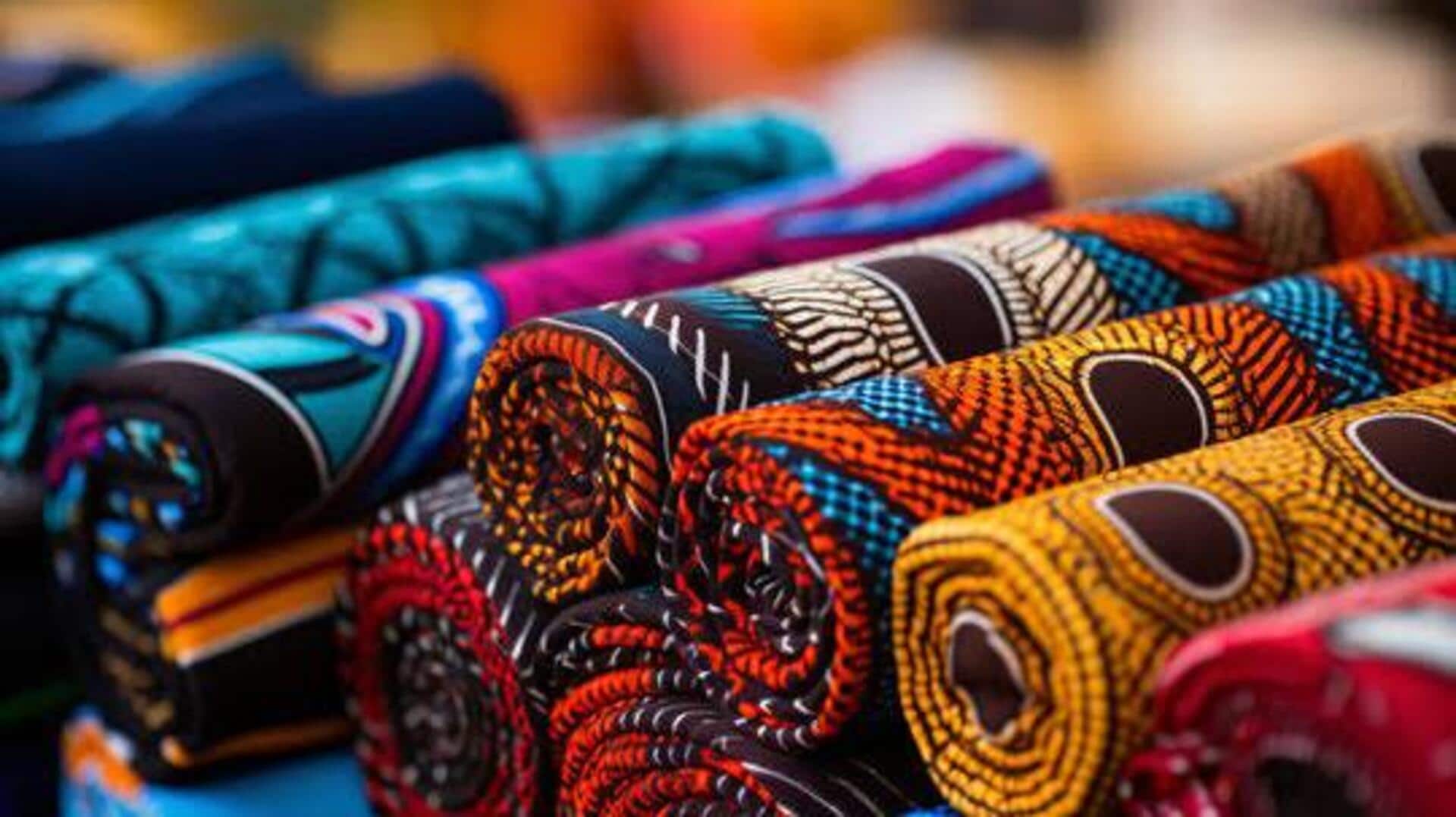
Toghu textiles: A rising trend in modern fashion
What's the story
Toghu textiles, the traditional fabric of the Northwest region of Africa, are making waves in modern fashion. Famous for their vibrant colors and intricate patterns, these textiles are now being used by designers to create unique pieces that blend tradition with contemporary style. The journey of Toghu from cultural significance to fashion staple is a testament to its versatility and timeless appeal.
#1
Historical significance of Toghu
Toghu textiles have a rich history, often associated with royalty and prestige.
Traditionally worn during important ceremonies and events, they symbolize wealth and power.
The patterns on Toghu fabrics often tell stories or represent social status within communities.
This historical significance adds depth to their modern-day use in fashion.
#2
Modern adaptations in fashion
Designers today are reinterpreting Toghu textiles in innovative ways.
By incorporating these traditional patterns into modern silhouettes, they create pieces that appeal to a broader audience.
From dresses to accessories, Toghu is being used in various forms, showcasing its adaptability in contemporary wardrobes.
#3
Economic impact on local communities
The rising popularity of Toghu textiles in fashion has had positive economic implications for local communities that produce them.
As demand grows, artisans get more opportunities to showcase their craftsmanship on a larger scale.
This not only helps preserve traditional techniques but also contributes to the livelihoods of many families.
#4
Environmental considerations
The use of Toghu textiles also raises awareness about sustainable practices in the fashion industry.
Many artisans use eco-friendly methods when producing these fabrics, minimizing environmental impact.
By promoting sustainable fashion choices, Toghu contributes to the global conversation about reducing waste and supporting ethical production processes.