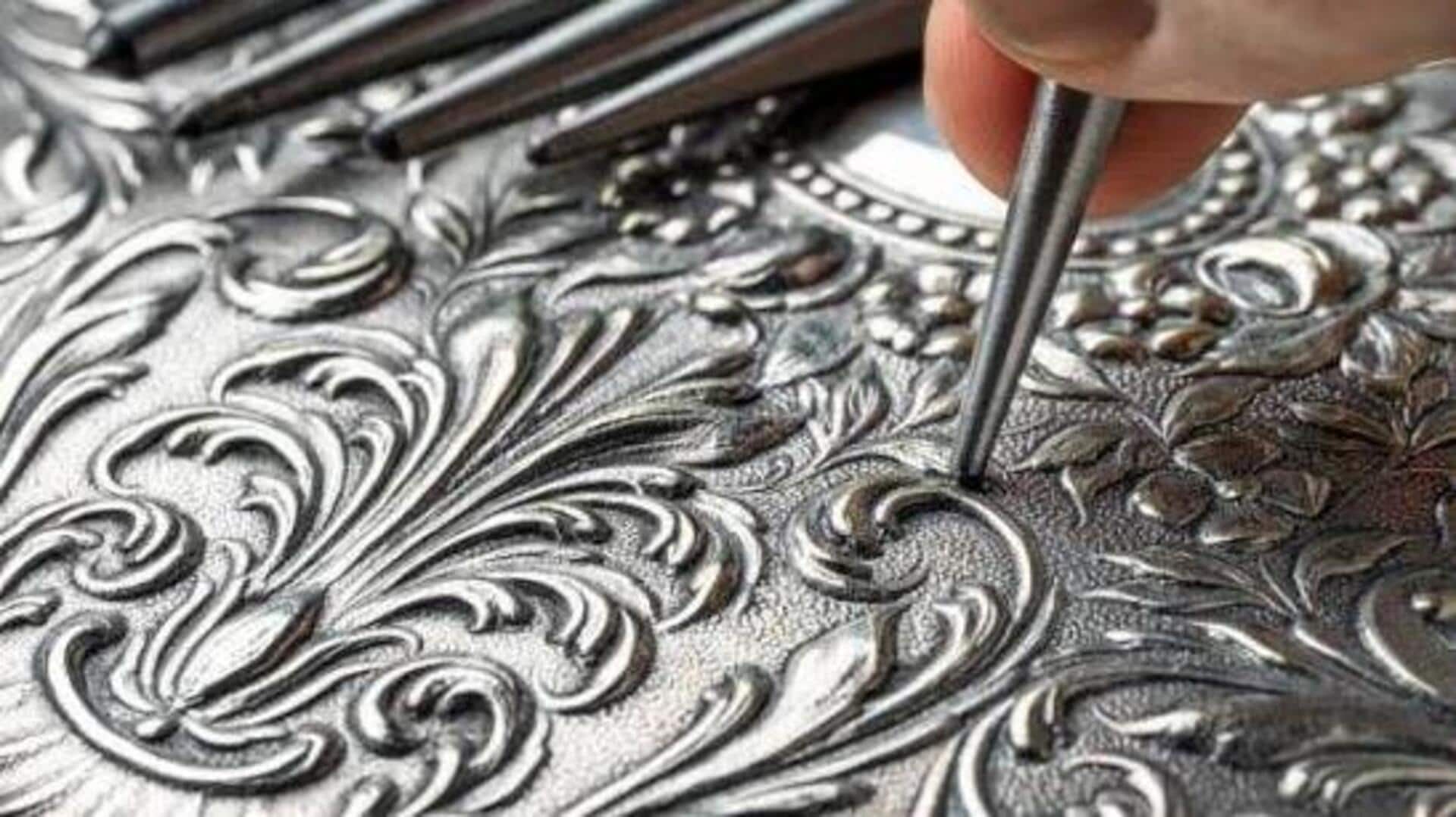
Tuareg metalwork: A traditional art form from the Sahara
What's the story
Tuareg metalwork is a unique African art form, which is famous for its intricate designs and cultural significance. The Tuareg people, a nomadic group from the Sahara Desert, have been creating these metalworks for centuries. The pieces are not only functional but also hold deep cultural and historical meaning. Today, the art form is being explored and appreciated globally for its beauty and craftsmanship.
#1
Historical significance of Tuareg metalwork
Historically, Tuareg metalwork has served practical purposes such as tools and jewelry. However, these items also reflect the social status and identity of their owners.
The designs often feature geometric patterns and symbols that hold cultural significance for the Tuareg people.
This tradition has been passed down through generations, preserving the unique artistic style of the community.
#2
Techniques used in Tuareg metalwork
The techniques employed in Tuareg metalwork are passed down through generations.
Artisans use simple tools to craft intricate designs on metals like silver and copper.
The process requires great skill and patience, as each piece is meticulously crafted by hand.
This traditional method ensures that every item is unique, while maintaining the characteristic style of Tuareg art.
#3
Modern adaptations of traditional designs
In recent years, there has been a growing interest in modern adaptations of traditional Tuareg designs.
Contemporary artists are incorporating these patterns into new forms, such as fashion accessories and home decor items.
This adaptation allows for the preservation of cultural heritage while making it accessible to a wider audience who appreciates its aesthetic appeal.
#4
Economic impact on local communities
The demand for Tuareg metalwork has also impacted local economies positively by providing artisans with a source of income.
By selling their creations at markets or online platforms, they can reach customers worldwide who value authentic craftsmanship.
This economic opportunity helps sustain traditional practices within communities where these skills are an integral part of cultural identity.