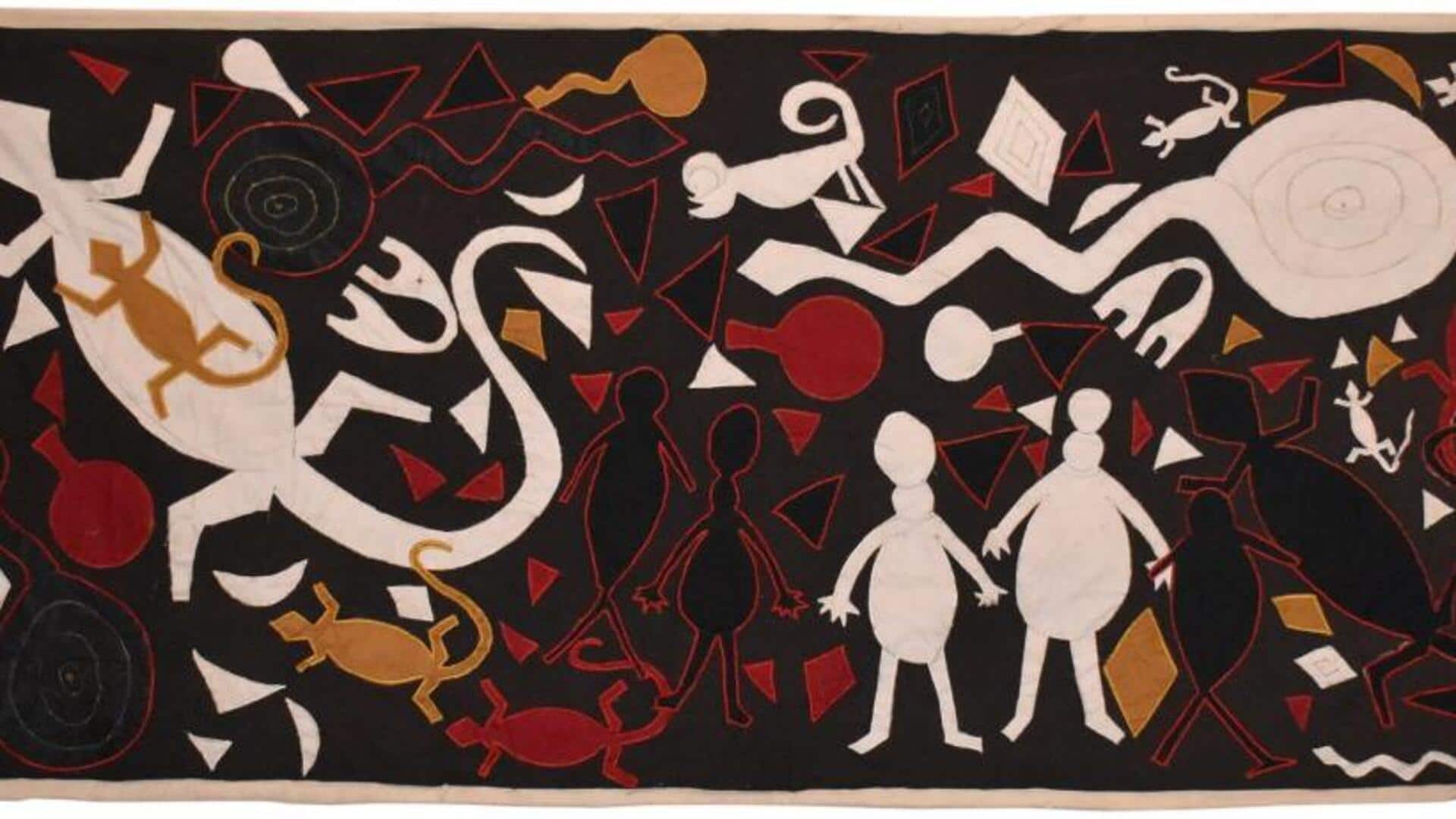
Uli art: What makes it so unique
What's the story
Uli art, a traditional form of body and wall painting from West Africa, is now being combined with contemporary design to create unique pieces. The fusion of these two styles results in innovative creations that respect cultural heritage while appealing to modern aesthetics. The combination of uli art's intricate patterns, contemporary design's clean lines, and functionality results in visually stunning and culturally rich pieces.
#1
The essence of uli art
Uli art is characterized by its bold lines and geometric patterns. Traditionally, it was used for ceremonial purposes and personal adornment.
The designs often depict nature, spirituality, and community life. In contemporary design, these elements are adapted to create visually striking pieces that resonate with a wider audience.
The essence of uli art remains intact while being reimagined for modern contexts.
#2
Modern interpretations in fashion
Fashion designers are increasingly incorporating uli art into their collections.
The patterns lend themselves beautifully to textiles, creating garments that are both stylish and culturally significant.
From dresses to accessories, the influence of uli art can be seen in various forms of clothing.
This trend not only highlights the beauty of traditional African art but also promotes cultural appreciation through fashion.
#3
Interior design influences
In interior design, uli art has found its way into home decor items such as wall hangings, cushions, and even furniture designs.
The bold patterns add an element of texture and interest to spaces without overwhelming them.
By integrating these designs into interiors, homeowners can enjoy a touch of cultural heritage while maintaining a modern aesthetic.
#4
The impact on visual arts
Visual artists are also exploring the potential of uli art in their work by blending it with contemporary techniques like digital illustration or mixed media approaches.
This results in dynamic pieces that challenge traditional boundaries between fine arts and cultural expressionism.
As artists continue experimenting with this fusion, new possibilities emerge for both artistic innovation and cultural dialogue.