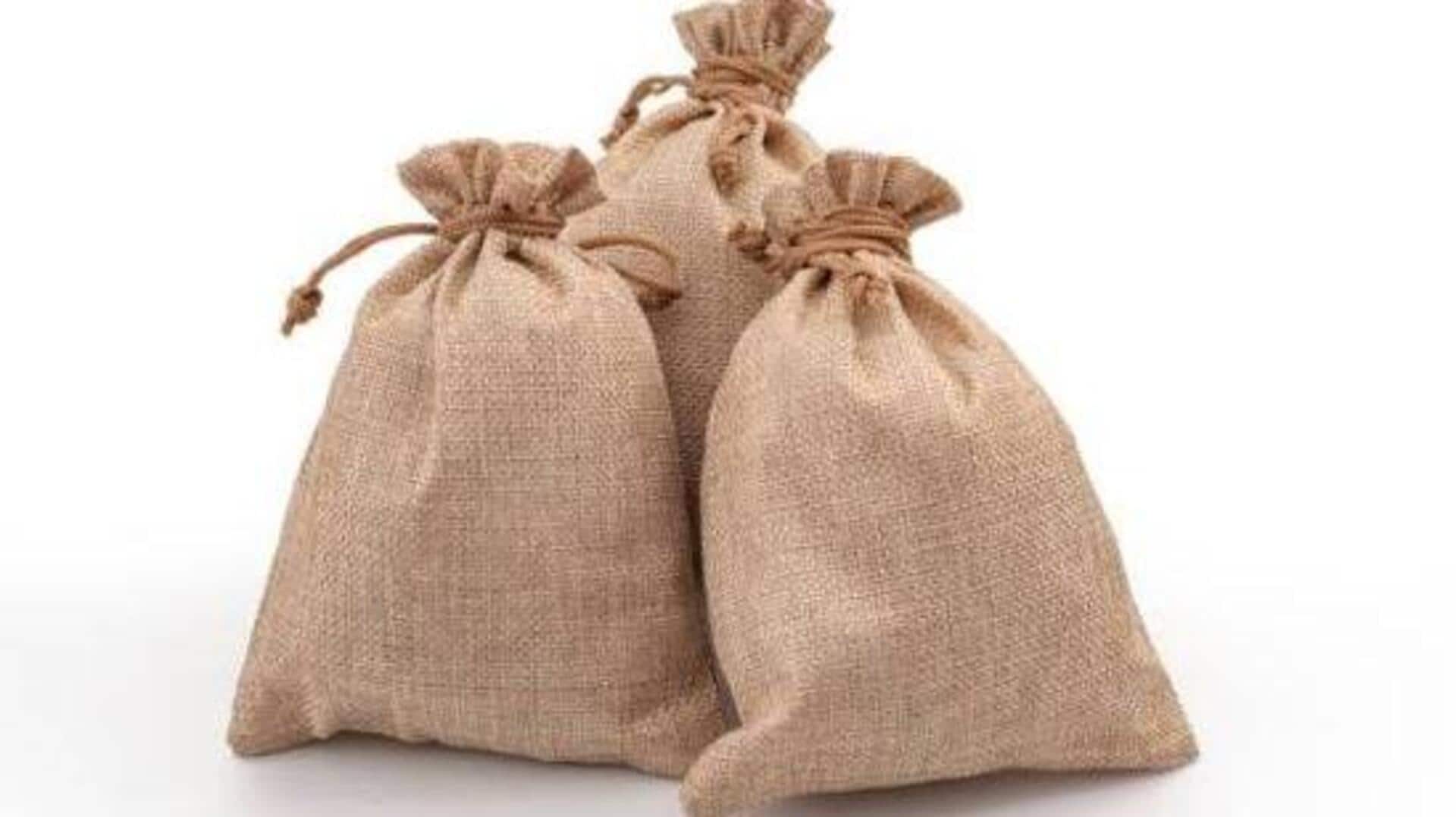
How artists are turning old sacks into artwork
What's the story
African textile art is famous for its vibrant colors and intricate patterns. Now, artists are finding a new canvas in discarded coffee sacks, giving them a second life as unique art pieces. This eco-friendly approach not only reduces waste but also supports sustainable practices in the art community. By transforming these burlap sacks into works of art, creators can showcase cultural heritage while promoting environmental consciousness.
#1
Transforming waste into art
Discarded coffee sacks are usually thrown away after their initial use. However, many artists have begun using them as a base for their textile art.
The sturdy nature of the burlap makes it an ideal canvas for painting and embroidery.
By repurposing these materials, artists can create one-of-a-kind pieces that highlight traditional African motifs and techniques.
#2
Supporting sustainable practices
Using recycled materials in art supports sustainability by reducing the demand for new resources.
Artists who use coffee sacks contribute to a circular economy, where materials are reused instead of discarded.
This practice not only helps the environment but also raises awareness about waste management issues within the community.
#3
Showcasing cultural heritage
African textile art is deeply rooted in cultural traditions and storytelling.
By using coffee sacks as a medium, artists can incorporate traditional patterns and symbols into their work.
This not only preserves cultural heritage but also allows for innovation within the genre, as new techniques are developed through experimentation with these unconventional materials.
#4
Economic benefits of upcycling
Upcycling coffee sacks into textile art can also provide economic benefits for artists.
By creating unique pieces that stand out in the market, they can attract buyers interested in sustainable and culturally significant artwork.
This approach not only supports individual artists financially but also contributes to local economies by promoting handmade goods over mass-produced alternatives.