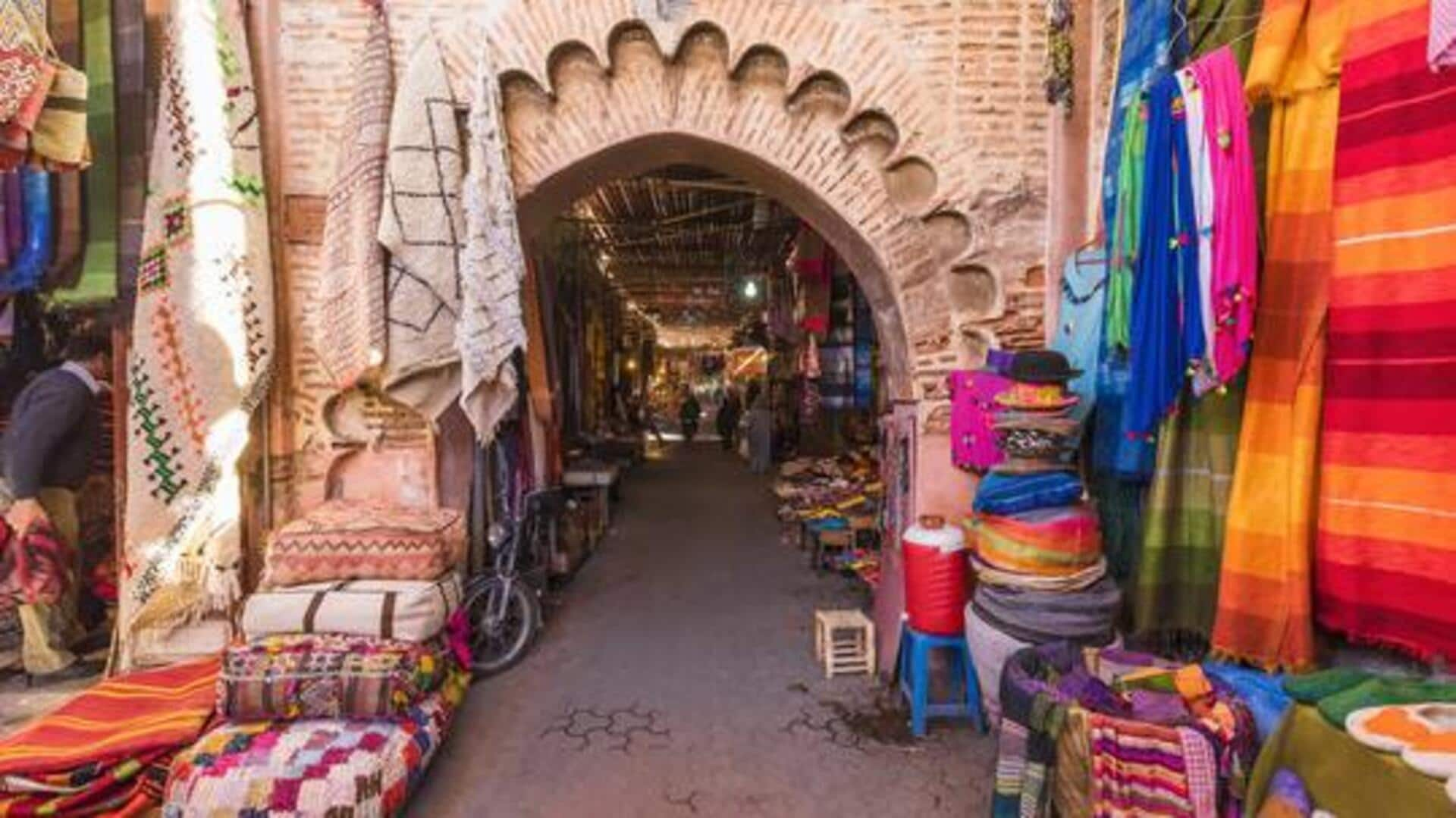
Visiting an African market? Here's what to know
What's the story
African markets are colorful, lively, and a peek into the continent's rich culture and traditions. These markets are not just shopping destinations, but also community hubs where locals meet, trade, and share stories. For those visiting or wanting to know more about these markets, here are some insights into their significance, diversity, and the experiences they offer.
#1
Understanding market dynamics
African markets are characterized by a unique dynamic that combines barter and cash transactions.
Vendors often display their goods on the ground or in makeshift stalls, creating a vibrant tapestry of products ranging from fresh produce to handmade crafts.
Negotiation is a common practice, with prices frequently being flexible rather than fixed.
This dynamic fosters a lively atmosphere where haggling is seen as part of the shopping experience.
#2
Cultural significance of markets
Beyond commerce, African markets serve as cultural epicenters. They are places where traditions are preserved and passed on through generations.
You can find traditional clothing, jewelry, and art that reflect the region's heritage.
These markets also host cultural events such as music performances or dance shows that draw locals and tourists alike.
#3
Tips for navigating safely
Navigating an African market requires awareness and caution to ensure safety.
It's best to keep valuables hidden to avoid attracting unwanted attention.
Staying alert in crowded areas can help avoid pickpocketing incidents.
Bargaining respectfully not only gets you a fair price but also builds rapport with vendors, enhancing your shopping experience.
#4
Embracing local cuisine
African markets are also a great place to sample local cuisine.
Street food stalls serve up delicious snacks like fried plantains or grilled maize cobs at affordable prices.
Eating at these stalls gives you an authentic taste of regional flavors while supporting local vendors who rely on market sales for their livelihoods.