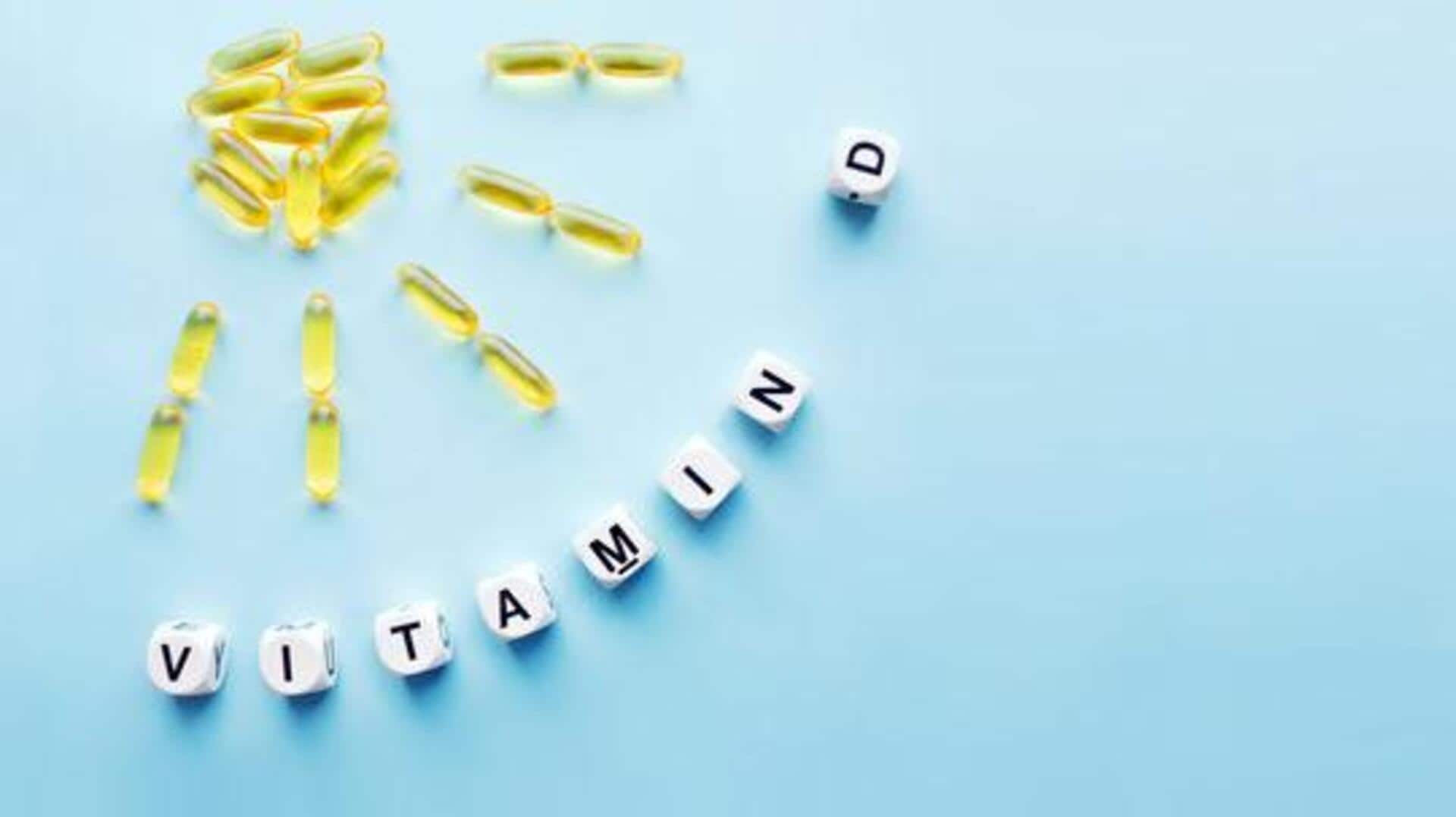
Busting all myths about Vitamin D
What's the story
Vitamin D is crucial for our health, but there are a lot of myths surrounding it. These myths can lead to misconceptions about how we can get vitamin D and its effects on our health. Knowing the facts can help you make informed decisions about your diet and lifestyle. Here, we debunk some common myths about vitamin D and provide insights into its real benefits and sources.
#1
Myth: Sun exposure is the only source
Many believe that sun exposure is the only way to get vitamin D.
While sunlight does help the body produce vitamin D, it isn't the only source.
Foods such as fatty fish and fortified dairy products also provide this essential nutrient.
For those living in areas with limited sunlight, these dietary sources become even more important.
#2
Myth: More vitamin D is always better
Some think that taking high doses of vitamin D will automatically improve health or boost immunity.
However, excessive intake can lead to toxicity, causing symptoms like nausea and weakness.
It's important to stick to recommended daily allowances unless advised otherwise by a healthcare professional.
Balance is key; too little or too much can have adverse effects.
#3
Myth: Vitamin D only supports bone health
While vitamin D is widely recognized for its role in maintaining bone health by aiding calcium absorption, its benefits extend far beyond skeletal support.
This nutrient plays a crucial role in immune function, potentially reducing the risk of certain autoimmune diseases.
Furthermore, emerging research suggests that adequate levels of vitamin D may contribute to improved mood regulation and a lower risk of depression.
#4
Myth: Dark skin needs more sunlight
There's a common belief that people with darker skin tones require more sun exposure to produce adequate amounts of vitamin D compared to those with lighter skin tones.
While melanin does reduce the efficiency of vitamin D synthesis from sunlight, it doesn't mean darker-skinned individuals need significantly more sun exposure.
They should still focus on balanced diets rich in vitamin D or consider supplements if necessary.
#5
Myth: Only older adults need supplements
Another misconception is that only older adults need vitamin D supplements due to aging-related deficiencies.
However, people of all ages may require supplements based on factors like geographic location, lifestyle choices (e.g., indoor living), or dietary restrictions (e.g., veganism).
Consulting with a healthcare provider can help determine individual needs for supplementation across different life stages.