Where to try volcano boarding in East Africa
What's the story
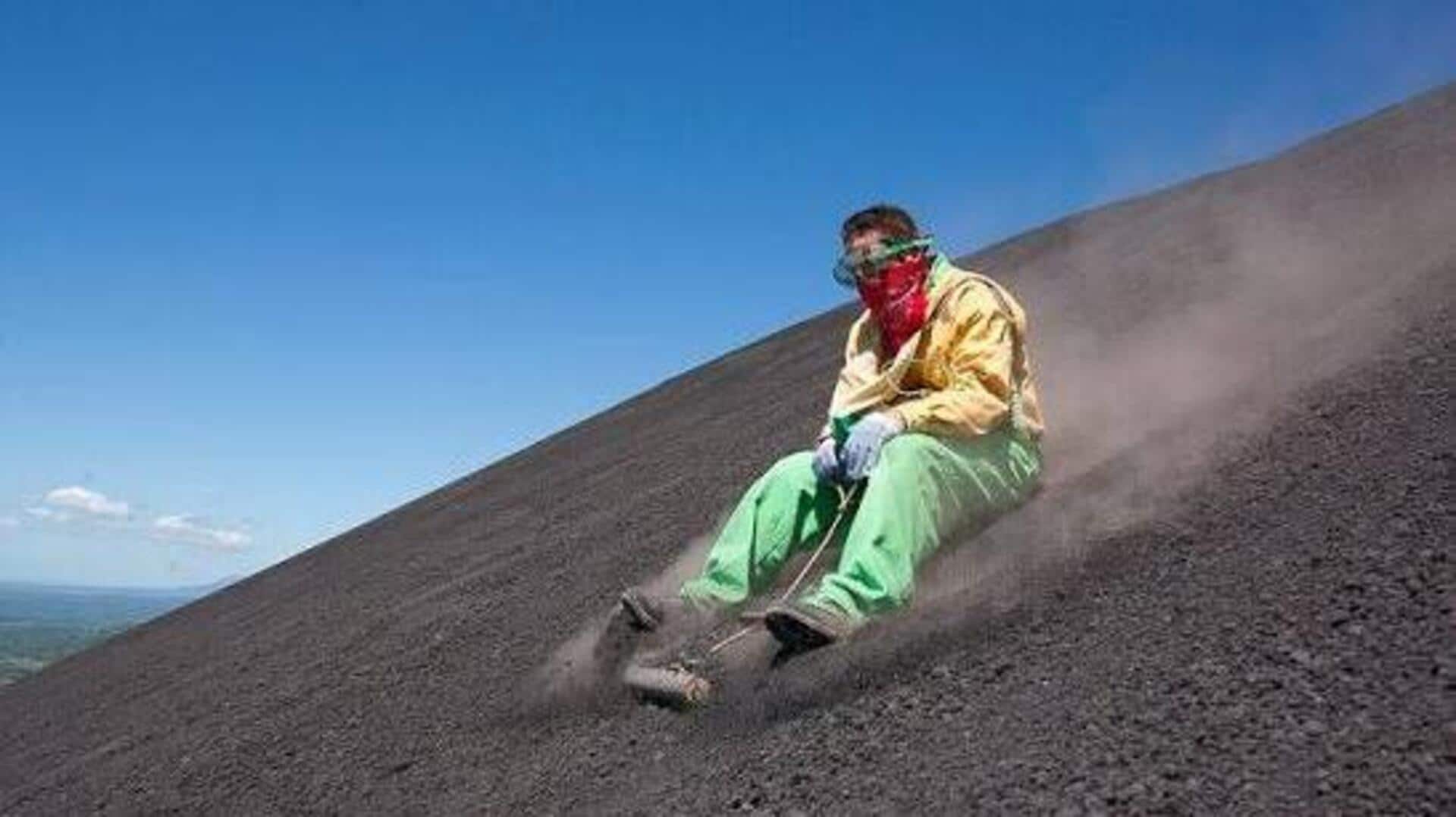
Volcano boarding is one of the most thrilling ways to explore East Africa's highlands. The activity combines adventure and stunning landscapes, making it a unique experience for thrill-seekers. Participants slide down volcanic slopes on specially designed boards, enjoying breathtaking views and an adrenaline rush. The highlands offer diverse terrains and challenging routes, attracting adventurers from across the globe. Here's what you need to know about this exciting activity.
#1
Choosing the right volcano
Selecting the right volcano is key to an exhilarating boarding experience.
Mount Nyiragongo in the Democratic Republic of Congo is famous for its active lava lake and steep slopes.
Mount Meru in Tanzania offers a more moderate challenge with its picturesque trails.
Each volcano has its own set of challenges and views, making it important to pick one that matches your skill level and preferences.
#2
Essential gear for safety
Safety should always be your top priority when going for a volcano boarding adventure.
A helmet is a must to protect your head from any falls or obstacles on the slope.
Protective clothing, like long sleeves and pants, can keep you safe from abrasions.
Sturdy shoes with good grip are essential for maintaining balance while climbing up the volcano.
Make sure all gear fits well before setting out.
#3
Understanding local weather conditions
Weather conditions can make or break your volcano boarding experience in East Africa's highlands.
The dry season, which usually lasts from June to September, is the best time for this adventure, as the trails are less muddy and easier to navigate.
However, it is important to check daily forecasts, as unexpected weather changes can occur even in dry months.
Tip 1
Tips for first-time boarders
For first-time boarders, starting with less steep slopes can help build confidence before tackling tougher routes.
Practicing balance on flat ground helps develop skills needed during descent.
Listening carefully during safety briefings ensures understanding of potential hazards involved in this activity.
Staying hydrated throughout the journey keeps energy levels up, making sure you have a fun and safe experience.