
Seating arrangements at weddings: Customs from around the world
What's the story
Seating arrangements at weddings are more than just a matter of comfort; they are steeped in cultural traditions that dictate how guests are seated. These customs vary from one culture to another, each with its own significance and meaning. Knowing these traditions can give you an insight into the values and beliefs of different societies. Here are five unique wedding seating traditions from around the world.
#1
The head table tradition
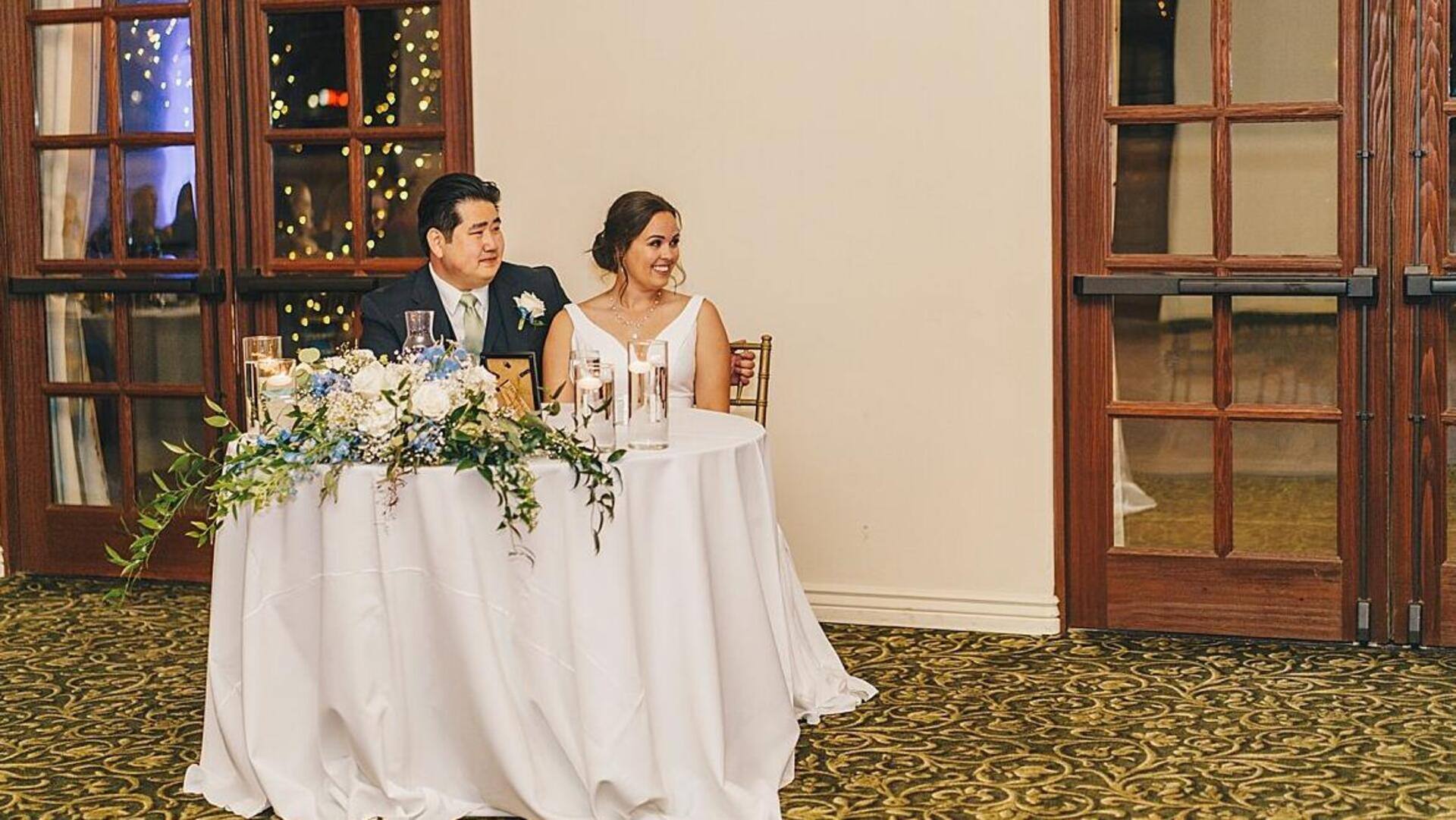
In many Western weddings, the head table is a focal point where the bride, groom, and their closest family members sit. This tradition symbolizes the importance of the couple's relationship and their families' support. The head table is often centrally located, allowing guests to easily see and hear speeches and toasts. This arrangement highlights the couple's central role in the celebration.
#2
Separate seating for men and women
In some Middle Eastern cultures, it is customary to have separate seating for men and women at weddings. This tradition stems from cultural norms regarding gender interactions in public spaces. By segregating guests by gender, these weddings ensure adherence to cultural expectations, while still allowing everyone to enjoy the festivities.
#3
Family-centric seating arrangements
In certain Asian cultures, family-centric seating arrangements are common, where extended families sit together based on hierarchy or age. Elders usually get the best seats as a mark of respect and to keep harmony in family dynamics. This arrangement not only encourages family bonding but also pays tribute to age-old customs that value familial relationships above all.
#4
Assigned seats based on social status
In some cultures, social status plays a significant role in determining seating arrangements at weddings. Guests are seated according to their social standing or profession, with higher-status individuals getting more prominent seats. This tradition reflects societal structures where status differences are acknowledged even during celebrations.
#5
The bride's side vs groom's side
In many Western cultures, there's a clear distinction between the bride's side and groom's side during wedding receptions. Guests sit according to which side they are closer to or related to by family ties or friendship bonds. This tradition makes it easier for guests to connect with people they already know, while also honoring both sides equally during the event.