How African stone sculpting inspires modern artists
What's the story
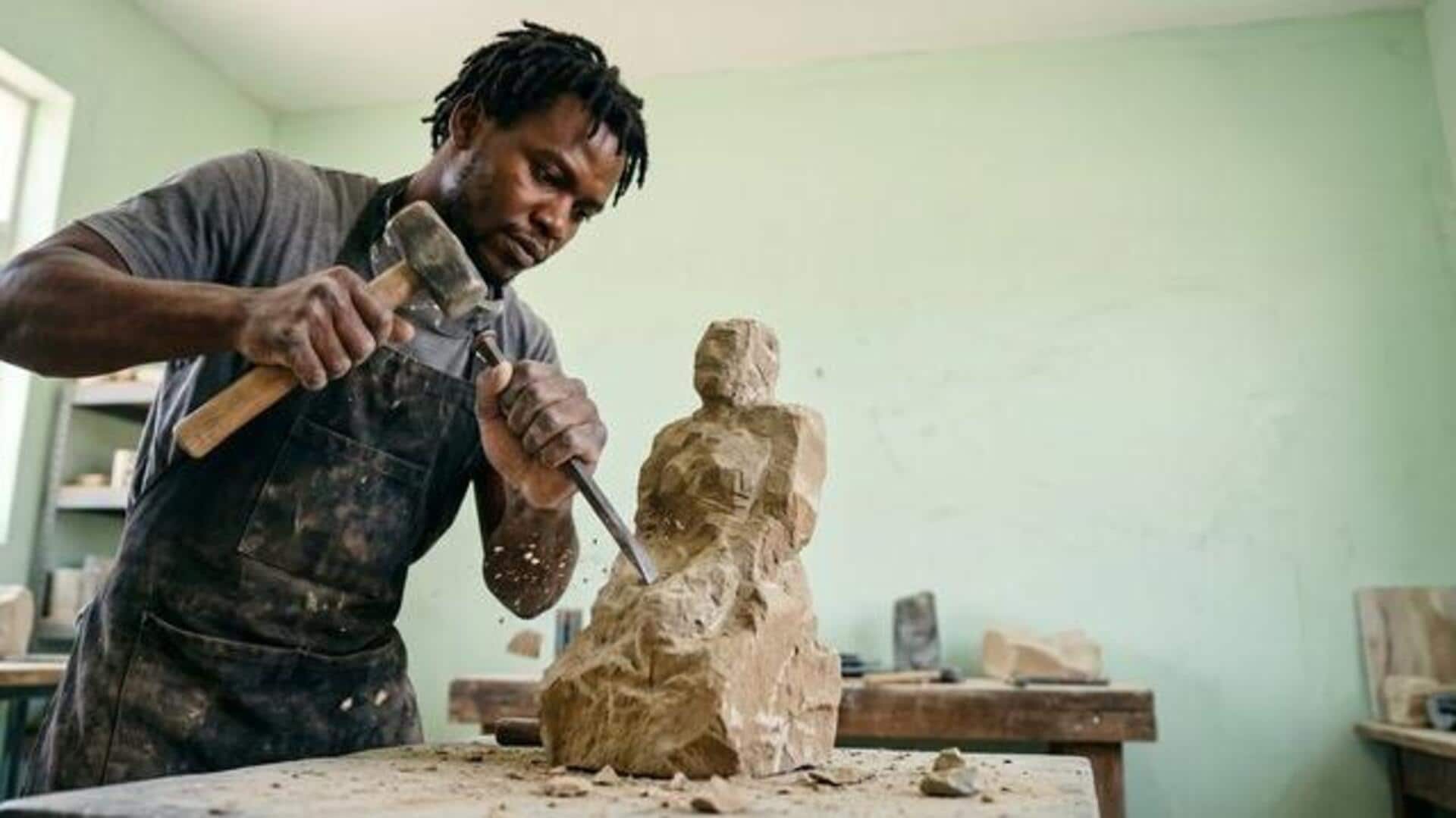
African stone sculpting is a traditional art form that has been practiced for centuries. It involves carving stone to create intricate sculptures that reflect cultural and historical significance. In recent years, this ancient craft has been blended with modern artistic techniques, resulting in a unique fusion of traditional and contemporary art. This article explores how African stone sculpting is evolving, and adapting to modern artistic trends.
#1
Blending tradition with modernity
African stone sculpting has always been rooted in tradition, but artists are now incorporating modern techniques into their work. This blend allows for innovative designs while maintaining cultural integrity. Artists experiment with different tools and methods, creating pieces that appeal to both traditionalists and contemporary art enthusiasts. The result is a dynamic art form that honors its roots while embracing the future.
#2
Influence of global art trends
Global art trends have also impacted African stone sculpting. Artists are inspired by international movements, such as abstract expressionism and minimalism, leading to new interpretations of their work. These influences encourage artists to push boundaries and explore new possibilities within their craft. As a result, African stone sculptures are increasingly recognized on the global stage for their unique blend of cultural heritage and modern aesthetics.
#3
Economic impact on local communities
The fusion of African stone sculpting with modern artistry has also had a positive economic impact on local communities. By attracting tourists and collectors interested in these unique pieces, artists can generate income that supports local economies. Workshops and exhibitions showcasing this art form provide opportunities for skill development and economic growth within communities.
#4
Preservation of cultural heritage
While embracing modernity, African stone sculptors remain committed to preserving cultural heritage through their work. Many artists focus on themes that reflect historical narratives or social issues relevant to their communities. This dedication ensures that traditional stories continue to be told through sculpture, even as new techniques are employed in the creative process.