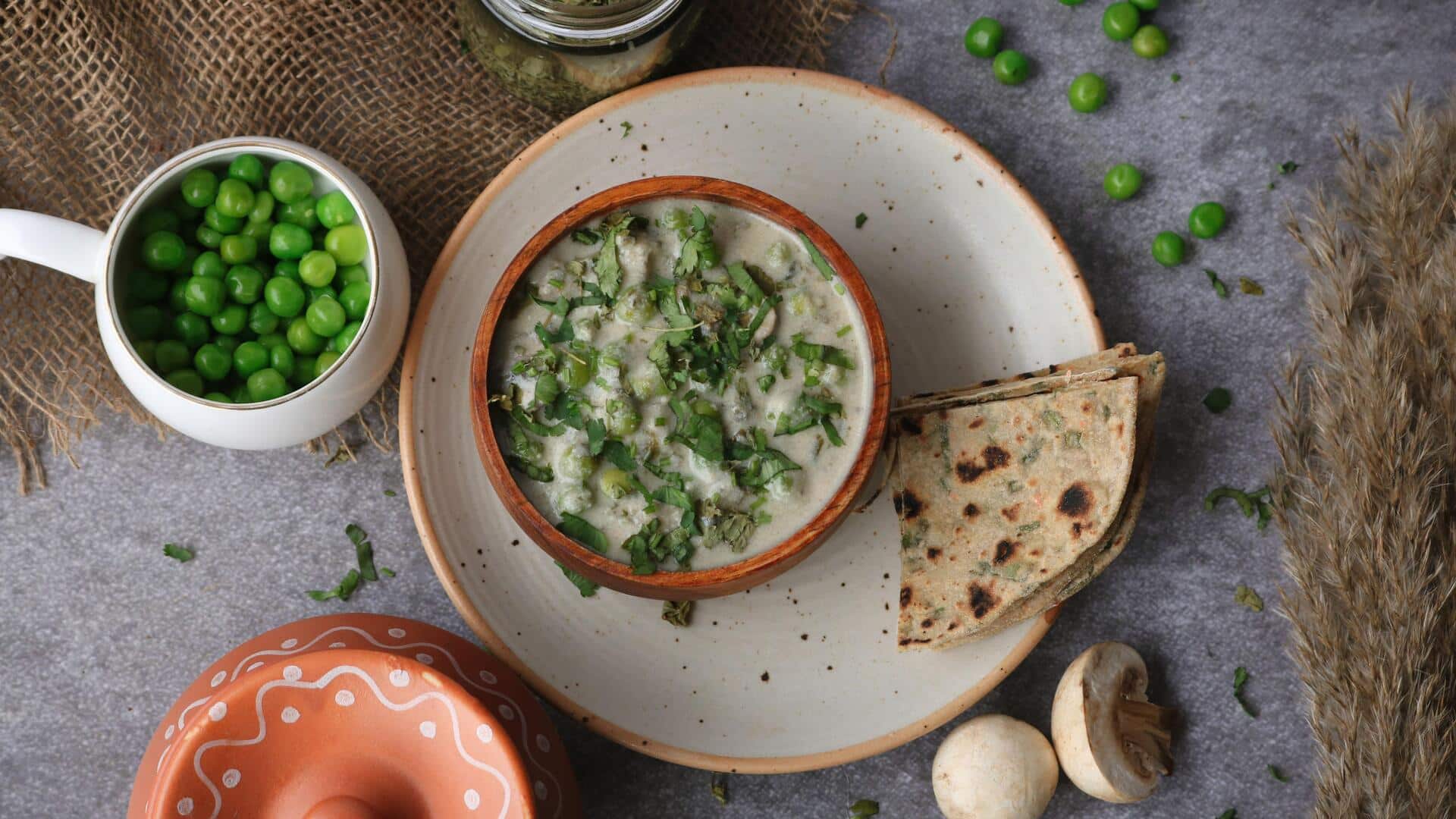
Jowar bhakri: The gluten-free staple India still loves
What's the story
Jowar bhakri, a traditional flatbread made from sorghum, has been a staple in many Indian households for centuries. Known for its nutritional benefits and versatility, this humble bread has stood the test of time in the ever-changing culinary landscape. Its resilience can be attributed to its adaptability and the growing appreciation for healthy, gluten-free options. Here's how jowar bhakri has remained relevant over the years.
#1
Nutritional benefits keep it relevant
Jowar bhakri is loaded with essential nutrients such as iron, calcium, and fiber.
These nutrients are important for maintaining good health and well-being.
The high fiber content helps in digestion and keeps blood sugar levels stable.
As more people turn to healthy eating habits, the demand for jowar bhakri has increased due to its health benefits.
#2
Versatility in cooking
One of the reasons jowar bhakri has survived is its versatility in cooking.
It goes well with a variety of dishes, be it vegetables or lentils or even curd.
This adaptability makes it an ideal choice for different cuisines and palates.
People can easily incorporate it into their meals without compromising on taste or nutrition.
#3
Rising popularity of gluten-free options
With the growing awareness of gluten intolerance and celiac disease, gluten-free foods are in demand.
Jowar bhakri makes an excellent substitute for wheat-based breads as it is naturally gluten-free.
Its popularity has risen among those looking for alternatives to wheat products while still enjoying traditional Indian breads.
#4
Economic factors influencing consumption
Economic factors also play a role in the consumption of jowar bhakri.
As it is cheaper than other grains like rice or wheat, it makes for an economical option for many households across India.
The affordability coupled with its nutritional value makes it a preferred choice among budget-conscious consumers looking for healthy food options without breaking the bank.