How and why to add shea nuts to your diet
What's the story
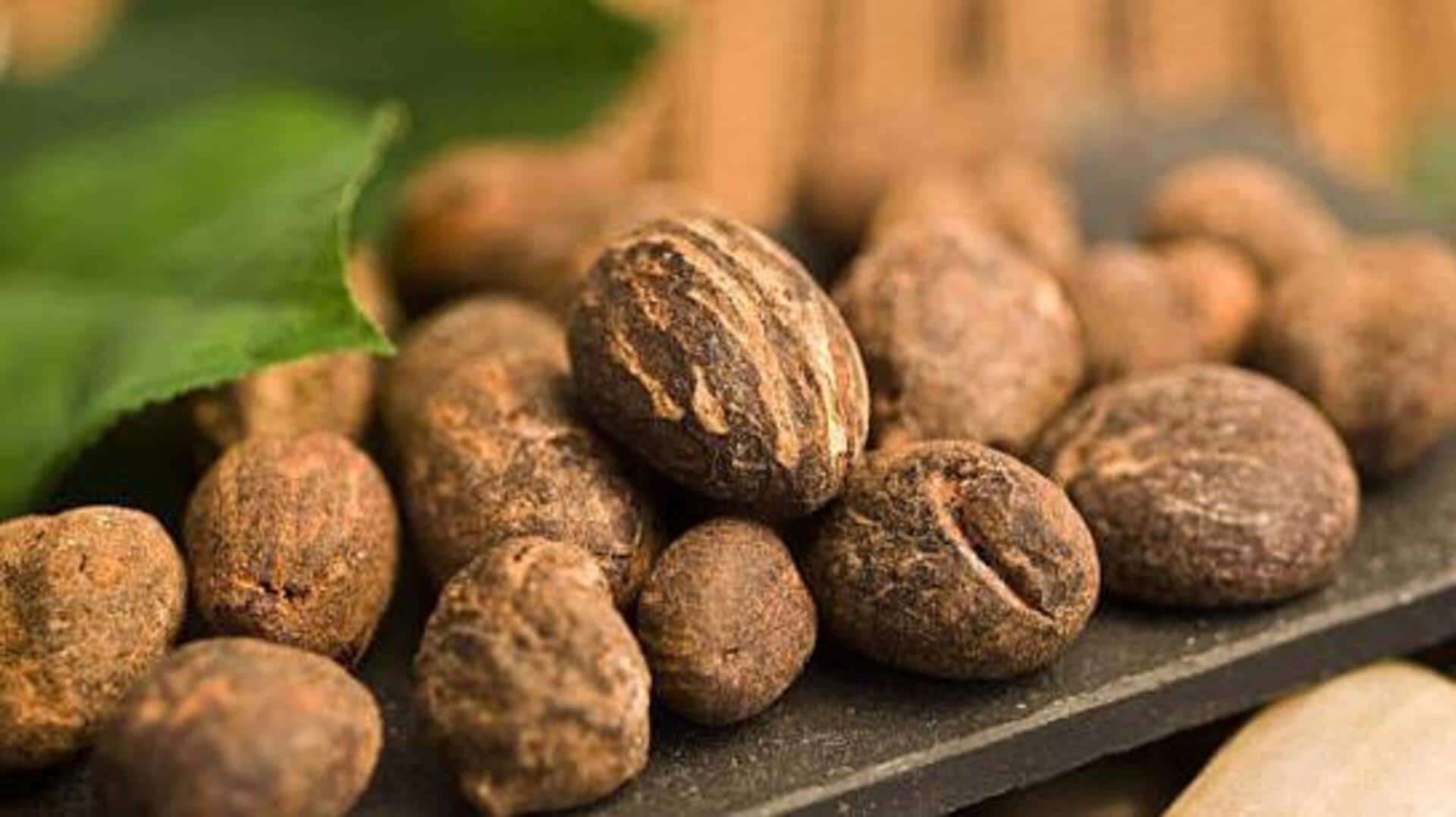
Shea nuts have been a staple in African diets for centuries, thanks to their nutritional benefits. Extracted from the seeds of the shea tree, these nuts are packed with essential nutrients. They are not just a source of energy but also provide vital fatty acids and vitamins that promote overall health. Adding shea nuts to your diet can be an easy way to boost nutrition.
#1
Nutritional profile of shea nuts
Shea nuts are rich in healthy fats, particularly oleic and stearic acids.
These fats are essential for heart health, as they help reduce bad cholesterol levels.
Shea nuts also contain vitamins A and E, which are important for skin health and immune function.
The presence of these nutrients makes shea nuts a valuable addition to a balanced diet.
#2
Health benefits of shea nuts
The consumption of shea nuts may offer several health benefits.
The antioxidants present in them help protect cells from damage by free radicals.
The anti-inflammatory properties of shea nuts can help reduce inflammation in the body, possibly aiding in the management of chronic conditions, like arthritis.
Regular consumption may also improve digestion due to their fiber content.
#3
Ways to incorporate shea nuts into your diet
Incorporating shea nuts into your diet can be simple and versatile.
You can use them as a snack, or add them to salads for an extra crunch.
They can also be ground into a paste and used as a spread, or mixed into smoothies for added creaminess without altering the flavor significantly.
Tip 1
Tips for buying and storing shea nuts
When buying shea nuts, opt for whole or minimally processed ones to retain maximum nutritional value.
Store them in an airtight container, away from direct sunlight and moisture, to keep them fresh longer.
Proper storage ensures that you retain their natural oils and prevents spoilage over time.