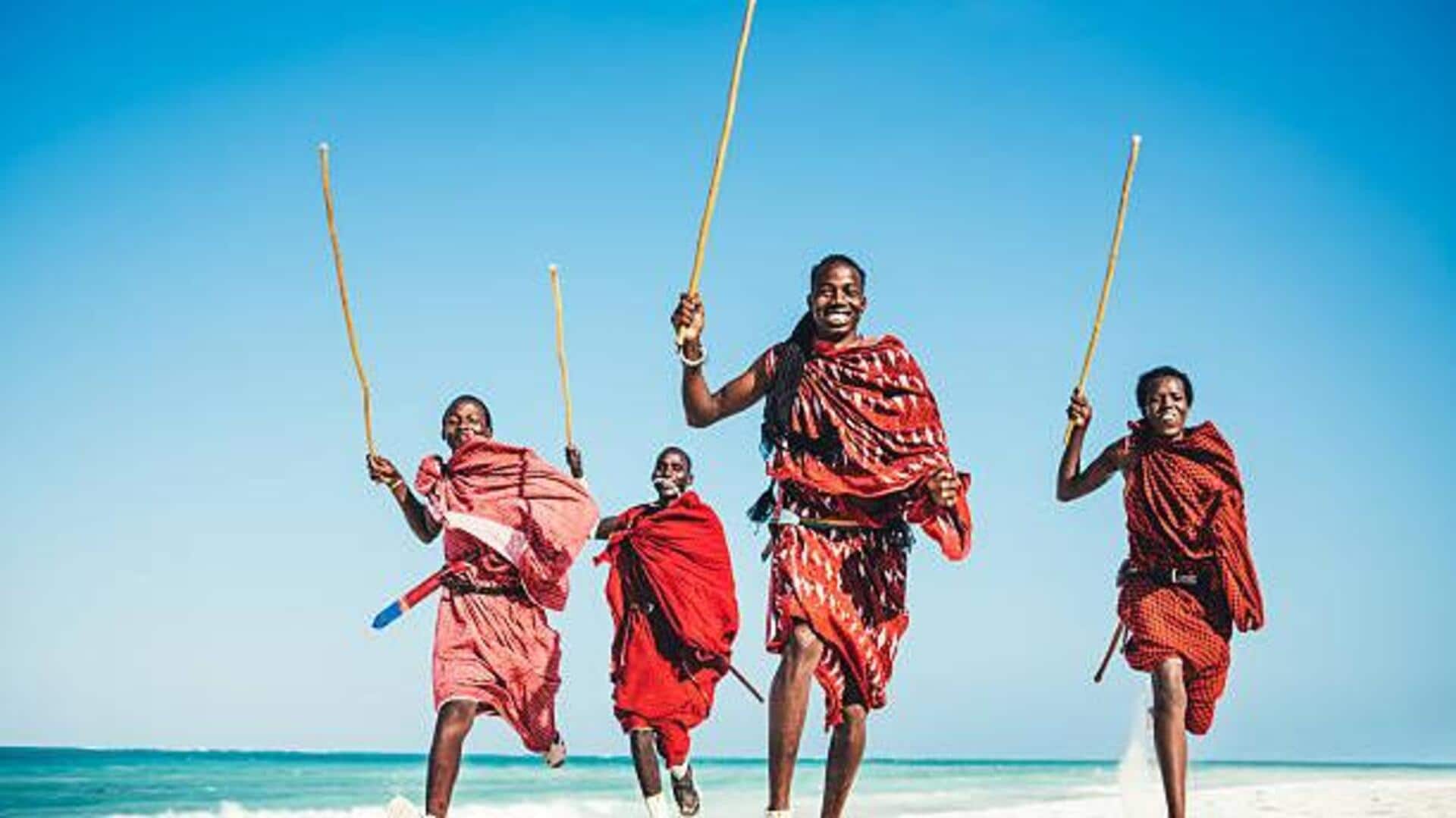
Xhosa stick fighting: A unique martial art tradition
What's the story
Xhosa stick fighting, a traditional African martial art, is a cultural treasure of the Eastern Cape. This unique sport, which combines physical skill with cultural significance, has been practiced for generations. The art involves two participants engaging in a rhythmic battle using sticks, emphasizing agility, strategy, and endurance. It serves not only as a means of self-defense but also as a way to build community bonds and teach discipline.
#1
Historical roots of stick fighting
The roots of Xhosa stick fighting go centuries back. Traditionally, it was used as a rite of passage for young men in Xhosa communities. It was a way to showcase bravery and skill before being accepted as adults. The practice has been passed down through generations, keeping its importance in cultural identity alive.
#2
Techniques and strategies involved
Xhosa stick fighting requires a lot of skill and strategy. Participants use wooden sticks as weapons, taking turns to attack and defend. Agility is key, as fighters must be able to quickly dodge blows while looking for openings to strike back. The technique also involves footwork, timing, and mental focus.
#3
Social significance within communities
Beyond physical combat, Xhosa stick fighting plays an important role in social cohesion within communities. It provides a platform for young men to come together, learn from each other, and develop camaraderie. The sport is also a source of entertainment during community gatherings and festivals.
#4
Modern adaptations of traditional practices
In recent years, there has been a renewed interest in Xhosa stick fighting as part of efforts to preserve cultural heritage. Modern adaptations have included organized competitions that attract participants from different regions. These events celebrate traditional practices while promoting cultural awareness among younger generations.