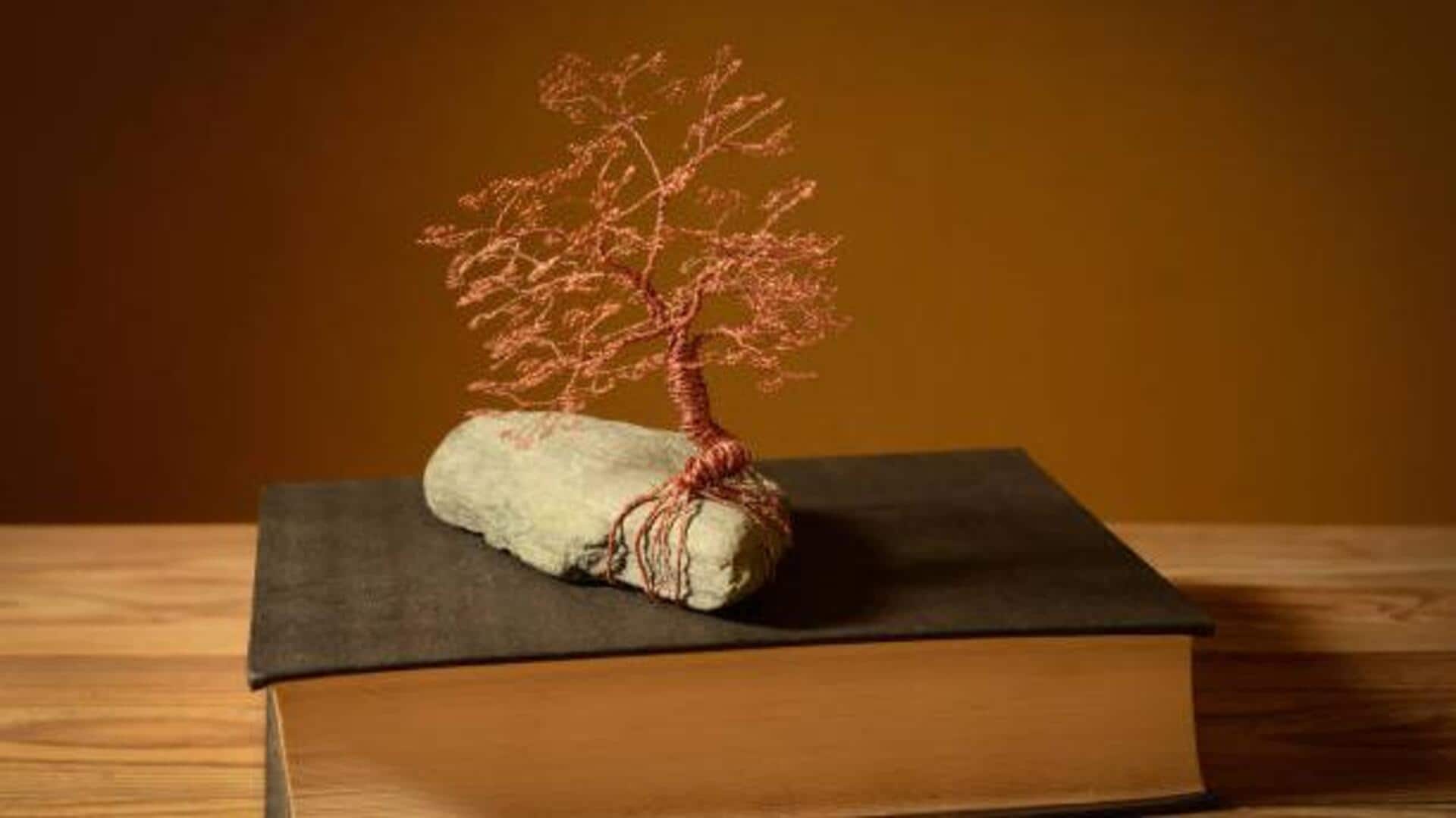
All about Zulu wire art
What's the story
Zulu wire art is an amazing fusion of traditional African craftsmanship and modern design sensibilities. Hailing from South Africa, this unique art form employs colorful wire to create intricate sculptures and decorative pieces. The artisans have been perfecting this craft for generations, and now it has become a global sensation for its vibrant aesthetics and cultural significance. The art form is a testament to the creativity and resilience of the Zulu people.
#1
Historical roots of Zulu wire art
Zulu wire art originated in the 19th century when European colonizers introduced glass beads to Africa. The Zulu people started using these beads to create jewelry and adornments. Over time, the craft evolved with the introduction of metal wires, giving rise to the modern-day Zulu wire art. This evolution reflects the adaptability of traditional crafts in the face of changing materials and influences.
#2
Techniques behind the craft
Creating Zulu wire art requires skillful techniques passed down through generations. Artisans twist, bend, and shape colorful wires into various forms, such as animals, flowers, or abstract designs. The process demands patience and precision, as each piece is meticulously crafted by hand. The use of bright colors adds vibrancy and appeal to the final product.
#3
Cultural significance of Zulu wire art
Zulu wire art is not just a craft, it is a cultural expression that tells stories and traditions of the Zulu people. Each piece can have a symbolic meaning, be it representing a social status or conveying a message in the community. This cultural significance makes Zulu wire art more than just decorative items; they are also valuable cultural artifacts.
#4
Modern adaptations in design
In recent years, Zulu wire art has found its way into modern design contexts beyond traditional settings. Designers incorporate these vibrant creations into home decor, fashion accessories, and even contemporary art installations. This adaptation showcases how traditional crafts can seamlessly blend with modern aesthetics while preserving their cultural essence.