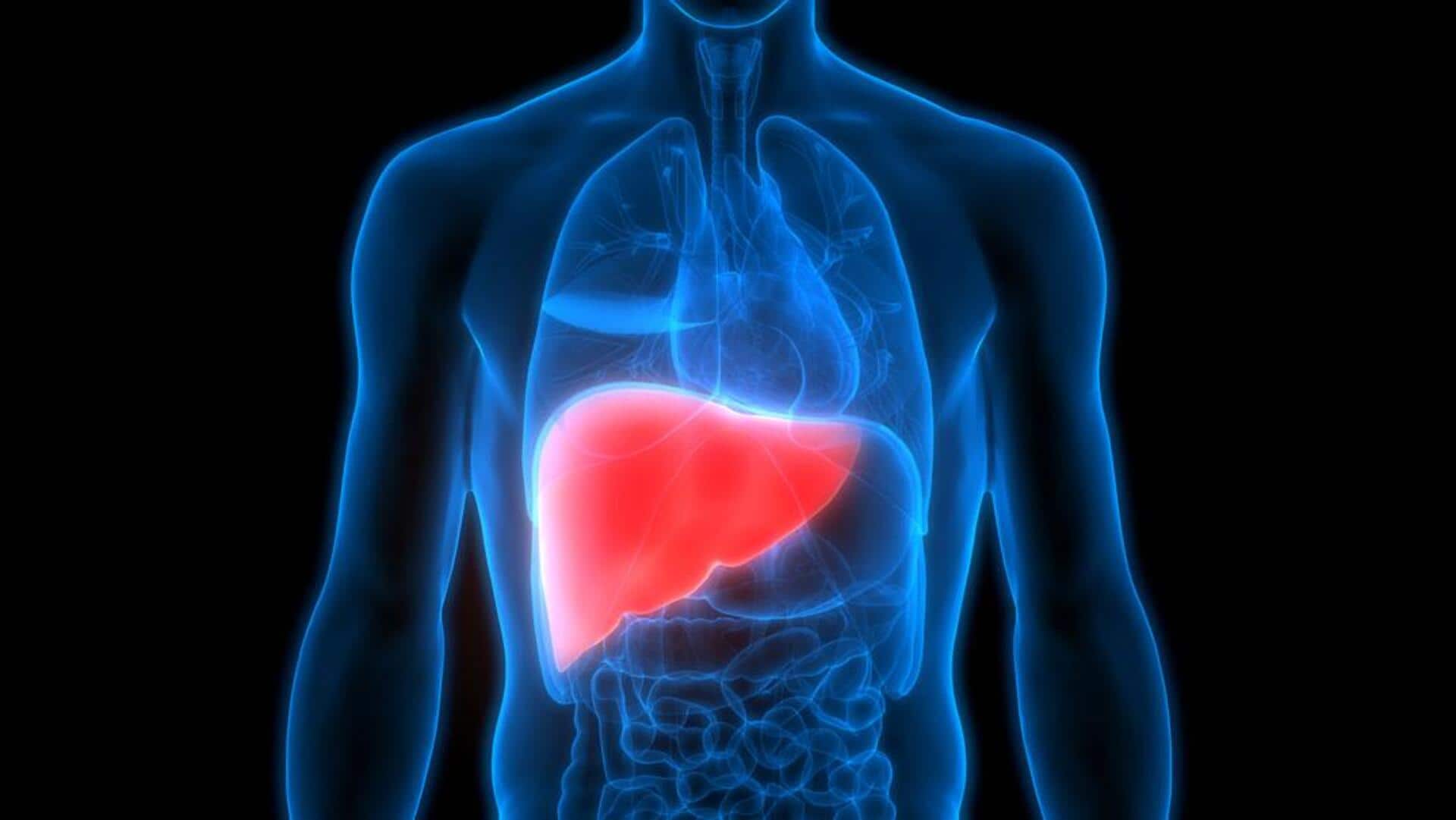
Worrying: Almost 2B people will have liver disease by 2050
What's the story
Metabolic dysfunction-associated steatotic liver disease (MASLD), formerly called non-alcoholic fatty liver disease (NAFLD), is set to become one of the most common and fastest-growing liver diseases in the world. A new study has revealed that nearly 1.8 billion people will be affected by MASLD by 2050. The alarming rise is mostly due to global population growth in combination with lifestyle changes, including increasing rates of obesity and high blood sugar levels globally.
Prevalence
Nearly 1 in 6 people globally affected
According to the latest estimates, there are currently 1.3 billion people living with MASLD worldwide, a staggering 143% surge in just three decades.
The condition affects nearly one in six people globally (16%).
The study published in Lancet Gastroenterology & Hepatology journal, highlights how lifestyle changes and population growth are driving this liver disease's prevalence.
Future projections
Estimated rise in cases by 2050
The study predicts that the number of people living with MASLD will continue to rise, reaching an estimated 1.8 billion by 2050.
This is a 42% increase from the current figure of 1.3 billion.
The global prevalence rate also increased to 14,429 cases per 100,000 people in 2023, a whopping jump of 29% since its last measurement in 1990.
Demographics
MASLD more common in men than women
The study found that MASLD was more common in men than women and had the highest prevalence rates among older adults aged between 80-84.
However, the largest number of people affected were younger - around ages 35-39 in men and 55-59 in women.
This highlights a worrying trend of this liver disease affecting younger generations amid deteriorating health and lifestyles.
Risk factors
High blood sugar leading cause of health problems
High blood sugar levels were found to be the leading cause of MASLD-related health problems worldwide, followed by high BMI and smoking.
These findings highlight a strong link between this liver disease and type 2 diabetes as well as obesity.
Some regions like North Africa and Middle East saw disproportionately higher rates of MASLD compared to other parts of the world.
Health impact
Overall health impact has remained stable
Despite the rising number of cases, the overall health impact of MASLD - measured in years lost due to illness or death - has remained stable.
This suggests that improvements in treatment as well as care are helping people live longer and healthier lives with this liver disease.
However, the rising number of cases still puts many people at risk for serious complications such as liver cirrhosis or cancer in the future.