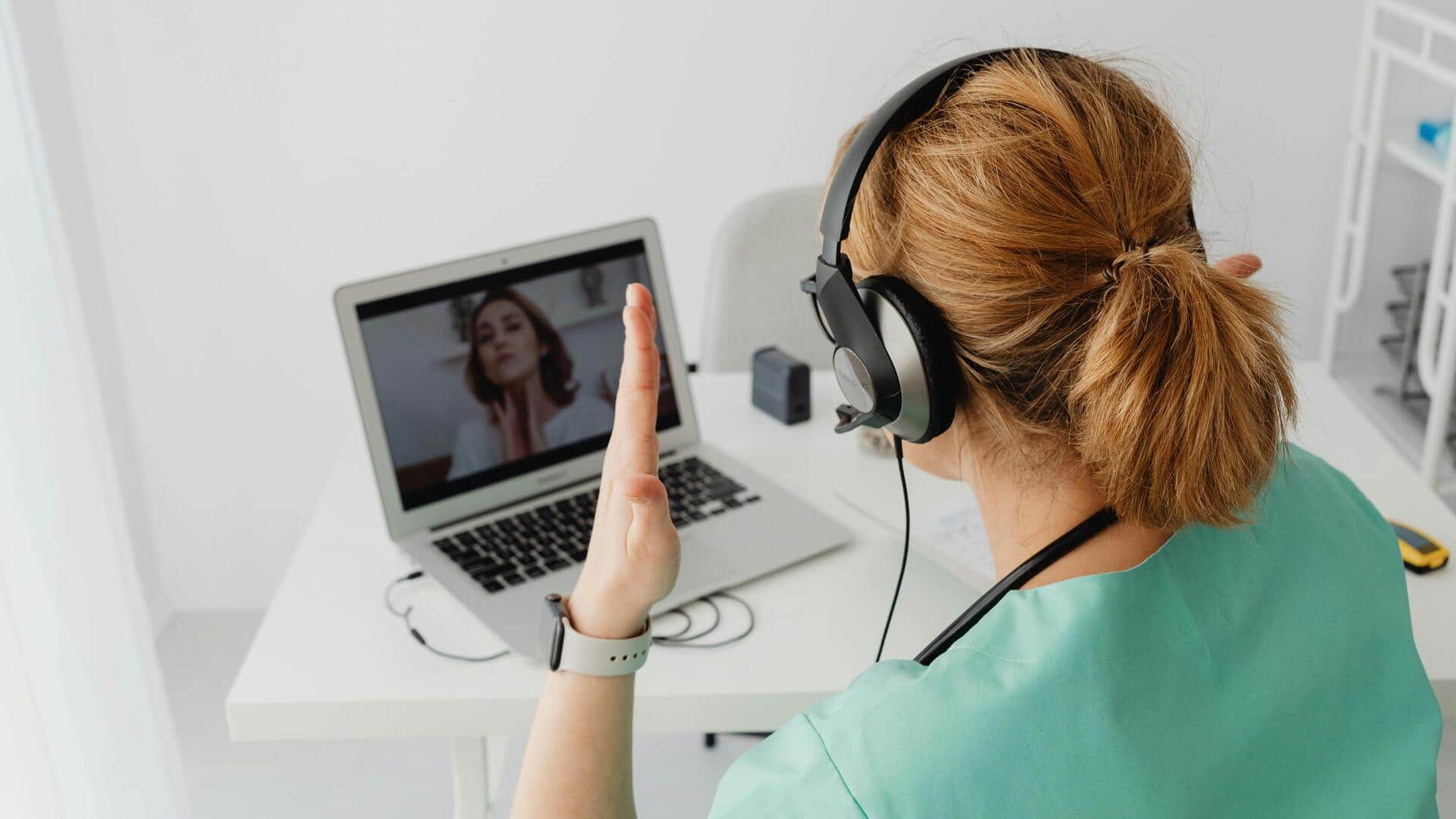
How AI telehealth is transforming rural healthcare
What's the story
AI-driven telehealth is revolutionizing healthcare access for remote communities, delivering quicker, personalized care without the travel. These innovations combine virtual visits with AI tools that help in triage, diagnosis, monitoring, and follow-up. In regions with clinician shortages and transportation barriers, AI can analyze patient data on the fly to help clinicians make informed decisions during teleconsultations. This not only alleviates workload but also improves continuity of care.
#1
Real-time data analysis
In remote settings, AI can quickly process patient records, imaging, and lab data to assist clinicians in identifying issues early on.
This ability proves critical during teleconsultations, as it helps make better clinical decisions.
By automating routine tasks such as note transcription and patient reminders, AI eases the burden off healthcare providers while ensuring consistent care delivery.
#2
Remote patient monitoring
AI-enabled remote monitoring systems are meant to monitor vital health metrics, such as blood pressure and ECG readings, in real time.
They quickly alert healthcare teams when the data trends indicate a potential worsening of chronic conditions.
This way, timely interventions can be made, effectively preventing complications and significantly improving patient outcomes.
By monitoring patients remotely, healthcare providers can ensure more consistent and reliable care delivery in isolated communities.
#3
Practical telehealth tools
AI-supported platforms, such as symptom-checking chatbots, voice assistants, and portable diagnostic devices like handheld ultrasounds, are helping improve healthcare access. They are especially useful in reaching people in remote areas.
In poorly connected areas, SMS-based mHealth tools provide necessary education and adherence reminders.
Mobile apps improve patient engagement through advanced tracking features and direct communication with healthcare providers.
This helps ensure that care is delivered consistently, even in remote communities.
#4
Specialty care access
AI-assisted tools are critical for specialty care needs, like ophthalmology screenings, as they allow early detection efforts that prevent complications.
These advanced tools bring specialist-level support into underserved areas, allowing faster screenings and more consistent monitoring.
By integrating AI technology, healthcare providers can offer timely interventions and maintain high-quality care standards, even in remote locations with limited access to specialists.
This greatly enhances patient outcomes and healthcare delivery.