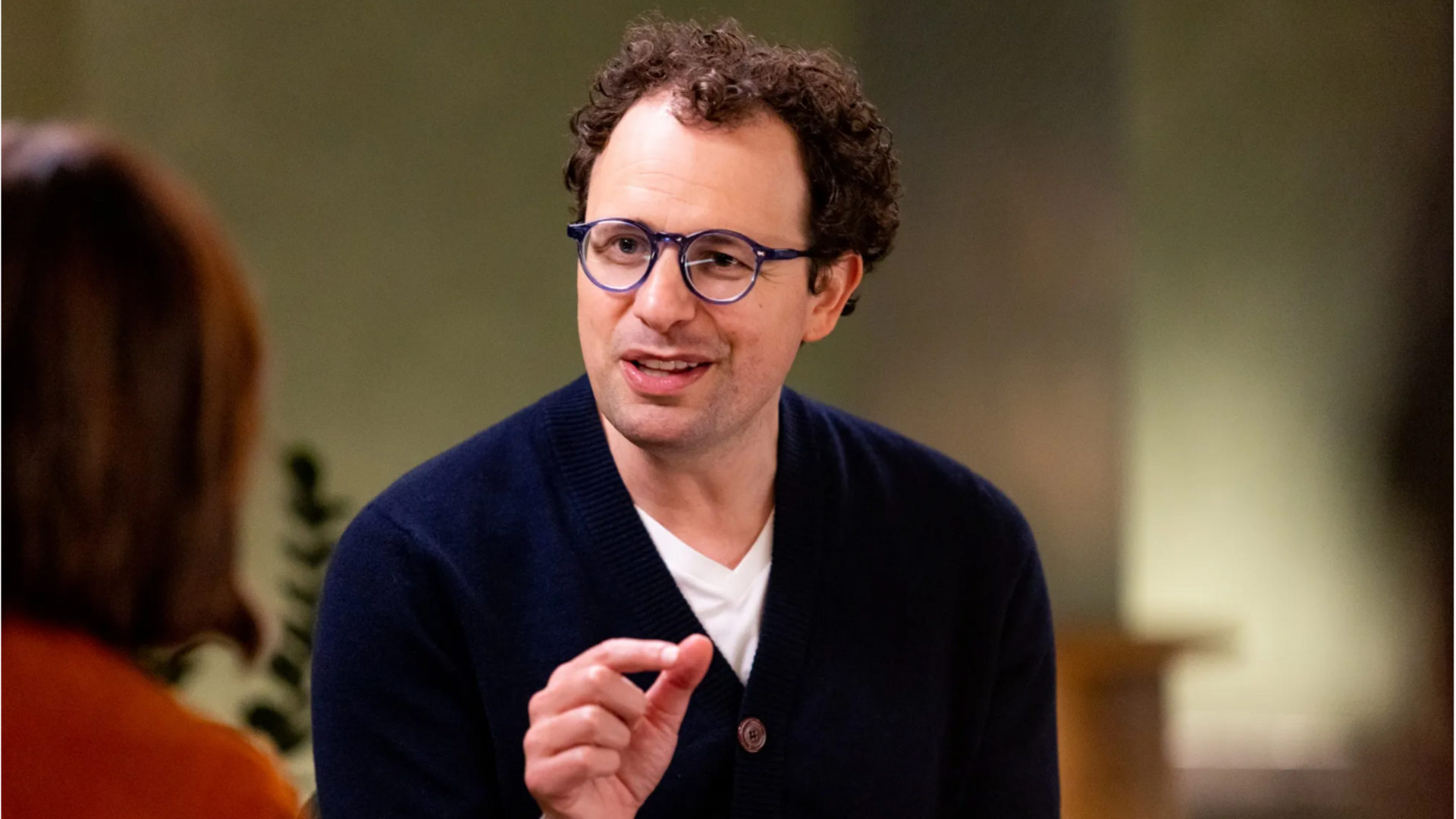
Anthropic CEO says AI rules won't necessarily favor big companies
What's the story
Dario Amodei, the CEO of Anthropic, has rejected the notion that regulating artificial intelligence (AI) would lead to a concentration of power in the hands of a few companies and governments. He believes that well-crafted regulations can actually limit the dominance of leading AI firms while giving smaller competitors more opportunities to catch up.
Regulation debate
'False choice' between power concentration and distribution
Responding to investor Gavin Baker's comments, Amodei called the choice between concentrating AI power through regulation and distributing it widely a "false choice."
He argued that fair institutional processes can limit corporate power and protect individuals.
He also said regulations could be tailored to impose greater burdens on advanced AI companies than smaller challengers.
Regulatory support
Amodei highlights Anthropic's support for California AI bills
Amodei highlighted Anthropic's support for California's SB53 and its earlier position on SB1047, noting both measures exempted companies below certain revenue or model-training thresholds.
He also said his company has endorsed testing frameworks that impose stricter requirements on leading models than less advanced ones.
This, he believes, could benefit challengers including open-weight AI developers.
Power dynamics
Response to Baker's argument on AI risks
Responding to Baker's argument that AI risks should be mitigated by distributing capabilities widely, Amodei said AI is inherently prone to concentrating power due to the economics and computing requirements of scaling advanced models.
He argued that while open-weight models can help distribute capabilities, they are not enough as access to computing power and chips remains concentrated among leading AI companies and major hardware providers.
Messaging defense
Amodei defends his public messaging on AI
Amodei defended his public messaging on AI, saying he has tried to balance warnings about risks with the technology's potential benefits.
He pointed to his essay Machines of Loving Grace, which discussed AI's potential to revolutionize healthcare and biology.
The bigger problem facing the industry is a crisis of public trust, he said, adding that companies should earn confidence by delivering tangible benefits rather than relying on optimistic marketing.