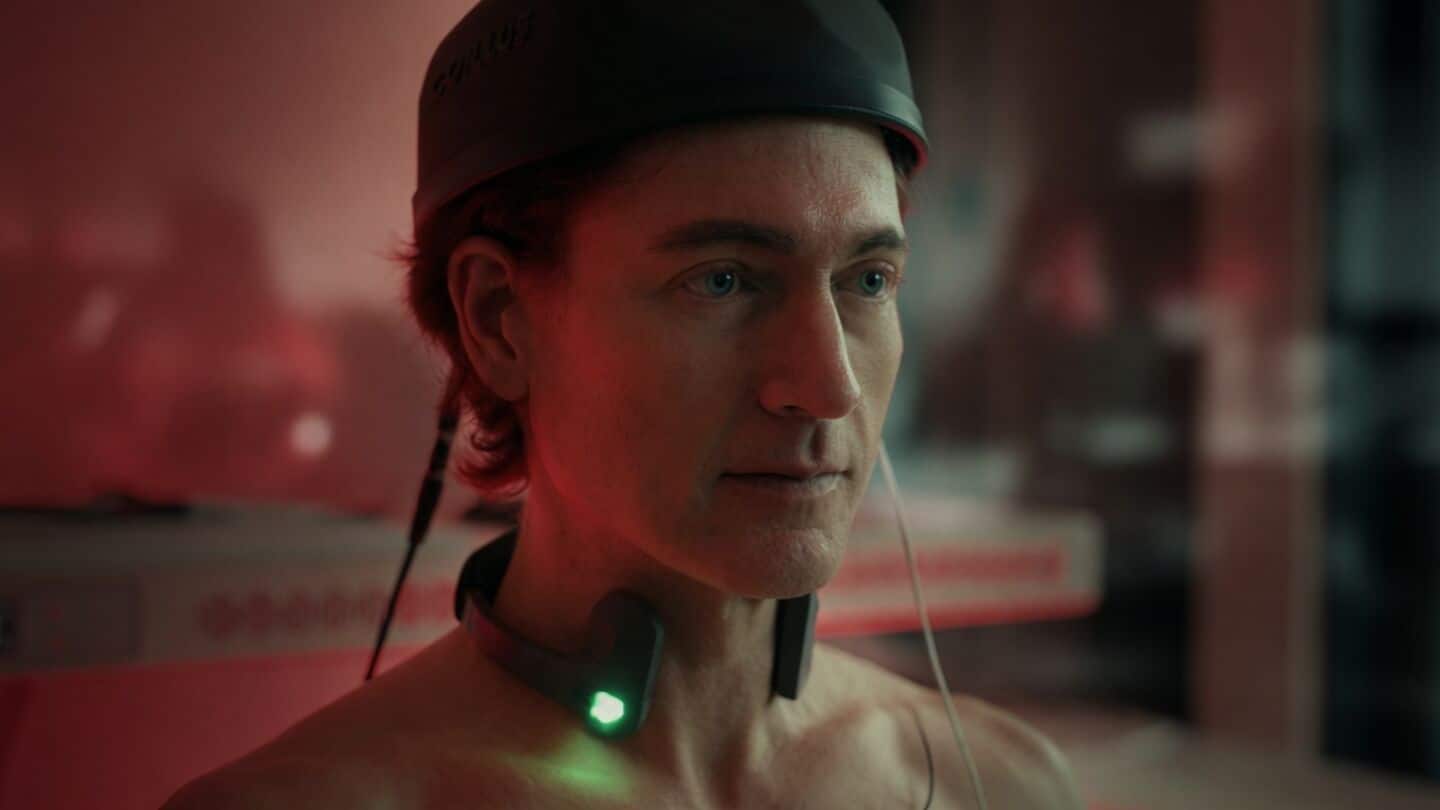
Biohacker Bryan Johnson 'clones' himself to test therapies, grow organs
What's the story
Tech entrepreneur Bryan Johnson, known for his extreme health experiments, has claimed to have "cloned" himself as a newborn. The 48-year-old biohacker made the announcement on social media platform X, saying, "I just cloned myself... as a newborn." However, he clarified that this "baby-Bryan" is not an actual infant but exists in a laboratory dish.
Technique explained
Johnson's experiment actually involves induced pluripotent stem cell
Johnson's experiment actually involves induced pluripotent stem cell (iPSC) technology, which is a well-established scientific research area.
The process uses normal adult cells from blood samples and reprograms them to behave like earlier stem cells.
This is not about creating a genetically identical human being but creating cells that have been reprogrammed to a stem-cell-like state for research purposes.
Future prospects
Potential uses of iPSC technology
Johnson believes that iPSC technology could be used to study diseases, test treatments, or even repair damaged tissues in the future.
He has also talked about the possibility of growing replacement organs and using younger cells as part of future treatments.
The tech millionaire said he could become his own "blood boy" and use this technology to explore therapies and develop new treatments.
Personal struggle
Johnson diagnosed with autoimmune disease
Despite his rigorous health routine, Johnson was recently diagnosed with an autoimmune disease. The condition makes the immune system attack healthy tissue in the stomach lining.
However, instead of weakening his faith in experimental medical research, the diagnosis has strengthened it.
He sees this as an opportunity to explore new ways of repairing and strengthening the body, which aligns with his anti-aging project philosophy.
Public perception
Reaction to Johnson's health routine
Johnson's extreme health routine, which includes measuring and optimizing every aspect of his health from sleep to diet, has drawn both a massive online following and criticism.
Some people have questioned the necessity or scientific validity of his extreme approach.
Others have criticized him for being an example of what happens when someone with too much money becomes extremely afraid of dying.
Ethical concerns
Debate over ethical implications of iPSC technology
Johnson's latest experiment has once again sparked a debate about the future of medicine and the ethical implications of using iPSC technology.
While some people are fascinated by his work, others are skeptical about what he really meant when he said he had "cloned" himself.
The mixed reactions highlight the complex nature of this emerging field and its potential impact on healthcare.