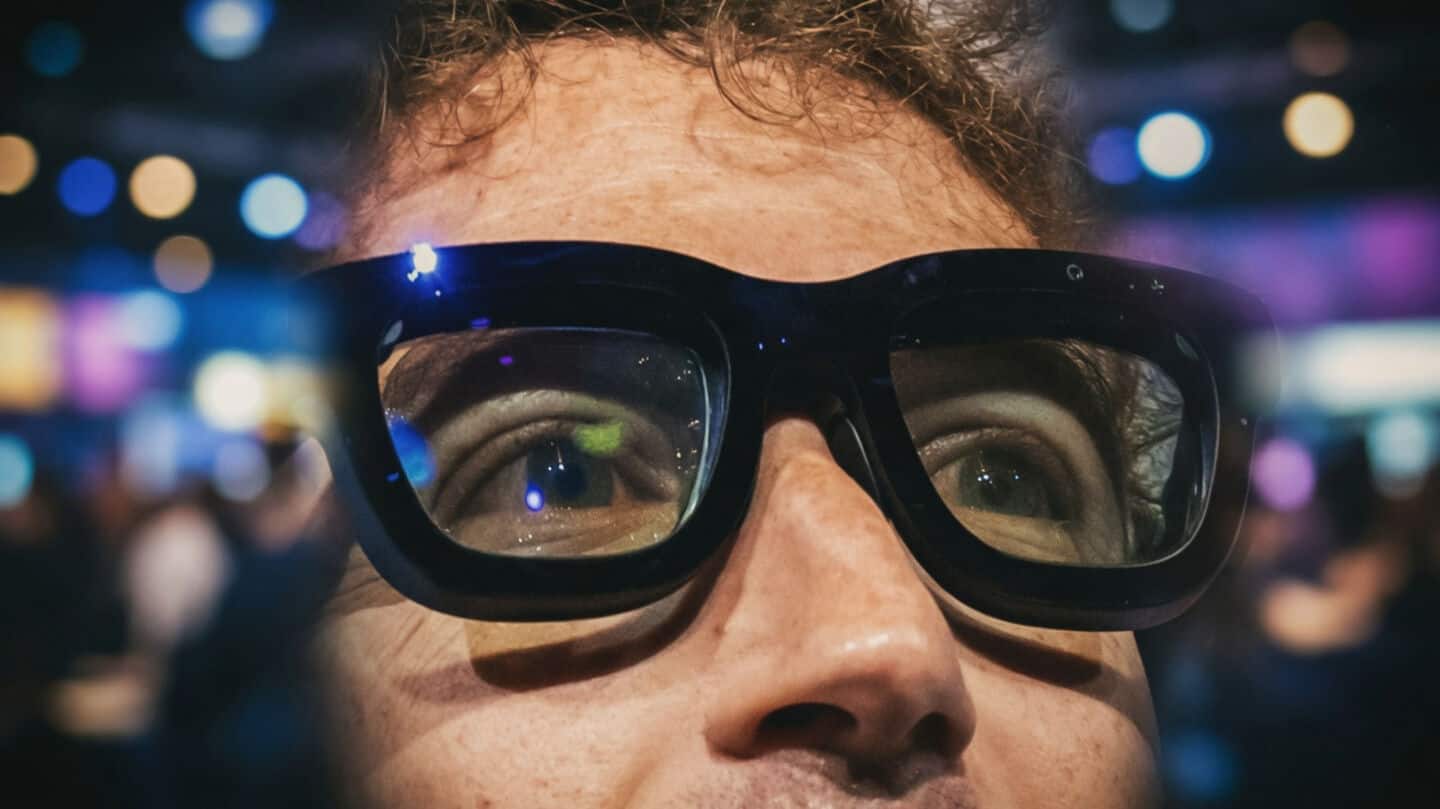
California governor vetoes bill banning secret recordings with smart glasses
What's the story
California Governor Gavin Newsom has vetoed a bill that sought to prevent secret recording with "pervert glasses" or wearable recording devices. The proposed legislation, known as California Senate Bill 1130, would have made it illegal to secretly record people with these devices. However, Newsom rejected the bill on grounds that it defined wearable recording devices too broadly and imprecisely.
Veto rationale
Newsom's concerns over bill's broad definition
In his letter to lawmakers, Newsom expressed concerns that the broad definition of wearable recording devices could lead to confusion and unintended consequences.
He also noted that the proposed bill included protections already provided by California law.
The legislation aimed to make California the first state to regulate smart glasses, amid countries like Norway seeking to potentially ban such technology due to privacy concerns.
Legislative intent
Bill introduced to address privacy concerns
The bill was introduced in response to the increasing prevalence of wearable products with cameras and microphones that can record everything around them.
These include internet-connected glasses made by Meta, which have sold more than seven million wearable glasses last year alone.
The bill's author, California state senator Eloise Gomez Reyes, said it aimed to help California deal with the rapid emergence of always-listening technology.
Consumer concerns
Controversial wearable technology and privacy concerns
The controversial wearables have been dubbed "pervert glasses" by critics and consumers, following reports of people using them to record and harass others.
Apple recently announced its latest Apple Watch software will include an always-listening feature, allowing users to replay a transcript of past 15 seconds and summarize conversations from the day.
Amazon is also planning to equip its delivery drivers with smart glasses that will capture photos "almost constantly."
The future of such technologies remains uncertain amid privacy concerns.