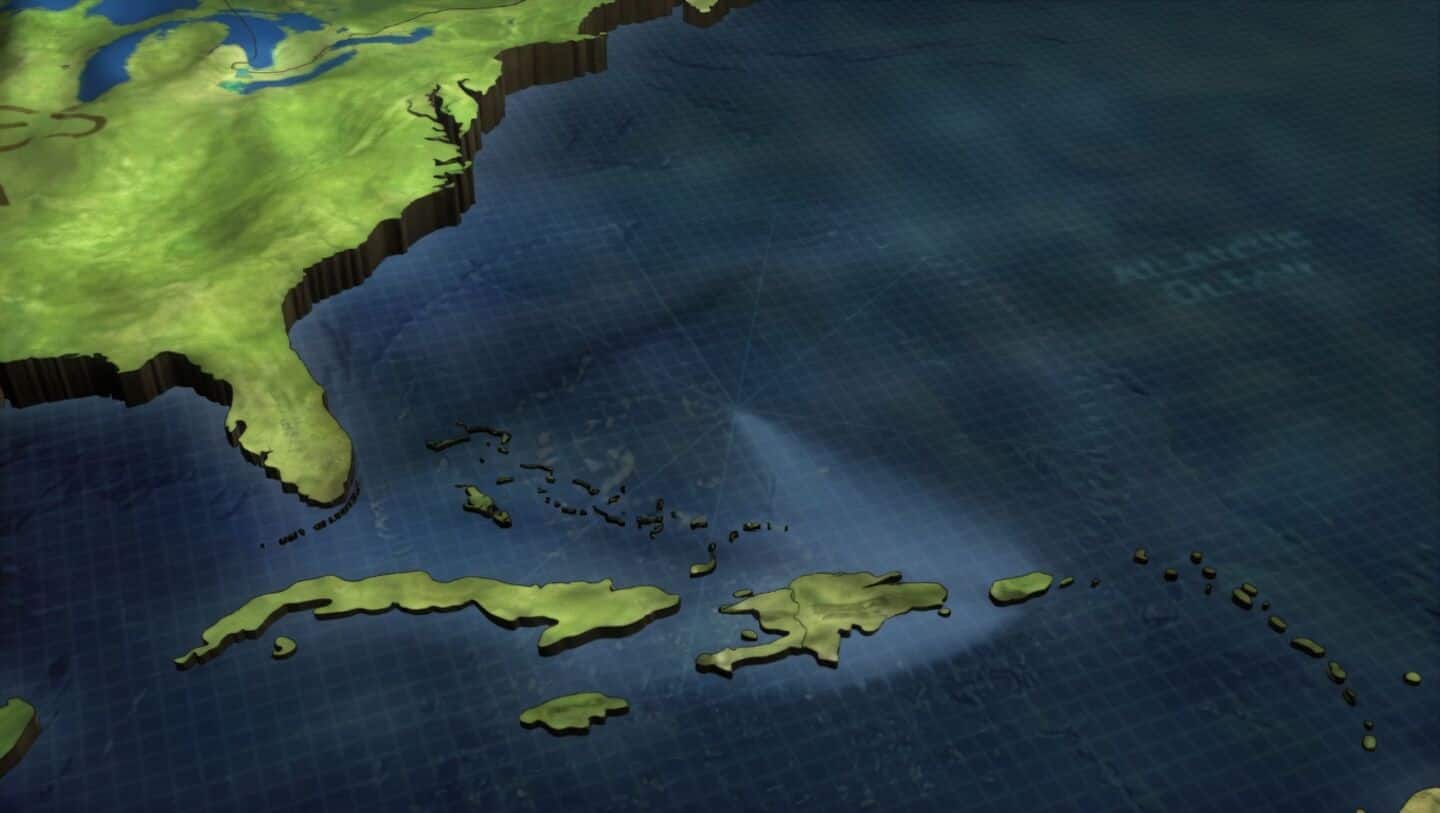
Carnegie Science and Yale researchers find buoyant rock lifts Bermuda
Bermuda has been sitting way above the seafloor for millions of years, even though its volcanoes have been asleep for ages.
Now, researchers from Carnegie Science and Yale say it is all thanks to a giant layer of super-light rock hidden deep beneath the island.
Their seismic study, published in Geophysical Research Letters, reveals this buoyant boost is what keeps Bermuda elevated.
Scientists deploy seismometers across Bermuda
This special layer, called "underplating," is much thicker and less dense than the surrounding mantle, about 50kg per cubic meter less dense than the surrounding mantle.
It formed when carbon-rich magma cooled at the base of Bermuda's crust some 30 to 35 million years ago.
To dig deeper, scientists set up seismometers across the island in 2026 to see if Bermuda is one-of-a-kind or part of a bigger geological story.