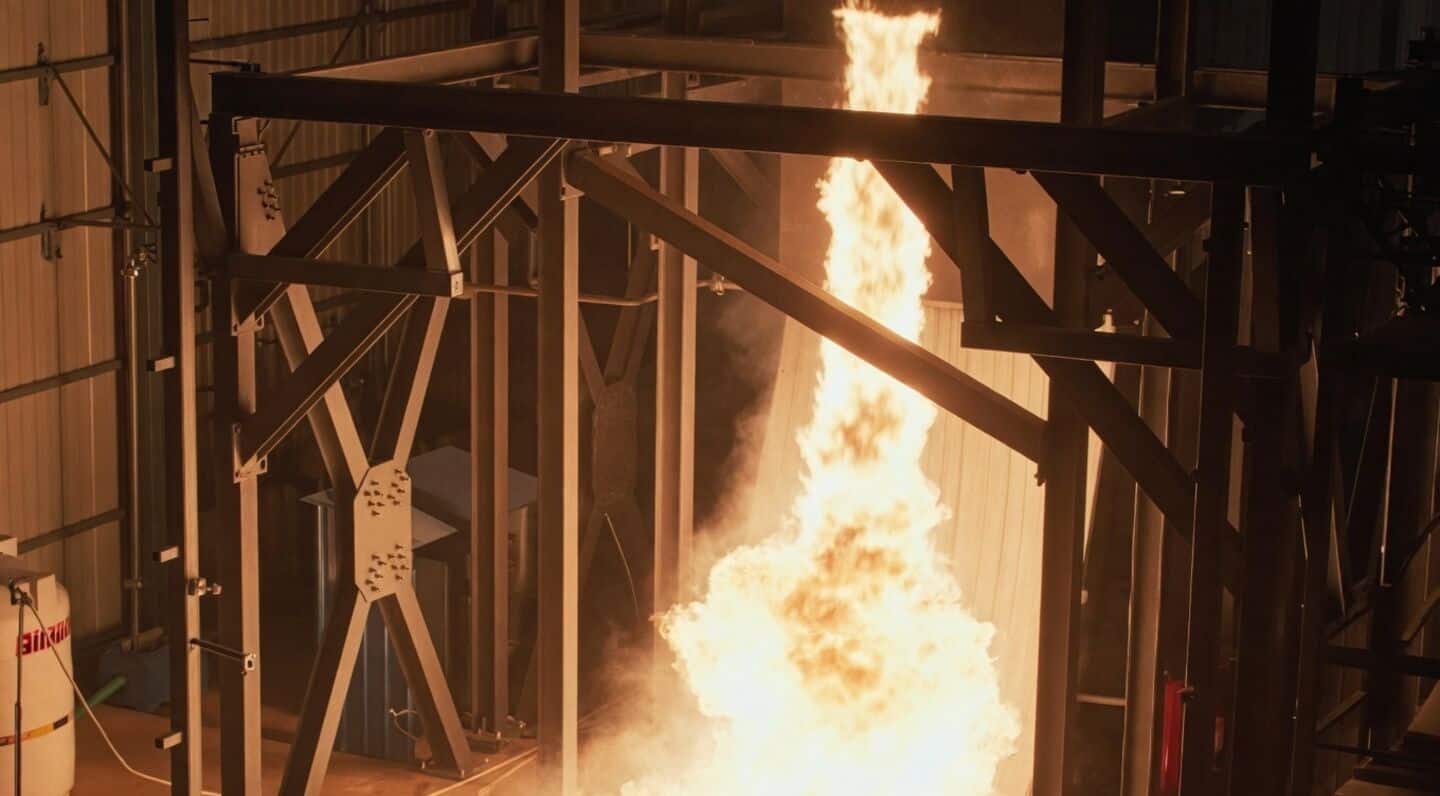
Chennai's Agnikul Cosmos successfully tests fully 3-D printed Agnite engine
Chennai startup Agnikul Cosmos has pulled off something big for India's space scene: they successfully tested their fully 3-D printed Agnite rocket engine on June 2, 2026.
The quick-start test lasted just under 19 seconds, showing off the engine's efficiency and precise control, pretty impressive for a homegrown private company.
Agnikul's 3-D printing cuts build time
The Agnite engine is built in one piece from a super-tough alloy called Inconel, letting it handle extreme heat and stress.
Thanks to electric motors driving the pumps, it can ignite fast and adjust smoothly after stage separation, which means rockets can carry more stuff into space.
With support from IIT Madras, ISRO, and IN-SPACe, Agnikul uses 3-D printing to make engines in just a week instead of months, cutting costs and speeding up launches.
Their goal? Make on-demand satellite launches way easier for everyone in India's growing private space sector.