A cure for autism might be on the way
What's the story
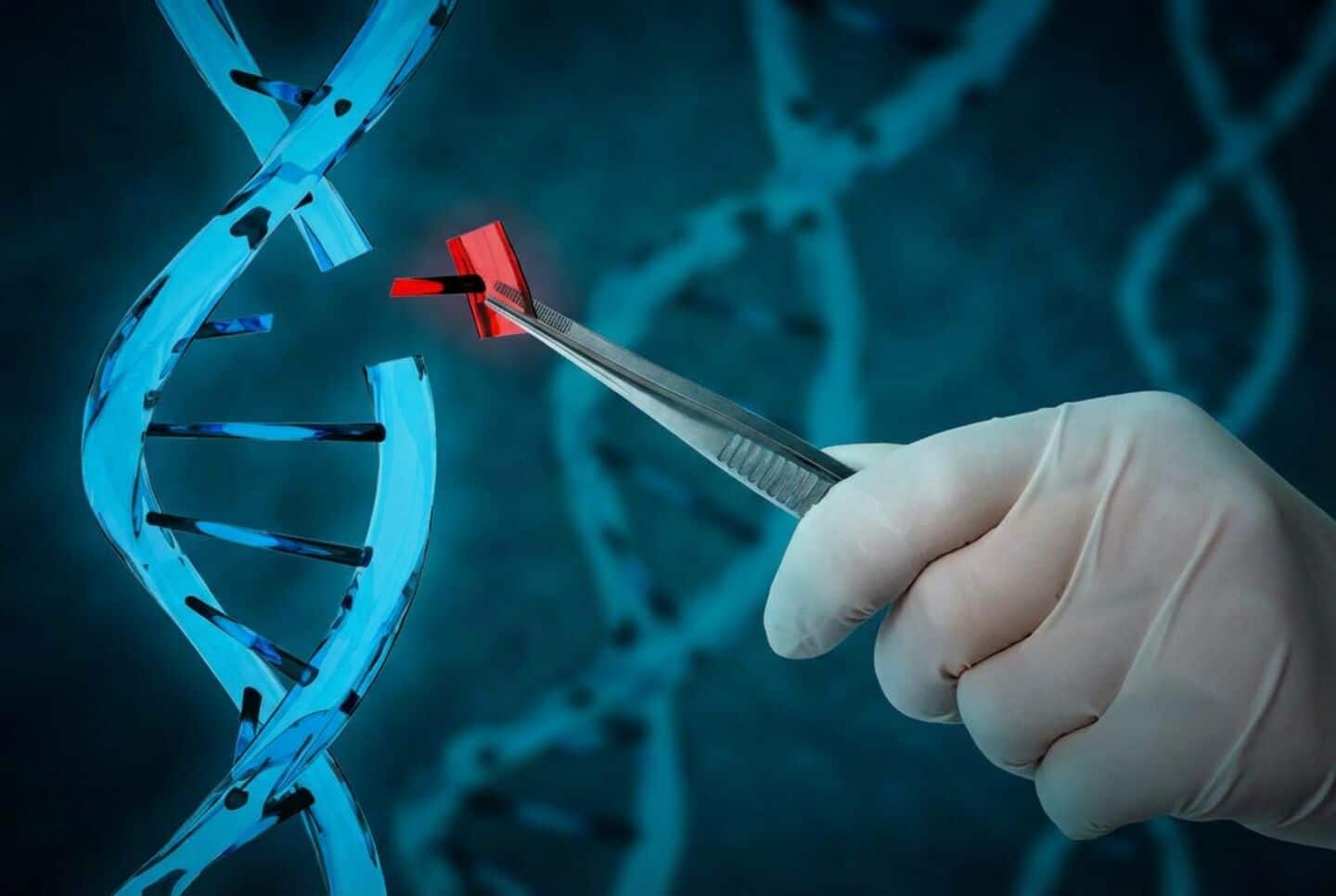
In a major breakthrough, Chinese scientists have used a cutting-edge gene-editing tool to correct a DNA mutation linked to cognitive and behavioral problems, showing promising results in lab tests. The development could pave the way for new therapies for autism. The Shanghai-based research team is focused on finding ways to treat Snijders Blok-Campeau syndrome, a rare neurodevelopmental condition frequently accompanied by autism spectrum disorder.
Syndrome
What is Snijders Blok-Campeau syndrome?
First described in 2018 by Lot Snijders Blok and Philippe Campeau, Snijders Blok-Campeau syndrome is characterized by a range of symptoms.
These include the developmental and speech problems, intellectual disability, distinctive facial features, and also structural brain abnormalities.
The complexity of this condition has made it difficult to target its underlying mechanisms with effective treatments.
Experimental results
Promising results in lab tests
In laboratory tests, mice genetically engineered to carry the mutation showed significant changes in their behavior after receiving an injection of the edited genes.
The results highlight the potential of this cutting-edge gene-editing tool as a possible treatment for autism and potentially other related disorders.
However, further research is needed to fully understand its implications and effectiveness in humans.