Eloise Marais likens rocket black carbon to untested geoengineering experiment
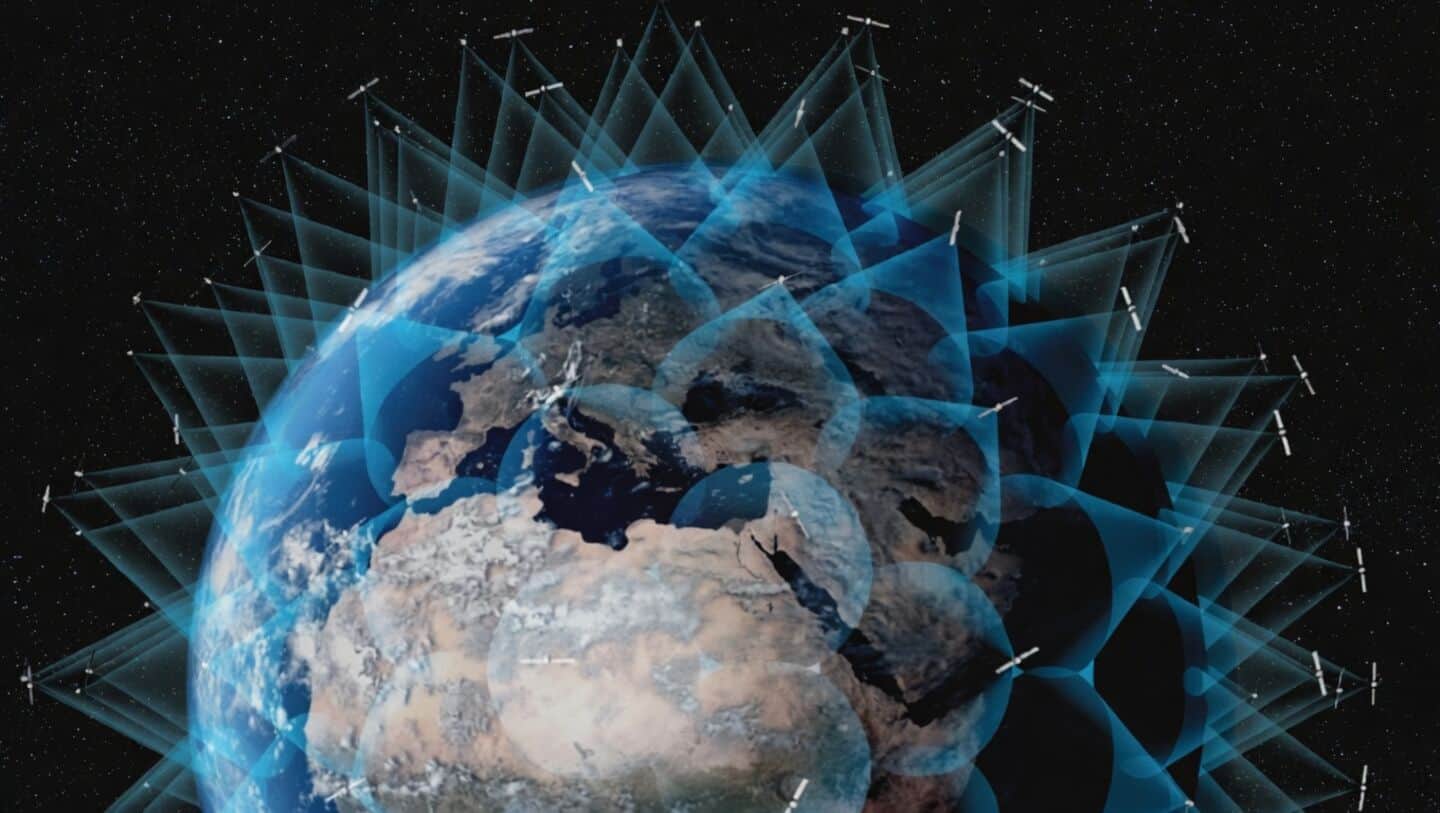
The satellite industry is growing fast, thanks to companies like SpaceX, but this growth comes with a climate warning.
A new study says black carbon from rocket launches could cause almost half of the space sector's climate impact by 2029.
Black carbon hangs out about 6 to 11.27km (10 to 12km) above Earth's surface, blocking sunlight and messing with Earth's temperature in ways Eloise Marais, the project lead and a University College London professor, compares to "untested geoengineering experiment with many unintended consequences."
Researchers call for launch rules
Professor Eloise Marais and her team found that black carbon from kerosene-fueled rockets sticks around much longer than regular air pollution.
In 2020, megaconstellations already made up 35% of the space industry's climate footprint, and that number could hit 42% by 2029.
The study also points out that while current ozone layer effects are small, things could get worse if chlorine-based fuels are used more often.
Researchers say it's time for real rules to keep space tech green as launches keep ramping up.