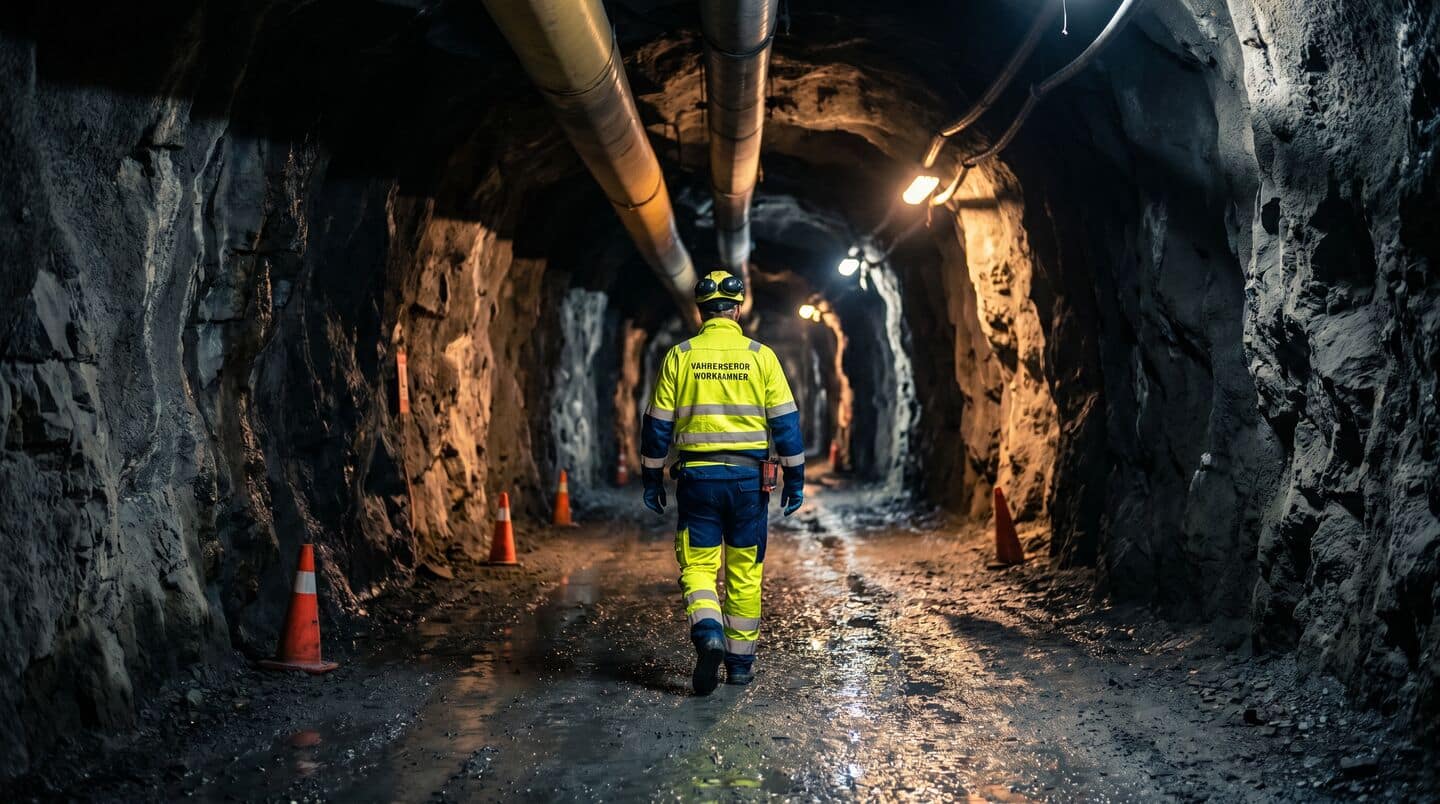
This Finnish facility can store spent nuclear fuel for 100,000-years
What's the story
Finland is on the verge of becoming the world's first country to start permanent underground storage of spent nuclear fuel. The facility, called Onkalo, has been constructed deep within stable bedrock in Eurajoki, southwestern Finland. It is located some 433 meters below ground and aims to safely store highly radioactive spent nuclear fuel from the country's power plants for thousands of years.
Project details
Final assessment by June
Finland's nuclear regulator, the Finnish Radiation and Nuclear Safety Authority (STUK), is expected to complete its final assessment of the Onkalo project by this month.
If approved, it could get an operating license and start accepting nuclear waste by late this year or early next year.
Developed by nuclear waste management company Posiva since 2004, the facility can hold up to 6,500 tons of uranium-based spent fuel from Finland's five reactors.
Waste management
How will the waste be stored?
Initially, spent fuel from the nearby Olkiluoto nuclear power plant will be transferred to the underground repository.
The waste will be sealed in corrosion-resistant copper canisters before being placed in holes drilled into the bedrock.
Engineers plan to surround these canisters with bentonite clay as a protective barrier, and seal disposal tunnels with reinforced concrete plugs to prevent any future leakage.
Storage
Facility designed to last for thousands of years
The repository's tunnel network is tipped to receive nuclear waste for around 100 years, though operations could be extended if Finland builds additional reactors.
Once full, the facility will be permanently sealed and designed to remain safe for at least 100,000 years.
Experts have examined possible risk scenarios extending up to a million years into the future with main concerns being corrosion of copper canisters, and geological events like earthquakes during future ice ages that could damage storage systems.