Google sent alerts across Venezuela seconds before 2 earthquakes struck
What's the story
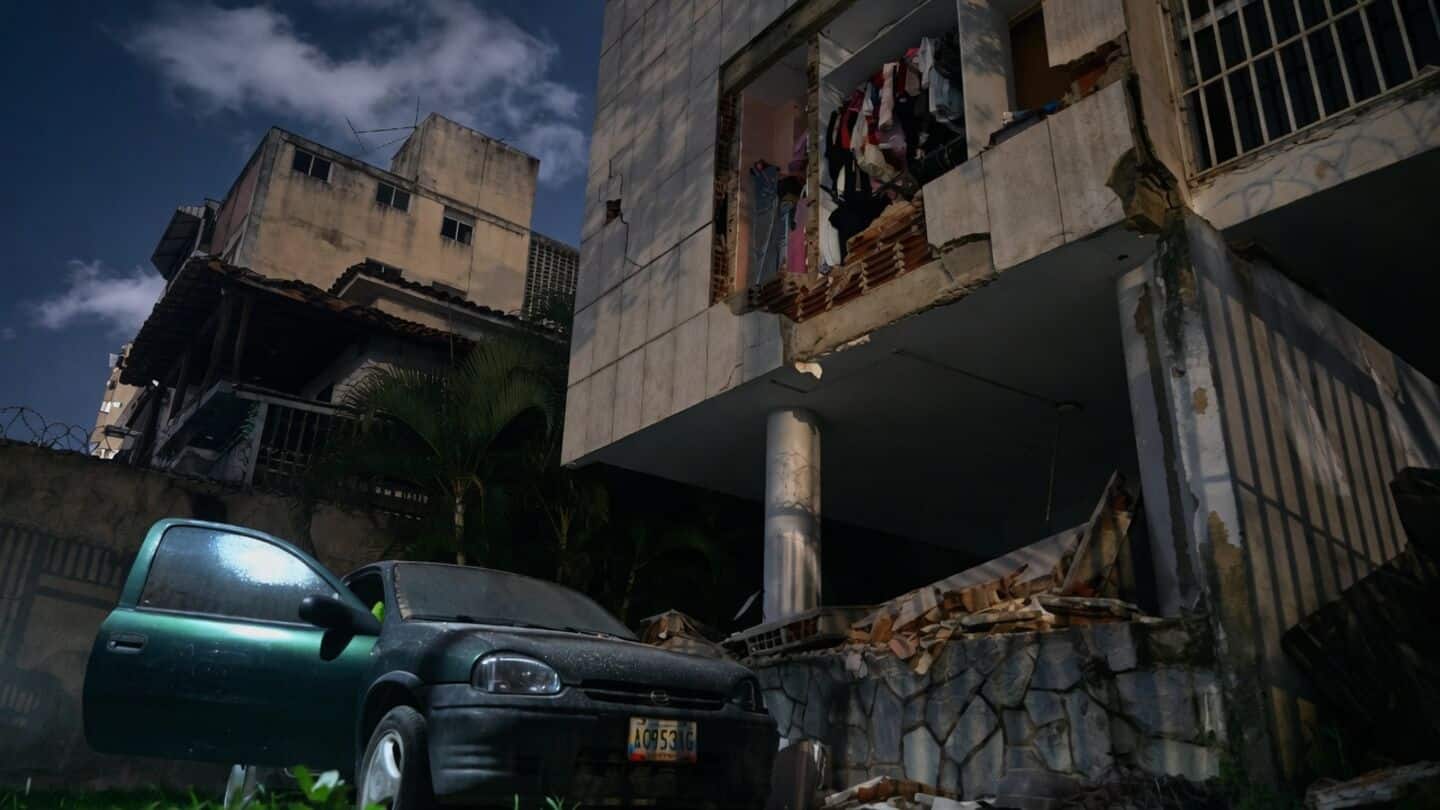
On Wednesday, Venezuela was rocked by two powerful earthquakes, measuring 7.2 and 7.5 on the Richter scale. The tremors caused extensive damage and have claimed the lives of 32 people so far. After the quakes, some residents said they received earthquake alerts from Google just moments before they struck. "On my smartphone, an insistent alarm went off seconds before the earthquake. Thanks to them, I made it out to the garden," one user wrote on X.
Technology explained
How the Android earthquake alerts system works
Google's Android Earthquake Alerts system uses the accelerometers in millions of smartphones to create a global earthquake detection network.
When an earthquake occurs, these sensors detect the initial seismic waves and send data to Google's servers.
By analyzing signals from multiple devices, the system can estimate the location and magnitude of an earthquake and issue alerts before stronger shaking arrives.
Worldwide coverage
System has sent out around 790 million alerts globally
Since its launch in 2021, the Android Earthquake Alerts system has expanded to nearly 100 countries. It has detected over 18,000 earthquakes and issued alerts for more than 2,000 significant events.
The system, Google says, has sent out around 790 million alerts globally, expanding access to earthquake early warning systems from about 250 million people in 2019 to a staggering 2.5 billion today.
Alert mechanism
Two types of alerts sent out
The Android Earthquake Alerts system uses two types of alerts based on the intensity of the earthquake.
The "Be Aware Alert" is for light shaking, while the "Take Action Alert" is for moderate to heavy shaking.
Tapping on either alert provides safety information and a map with an early estimate of the earthquake's location and magnitude.
User settings
Google alert during 2023 Philippines earthquake
In its blog, Google said that during a magnitude 6.7 earthquake in the Philippines in November 2023, its system sent out the first alert just 18.3 seconds after the quake started.
This gave people closest to the epicenter up to 15 seconds of warning.
Those farther away had up to a minute's warning. Approximately 2.5 million individuals were alerted.