Hejiu Hui links Chang'e-6 rocks to lava flows shaping Moon
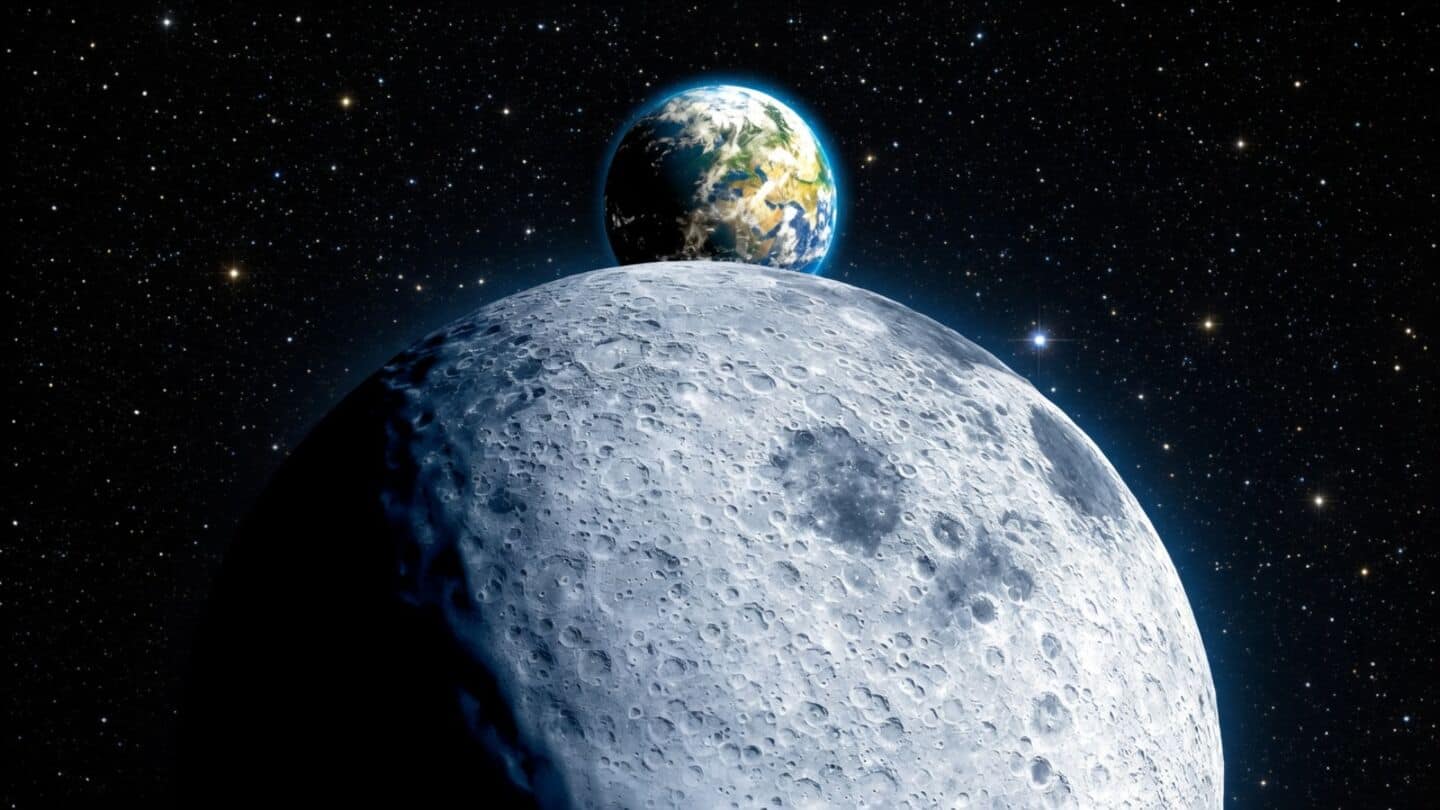
Ever wondered why one side of the Moon looks so smooth and the other's all bumpy? A team led by Professor Hejiu Hui (Nanjing University) found new evidence that could help explain it.
By analyzing rocks from China's Chang'e-6 mission, they found that billions of years ago, huge flows of molten rock shaped each side differently.
Their findings just dropped in.
Near side kreep, far side magnesium-rich
Turns out, both sides have a similar inside (mantle), but their crusts are nothing alike.
The near side, the one we see, has dark volcanic plains with relatively high concentrations of potassium, rare earth elements, and phosphorus (aka KREEP).
The far side is thicker, more magnesium-rich, and covered in craters.
This all comes down to how heat and magma moved around when the Moon was still young and tidally locked to Earth.