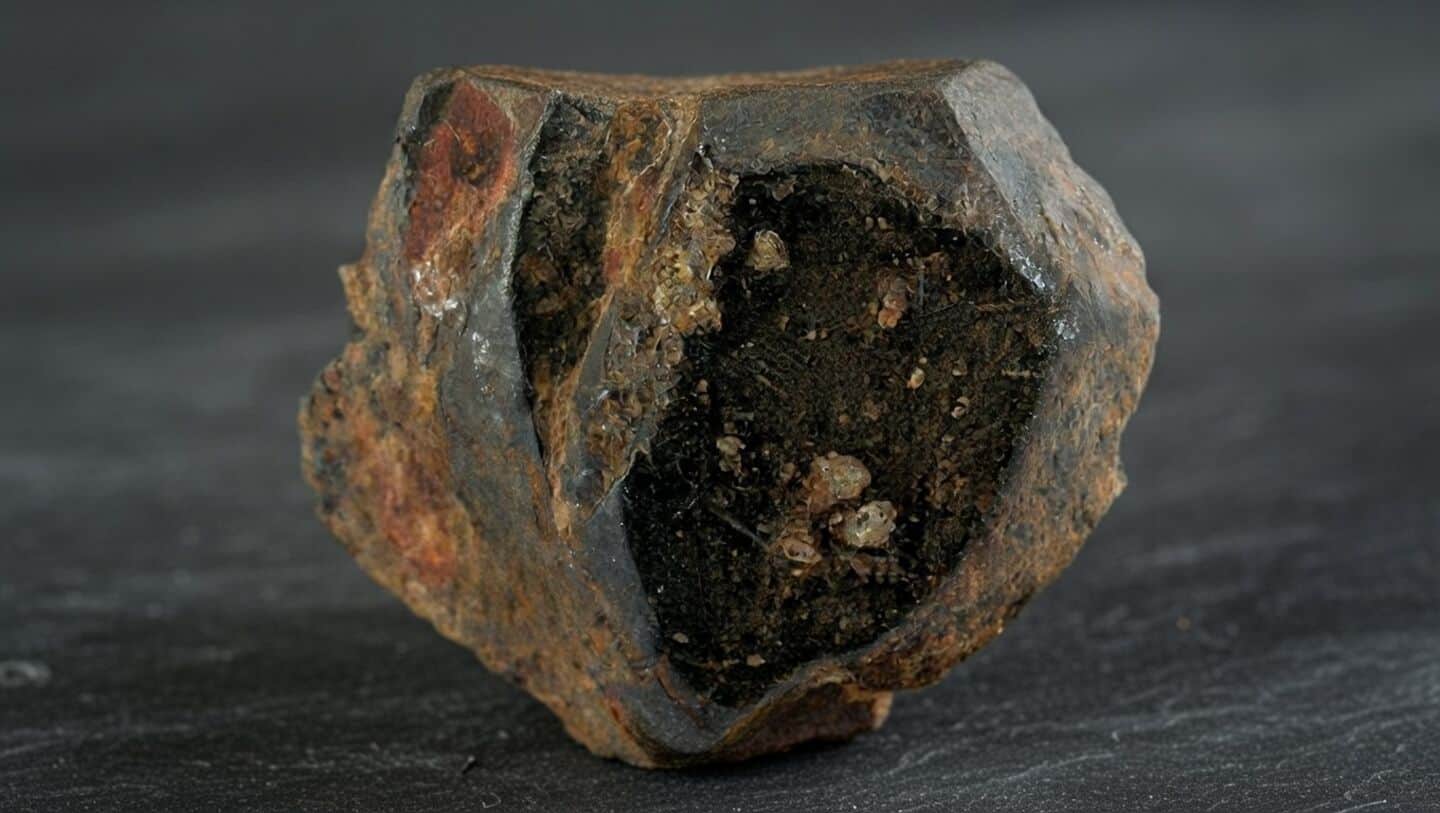
How did Moon get titanium-rich rocks? Indian scientists find answer
Scientists from IIT-Kharagpur and the Physical Research Laboratory have figured out how the Moon ended up with rocks packed with titanium, way more than we find on Earth.
Their study shows some lunar basalts hold up to 18% titanium dioxide (Earth's basalts have less than 2%), which could be a big deal for future space missions.
Research could help India's Chandrayaan-4 mission
To crack the mystery, the team recreated the Moon's deep, high-pressure conditions in the lab.
Their findings could help India's Chandrayaan-4 mission in 2028 pick landing spots loaded with valuable titanium.
As Prof. Sujoy Ghosh put it, this research not only reveals more about what's beneath the Moon's surface but also highlights how far India has come in planetary science.
Plus, these insights might even guide upcoming international lunar missions looking to map resources on the Moon (for example, water and ilmenite).