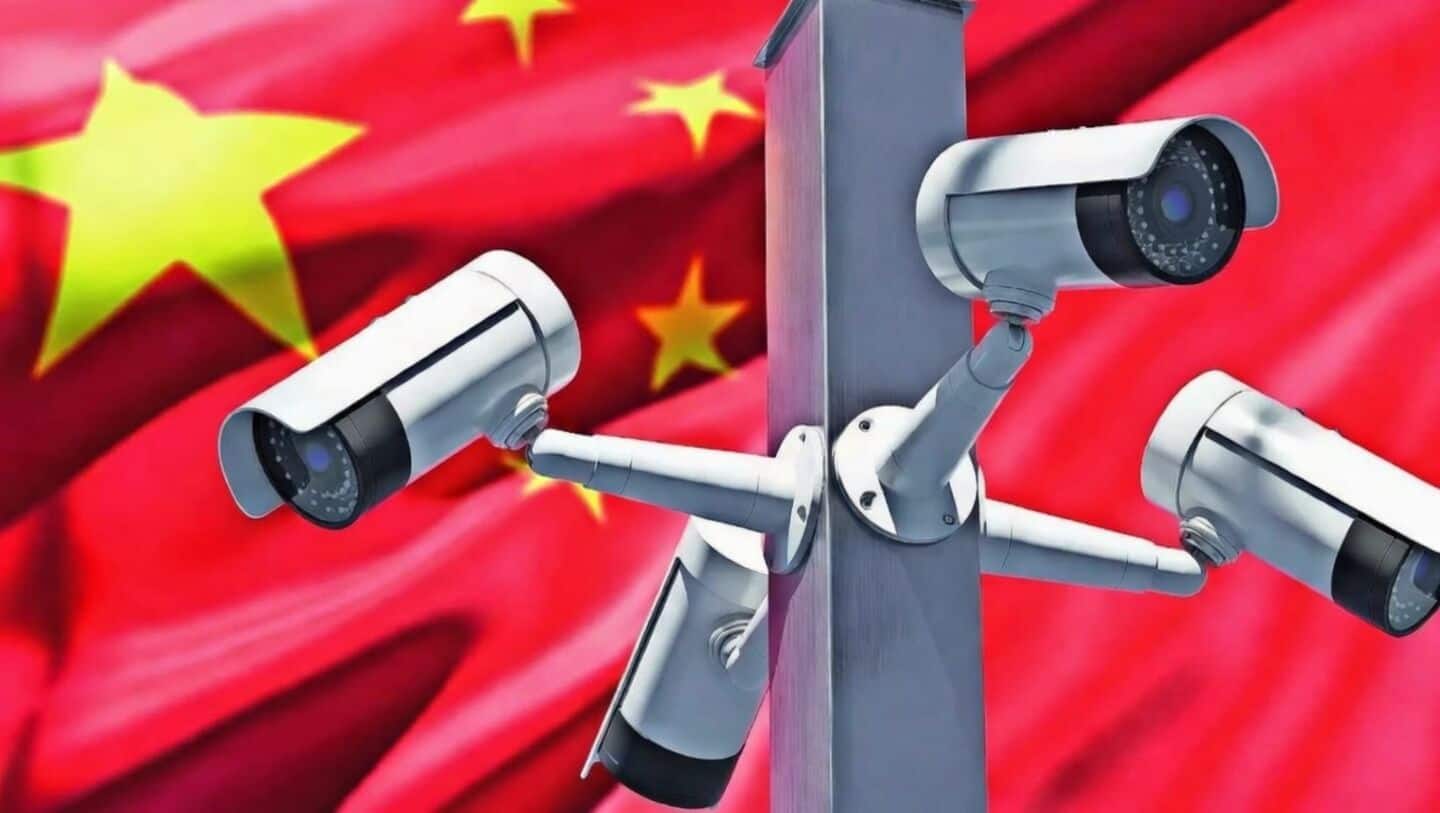
India bans Chinese CCTV brands from April 1: Here's why
What's the story
From April 1, 2026, Chinese video surveillance companies like Hikvision and Dahua will be banned from selling internet-connected CCTV cameras in India. This is due to new certifying rules introduced by the Ministry of Electronics and Information Technology (MeitY). The government has refused to certify products made by these companies or those using Chinese chipsets, effectively shutting them out of the market.
Market shift
Indian players hold over 80% share
Chinese brands accounted for one-third of all CCTV sales in India until last year.
However, domestic brands such as CP Plus, Qubo, Prama, Matrix, and Sparsh are now catering to the growing video surveillance market.
These companies have shifted their supply chains to rely on Taiwanese chipsets and localized firmware.
As of February 2026, Indian players hold over 80% of the market share with global players accounting for the rest.
Certification requirements
Manufacturers must disclose SoC origin
The new certifying rules mandate CCTV camera manufacturers to disclose the country of origin for critical components like the System-on-Chip (SoC).
They also have to test their devices against vulnerabilities that could allow unauthorized remote access at accredited labs.
As of now, 507 models of CCTV cameras have been certified by the government under these guidelines.
Cost implications
CCTV BoM jumps 15-20%
The shift away from Chinese suppliers has led to a 15-20% jump in the bill of materials (BoM) for CCTV cameras. Global supply shortages in memory and processors are also putting pressure on manufacturers.
However, prices have remained relatively stable at the lower end of the market as dominant players have been able to control costs by localizing some components.