ISRO gearing up for SPADEX-2, SPADEX-3 missions: What's the objective?
What's the story
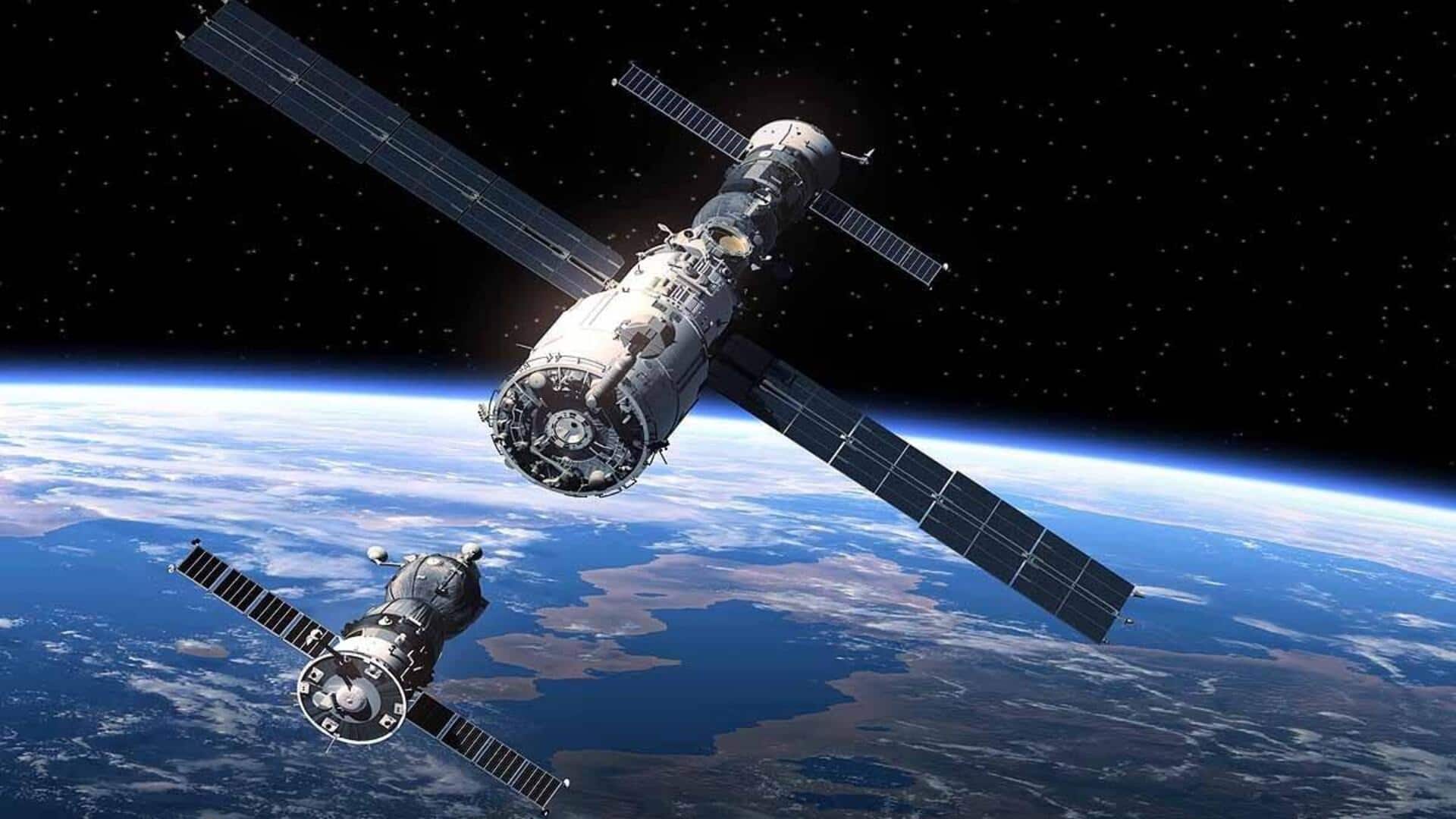
The Indian Space Research Organisation (ISRO) is gearing up for two advanced orbital docking experiments, SPADEX-2 and SPADEX-3. These missions are part of a long-term plan to establish and operate the Bharatiya Antariksha Station. The upcoming missions will build on previous docking demonstrations and test capabilities critical for future human spaceflight and lunar missions.
Mission details
Importance of SPADEX program
The SPADEX program is vital for mastering rendezvous and docking technologies, which allow spacecraft to meet, align, and also connect in space.
These capabilities are critical for various operations like crew transfer, refueling, and power exchange.
Successful validation of these technologies will support future missions such as the Gaganyaan crew module's docking with space stations and routine human spaceflight operations.
Objectives
Details of upcoming missions
SPADEX-2 shall focus on docking and undocking two spacecraft in a highly elliptical orbit, a complex environment needed for future missions like Chandrayaan-4.
The mission will also attempt sample transfer between two modules, an important capability for returning goods from the Moon.
Meanwhile, SPADEX-3 will demonstrate docking in a circular orbit, similar to low Earth orbit conditions.
Significance
Significance of SPADEX-3
SPADEX-3 is a precursor to docking operations for the Bharatiya Antariksha Station.
It will involve docking between two pressurized modules via the indigenous Bharatiya Docking System (BDS), a technology crucial for crewed missions and long-duration stays in orbit.
ISRO has already demonstrated basic docking capabilities through its earlier SPADEX mission, with these new experiments marking a significant step forward in more challenging environments.
Collaborative efforts
Collaboration with academic institutions and national laboratories
The government has also opened up opportunities for academic institutions and national laboratories to contribute to these missions.
Areas such as payload development, algorithm design, and experimental technologies are open for collaboration.
Indian institutes have previously played key roles in missions like Aditya-L1, with a greater participation being encouraged to strengthen the country's space ecosystem.