Mercury to brighten pre-dawn sky tomorrow: How to watch
What's the story
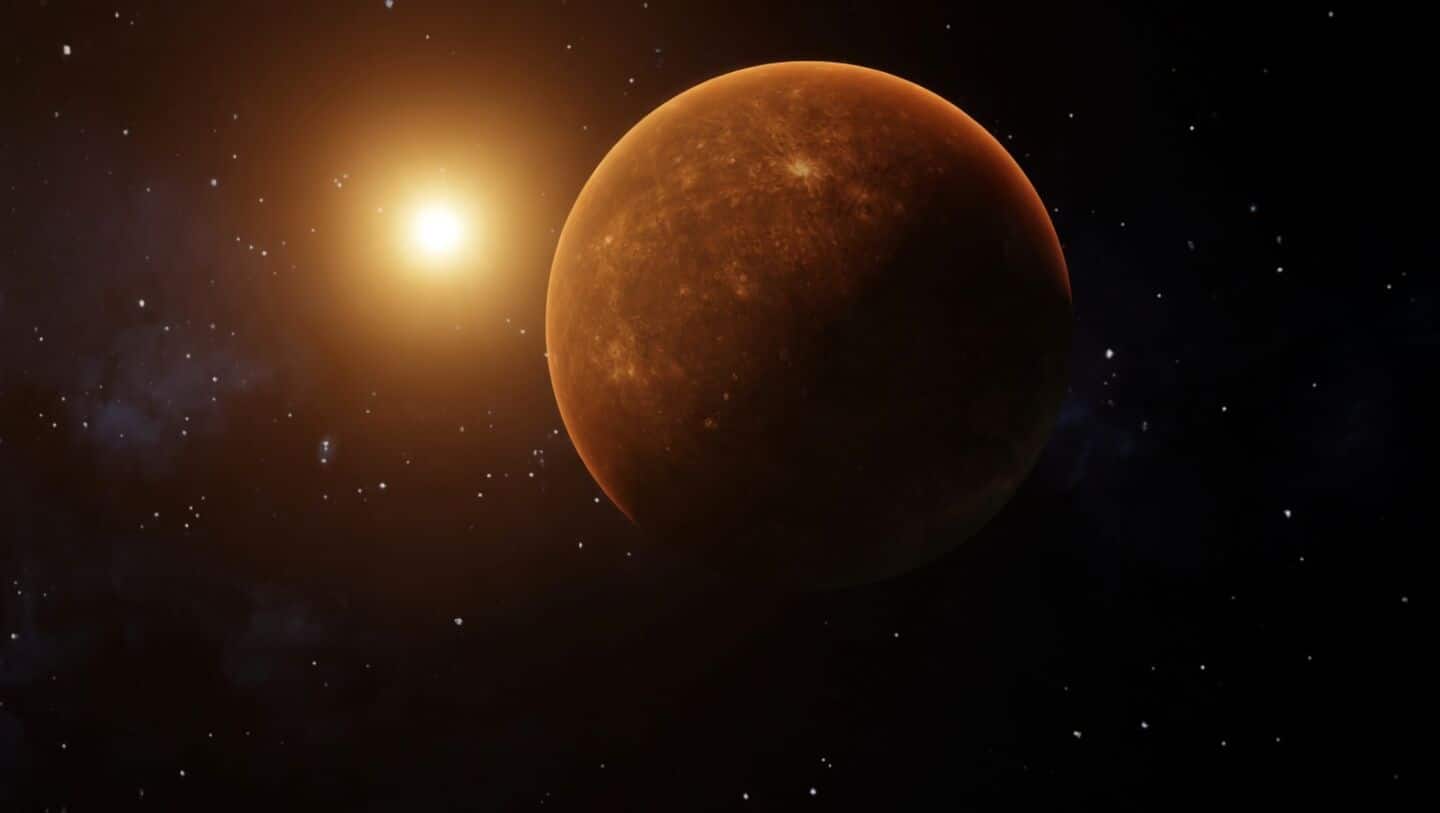
Mercury will reach its greatest western elongation on April 3, 2026, making it one of the most visible planets in the early morning sky. The celestial event occurs when Mercury appears at its farthest point from the Sun, giving it a brief window of visibility before sunrise. During this time, Mercury will be located about 28 degrees away from the Sun.
Celestial phenomenon
What is western elongation?
Western elongation is when Mercury appears at its farthest point from the Sun as seen from Earth.
This phenomenon makes it a morning sky event, with the planet becoming visible just before sunrise.
Due to its proximity to the Sun, spotting Mercury can be quite challenging on most days.
However, during elongation, it moves away enough in our line of sight that we can see it more easily.
Viewing tips
When will the event occur?
Mercury will reach its greatest western elongation on April 3, 2026, at 7:00pm EDT (4:30am IST, next day).
However, the best time to see this event is about 30-40 minutes before sunrise when Mercury will be low above the eastern horizon.
The celestial event can be witnessed from most parts of the world with a clear eastern horizon before sunrise.
Southern Hemisphere regions like Australia, New Zealand, and South Africa are ideal spots to view this phenomenon.
Viewing conditions
Tips to spot Mercury
Experts recommend clear skies and low atmospheric haze as key factors for witnessing this celestial event.
Mercury is expected to shine at a magnitude of around +0.4, bright enough to be seen with the naked eye under good conditions.
Binoculars can also be used to spot the planet, but observers should only use them before sunrise to avoid accidental viewing of the Sun.