Microsoft merges Copilot apps, drops failed AI features
What's the story
Microsoft is merging its consumer and business-focused Copilot apps into one. The move comes as part of a strategy to simplify its offerings and improve user experience. The tech giant will also be discontinuing some underperforming AI features from the merged app. The decision acknowledges how personal and professional uses of AI often overlap, while also simplifying Microsoft's strategy in the face of competition from ChatGPT, Claude, and Gemini.
App merger
Copilot app merger follows industry trend
The merger of the two Copilot apps comes as part of a larger trend in the AI app market.
Other companies like Anthropic merging Cowork into Chat, OpenAI, and Google have also been streamlining their offerings.
The new unified Copilot app will let users sign in with work, school, or personal accounts. It will connect to email, calendar, and cloud services for home and work use.
Feature enhancement
Features for free and paid users
The unified Copilot app will offer features for both free and paid users.
Microsoft 365 subscribers will get higher usage limits and direct access to Word, Excel, Outlook, and other Microsoft 365 apps/files from Copilot.
All users can use standard Copilot features like asking questions, making requests, generating images, uploading files and chatting via text/voice.
User transition
Transition details and feature discontinuations
The transition to the unified app will be guided for desktop and mobile users. Web users will be redirected to the updated version of Copilot online.
Microsoft has promised that work and personal environments will remain separate, with no data leakage between them.
However, some features like Group chats, Podcasts, and Deep Research mode will be discontinued after August 18.
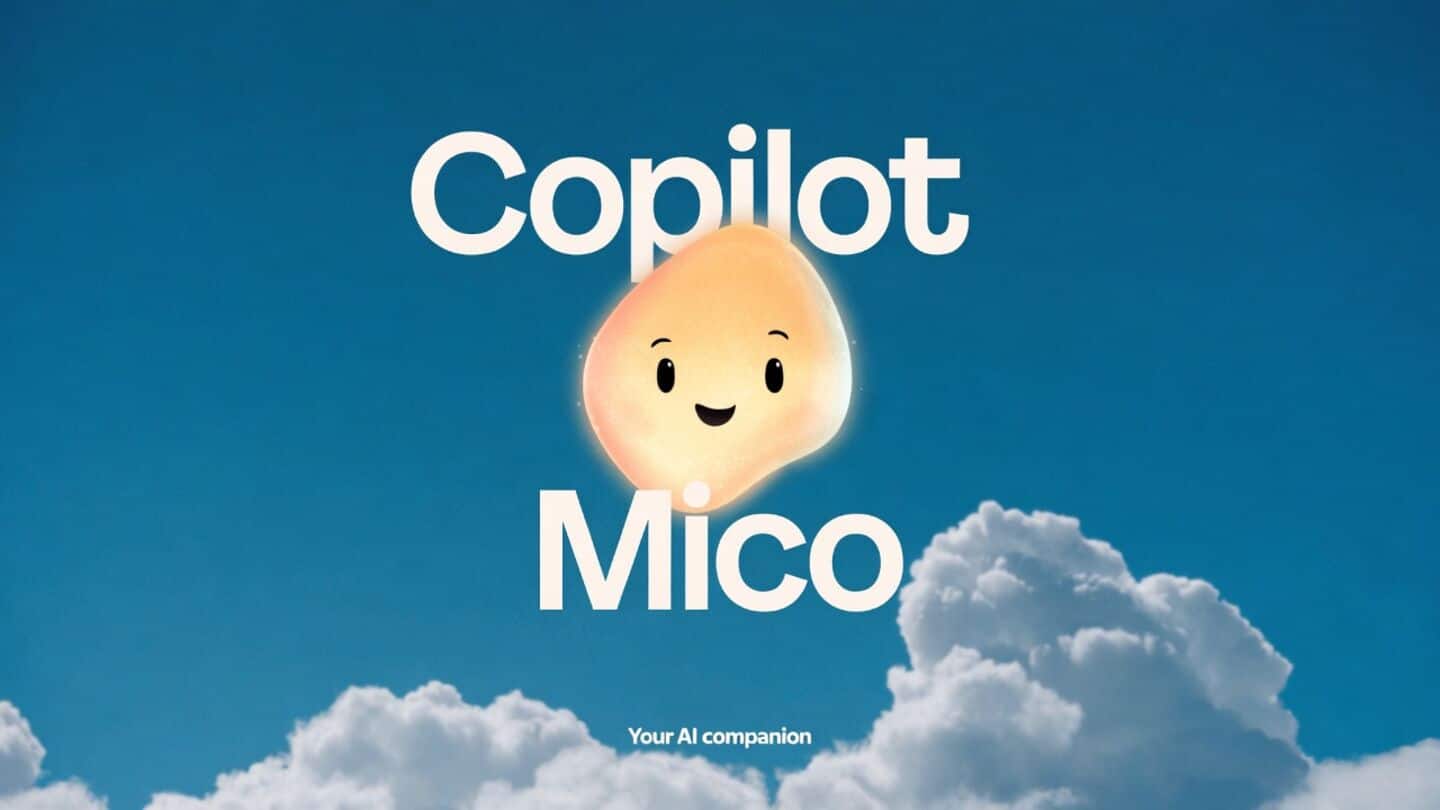
The company will also retire Mico, its goofy animated Copilot character, a floating blob and an AI-powered take on Clippy.