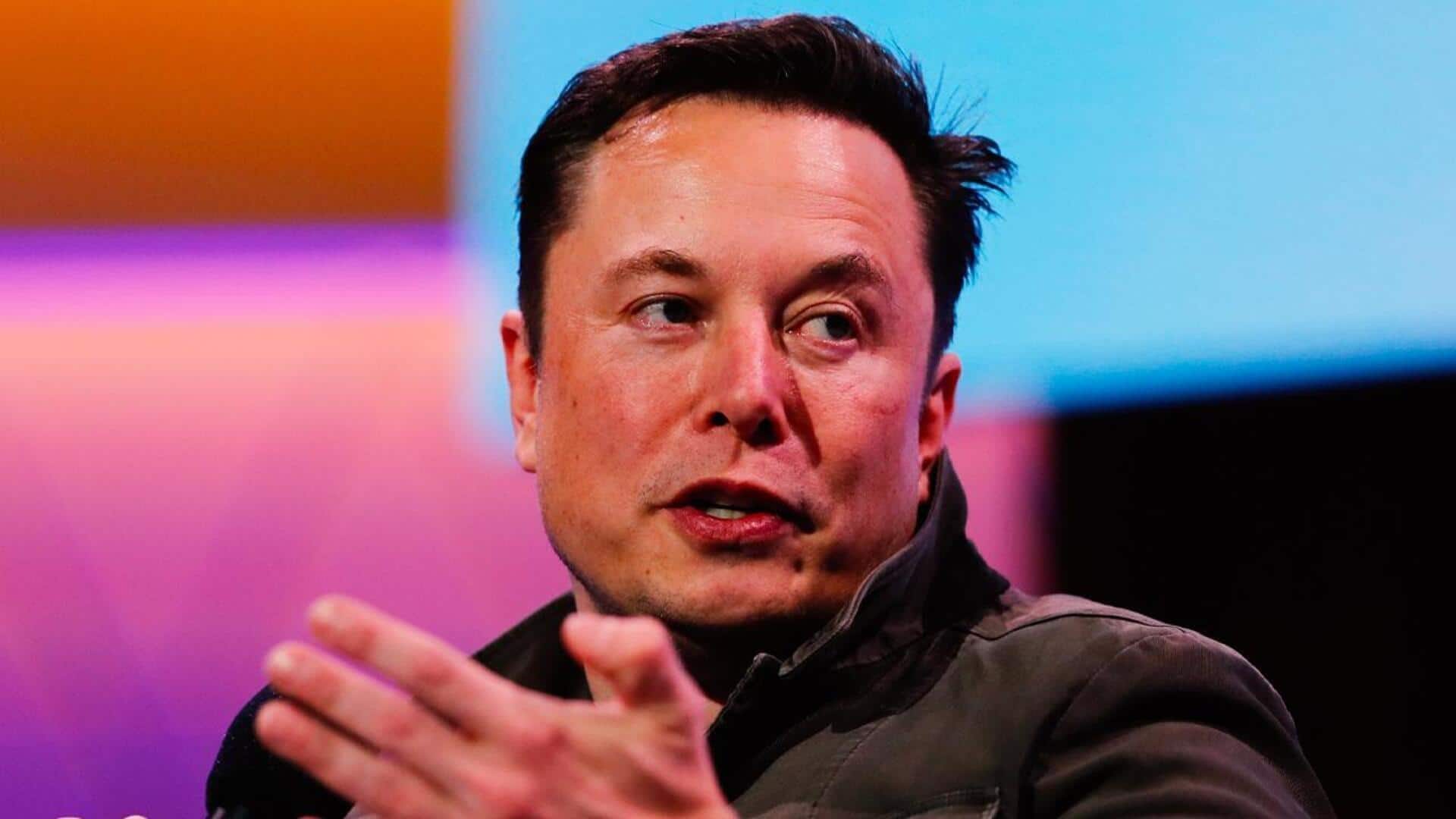
Musk slams Apple-Google AI deal, warns of 'unreasonable power'
What's the story
Elon Musk has slammed Apple's new AI partnership with Google, saying that it gives too much power to the latter. The criticism comes after Google announced a multi-year agreement with Apple to use its Gemini models and cloud infrastructure for future Apple Intelligence features. Musk's xAI is also embroiled in legal battles with both Apple and OpenAI over previous partnerships, particularly the integration of ChatGPT into Siri and Apple Intelligence, which Musk argues unfairly favors OpenAI.
Power dynamics
Musk's concerns over Google's growing influence
Musk took to X (formerly Twitter) to voice his concerns about the deal, saying it gives Google too much power.
"This seems like an unreasonable concentration of power for Google, given that they also have Android and Chrome," he said in a post responding to Google's announcement.
The criticism comes as both Apple and Google are under pressure from regulators over their market dominance.
Ongoing lawsuit
Musk's legal battle with Apple and OpenAI
Musk's criticism of the Apple-Google deal is not just ideological, but also legal.
His AI company, xAI, is currently suing Apple and OpenAI over their previous partnership that integrated ChatGPT into Siri and Apple Intelligence as an optional feature.
Musk has alleged that Apple's App Store policies unfairly favor OpenAI while blocking competing assistants like Grok from visibility.
Antitrust allegations
Musk's claims of antitrust violations
Musk has accused Apple of making it "impossible for any AI company besides OpenAI to reach #1 in the App Store," which he considers a blatant antitrust violation.
Although these claims have been largely disputed, the lawsuit has survived initial dismissal attempts and is set to continue.
Musk argues that this convergence could give too much power to one company already controlling Android, Chrome and large parts of the web's infrastructure.