NASA astronauts shelter in SpaceX capsule amid ISS module leaks
What's the story
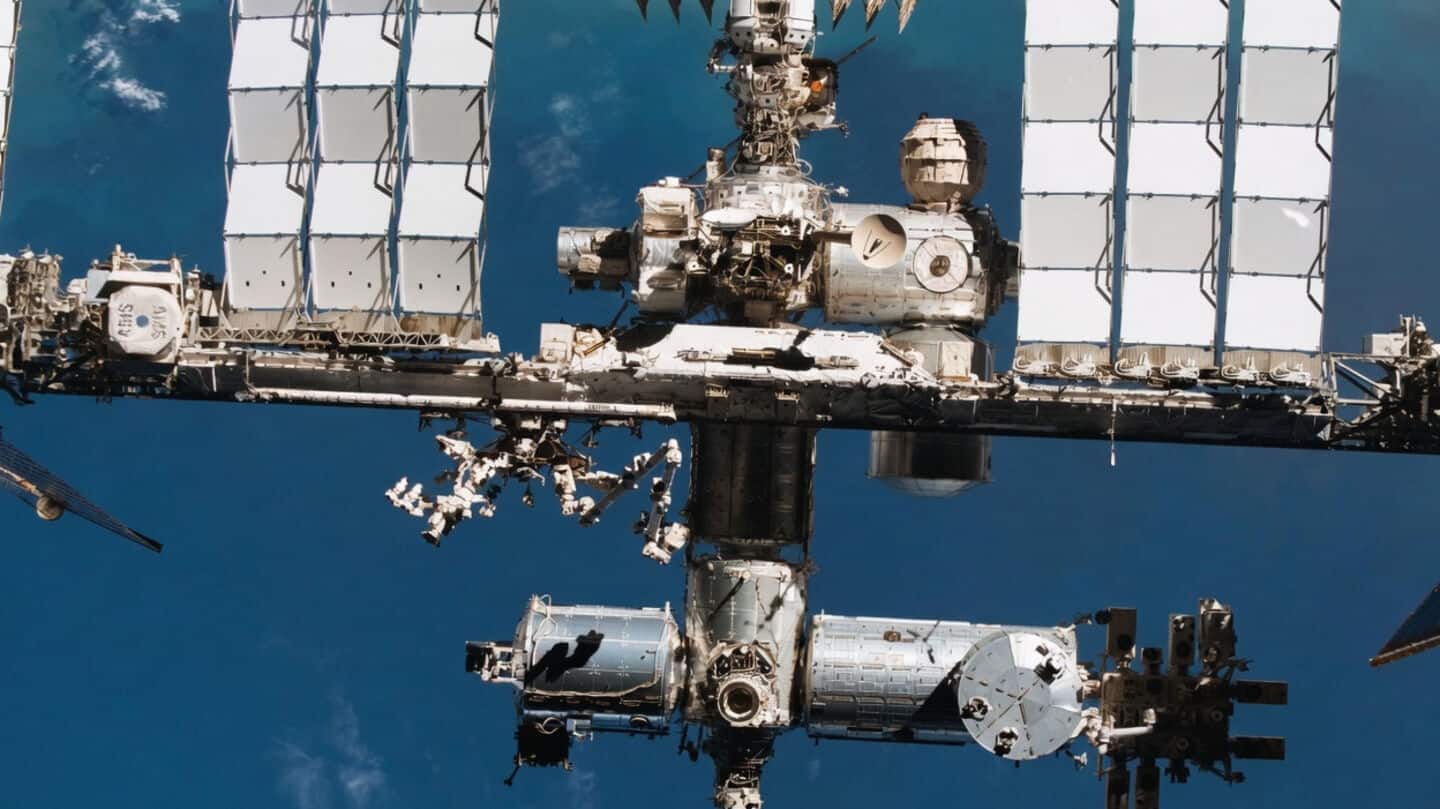
NASA recently had five astronauts aboard the International Space Station (ISS) take shelter in a docked SpaceX Crew Dragon spacecraft. The precautionary measure was taken while their Russian counterparts worked to fix a leaking service module. The move came after Russia's space agency, Roscosmos, detected new leaks in its service module and opted for an "extensive repair operation."
Safety protocols
NASA confirms precautionary measure
NASA spokesperson Bethany Stevens confirmed the precautionary measure in an X post.
She said, "Out of an abundance of caution, NASA has directed all four of the agency's SpaceX Crew-12 members and NASA astronaut Chris Williams to assume an elevated safety posture in the Dragon spacecraft while the repair is underway."
Information
Leaks in Russian service module
The leaks in Russian service module aren't a new problem. Stevens noted that these cracks "have always been a concern that NASA watches very closely." The agency is working with Roscosmos and other international partners to find a more permanent solution for this ongoing issue.
International collaboration
ISS currently home to 10 people
The ISS is currently home to 10 people, including two NASA astronauts, one European Space Agency (ESA) astronaut, and one Russian cosmonaut.
They arrived at the station in February as part of a long-duration SpaceX Crew-12 Dragon mission.
Another three (one NASA astronaut and two other cosmonauts) joined them last November aboard a Russian Soyuz mission.
This international collaboration highlights the global effort in space exploration and research.
Space station's fate
Future of the ISS uncertain
The ongoing repair operation and temporary shelter order come at a time when the future of the ISS is uncertain.
Under new administrator Jared Isaacman, NASA is pushing to replace the aging space station with commercially produced modules later this decade.
This move marks a significant shift in space exploration strategy as we look toward more sustainable solutions for human presence in low Earth orbit.