NASA targets 2028 China aims 2030 moon's south pole landings
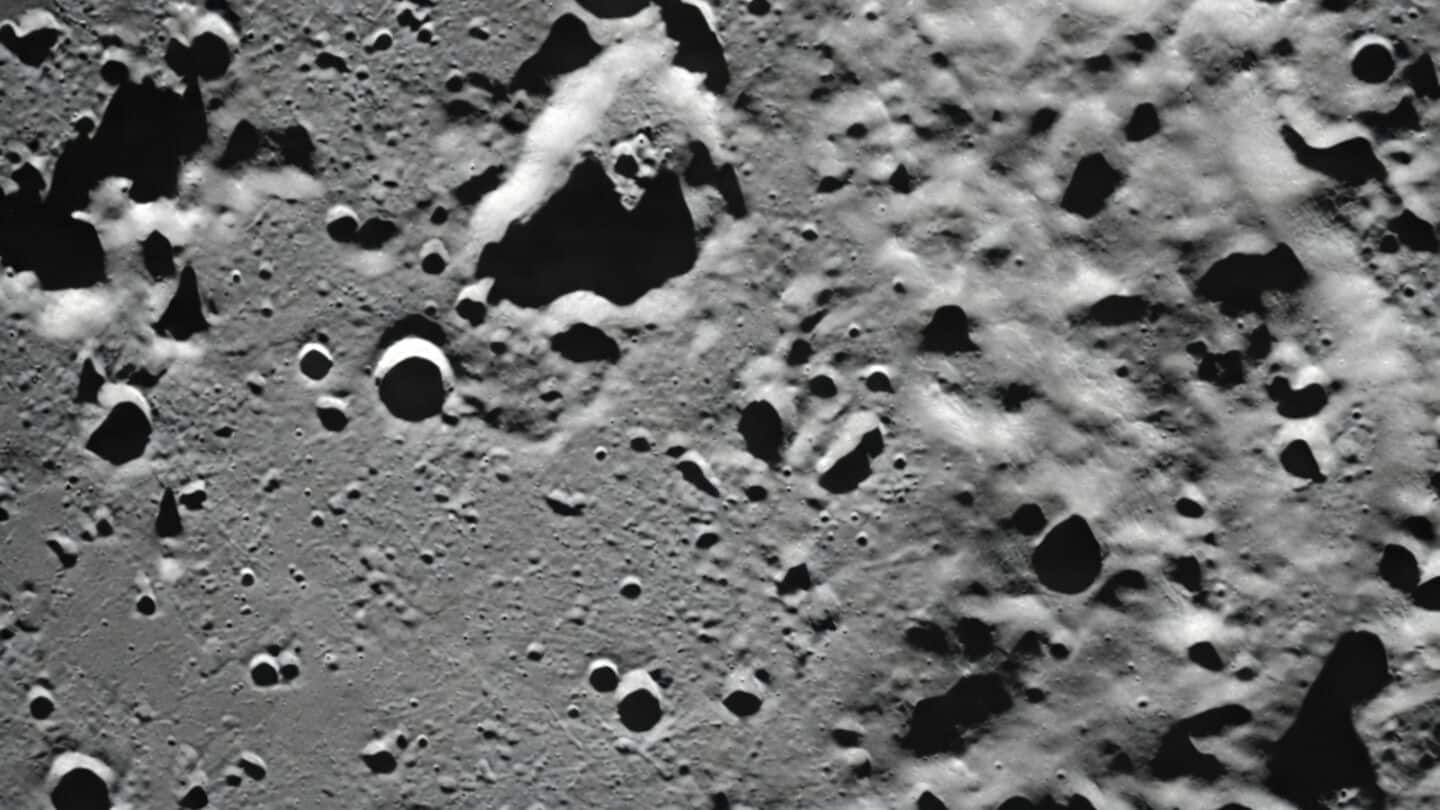
The US and China are both aiming to land astronauts near the moon's south pole, hoping to tap into water ice that could support future lunar bases.
NASA is targeting 2028 for its crewed landing, while China is aiming for 2030, but experts think China's steady progress with projects like the Tiangong space station and recent sample returns might give them an edge.
Chang'e-7 and Griffin scout lunar resources
Before humans arrive, both countries are planning to send robotic missions to scout out resources.
China's Chang'e-7 launches this month with a full suite of gear (a rover, orbiter, lander, and "hopper") to hunt for water ice in tricky terrain.
Griffin, developed by Astrobotic Technology, is also set to head there in late 2026, but faces engineering and technological challenges that could lead to delays.
South pole water could fuel exploration
The moon's south pole isn't just about bragging rights: it could be a game-changer for space exploration.
Water ice there can be turned into oxygen, drinking water, or even rocket fuel.
Plus, it offers a unique spot for science and deep space views: no wonder both countries want to plant their flags first.