NASA to build base on the Moon for $20B
What's the story
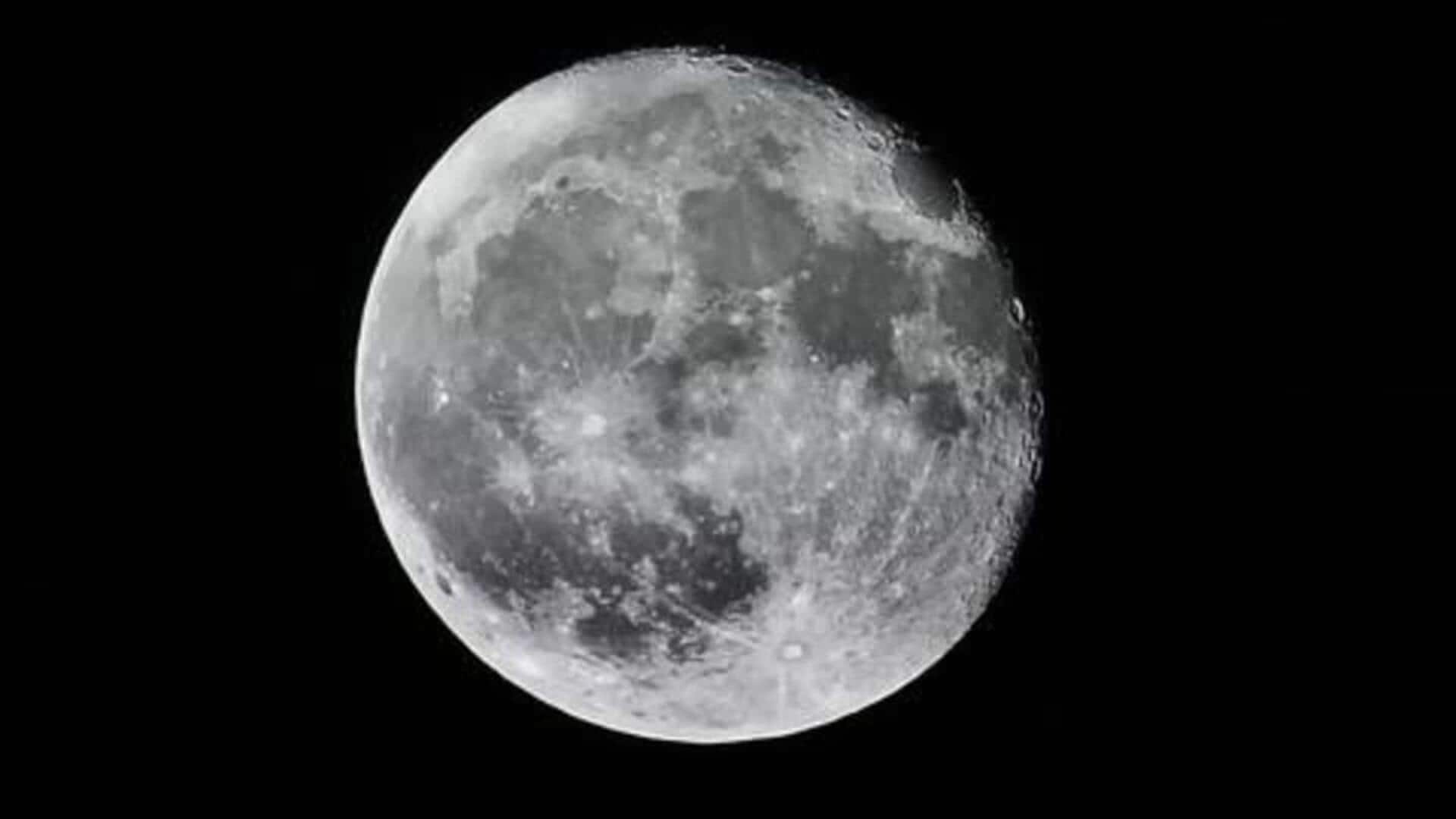
NASA's Administrator Jared Isaacman has unveiled ambitious plans for a $20 billion base on the Moon. The announcement was made during the agency's Ignition event on Tuesday. Isaacman said this project will create an "enduring presence" on the Moon, as part of a broader strategy amid growing competition from China.
Project
Lunar base will be built in 3 phases
The lunar base will be built in three phases. The first phase will see the establishment of communications and navigation systems, along with robotic landers and vehicles for Moon exploration.
The second phase will include "recurring astronaut operations on the surface," paving the way for a "long-duration human presence."
This would eventually enable heavier infrastructure delivery to create a permanent lunar base.
Project shift
NASA pauses Gateway project
In light of the new lunar base plans, NASA has decided to pause its Gateway project "in its current form."
The Gateway was supposed to be a space station orbiting the Moon.
Instead, NASA will now "shift focus to infrastructure that enables sustained surface operations," and plans to "repurpose" some of the equipment originally intended for its Gateway project.
Construction hurdles
Timeline for completion of lunar base not yet clear
Isaacman did not provide a specific timeline for the completion of the lunar base.
However, he said, "We will invest approximately $20 billion over the next seven years and build it through dozens of missions."
The construction of this human-friendly lunar base will have to overcome extreme temperatures, space radiation, low gravity effects on bone mass/muscle strength/blood flow, and micrometeorite impacts.
Space race
Isaacman says China has means to challenge US in space
Isaacman was nominated by US President Donald Trump in 2024, before his nomination was pulled and he was renominated.
At his second confirmation hearing, Isaacman stressed the need to counter China's space ambitions.
He said China has the "will and means to challenge American exceptionalism" in space.
This comes as China also plans to land humans on the Moon by 2030 and establish a base there.
Mars mission
NASA plans 1st nuclear-powered interplanetary spacecraft by 2028
Along with the lunar base, NASA also plans to launch Space Reactor-1 Freedom, its first nuclear-powered interplanetary spacecraft. The mission is scheduled for the end of 2028.
When it reaches Mars, the spacecraft will deploy a payload with helicopters similar to Ingenuity, which made history in 2021 as the first powered-controlled flight on another planet.