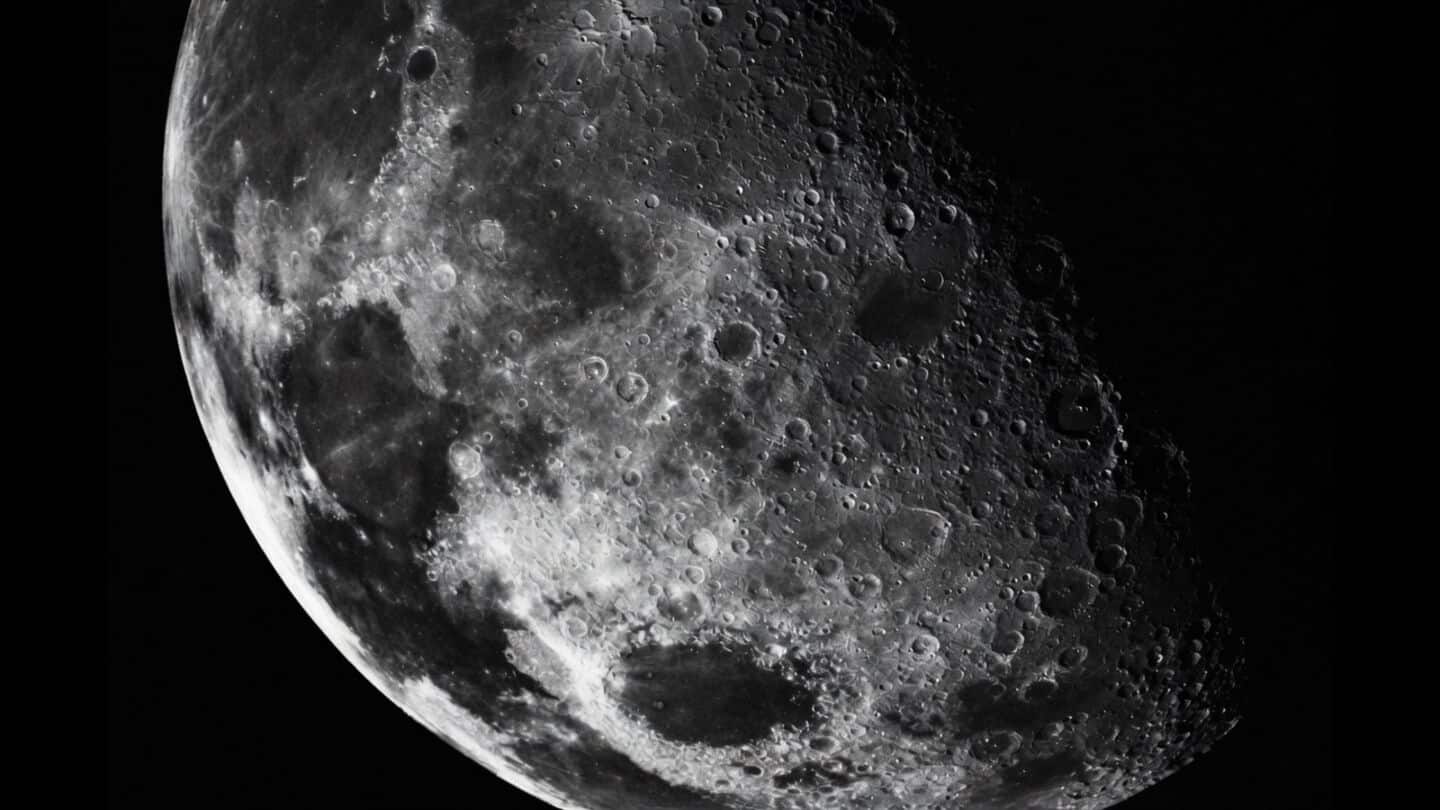
NASA, University of Maryland show microbes survive Moon south pole
Turns out, some Earth microbes are tougher than we thought!
NASA and University of Maryland researchers discovered that bacteria and fungi from human missions could actually survive in the freezing, dark spots of the moon's south pole.
This flips the script on old assumptions that tiny microscopic hitchhikers carried by human missions would be wiped out almost instantly.
Microbes could contaminate lunar samples
The team tested five common spaceflight microbes by recreating lunar conditions using NASA orbiter data.
All managed to stay alive (though dormant) for at least 24 hours in shaded areas: one fungus, Aspergillus niger, could potentially endure in these cold shadows for up to a week.
Scientists are now concerned these microbes might mess with lunar soil samples and make studying the Moon's history trickier.
With Artemis III aiming to land humans there, keeping things clean is more important than ever.