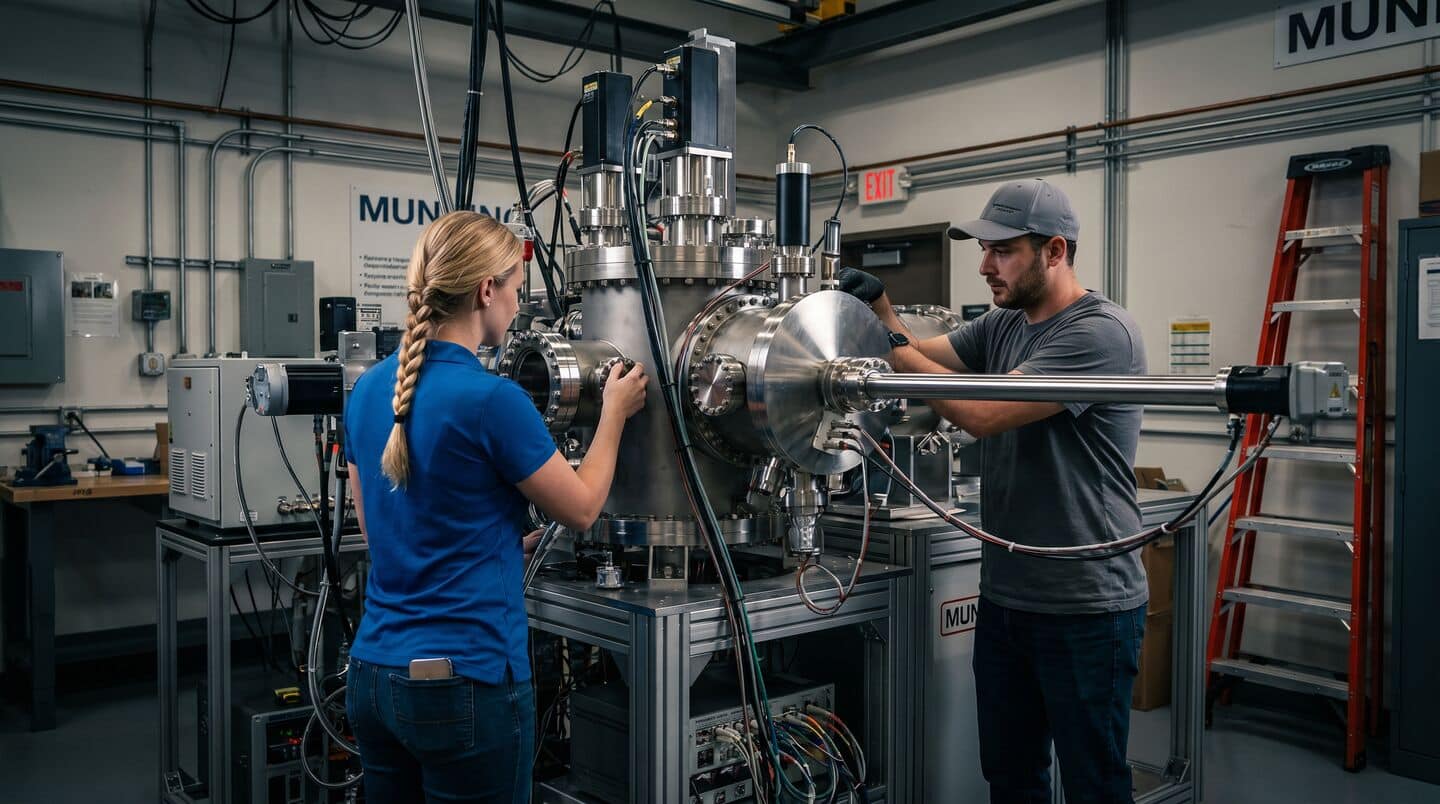
NASA's lithium electromagnetic thruster hits 120 kW, promising Mars missions
NASA just pulled off a big win in space tech: its team tested a new electromagnetic thruster that runs on lithium
and NASA says electric propulsion systems can use up to 90% less propellant than traditional, high-thrust chemical rockets.
It hit 120 kilowatts, the highest achieved in US tests of an electric propulsion system, and could be the game changer for sending astronauts to Mars.
NASA thruster survived testing above 5,000°F
This thruster is part of NASA's Space Nuclear Propulsion project, built with help from Princeton and the Glenn Research Center. It survived crazy-high temperatures (over 5,000 degrees Fahrenheit) in testing, and it is aiming to push it even further soon.
With nuclear power behind it, this technology could mean lighter launches and bigger missions, making human trips to Mars much more realistic.
As NASA Administrator Jared Isaacman put it, this is a "The successful performance of our thruster in this test demonstrates real progress toward sending an American astronaut to set foot on the Red Planet."