We might finally have a cure for this tropical disease
What's the story
A new species of bacteria, discovered in patients suffering from noma, could be the key to developing treatments for this neglected tropical disease. Noma is a life-threatening condition that begins as a sore on the gums and progresses to destroy mouth and facial tissues. It mainly affects young, poor, malnourished children and has been dubbed the "face of poverty."
Disease impact
Noma affects malnourished children
Without treatment, noma is fatal in 90% of cases. Survivors are often left with lifelong scars and disfigurement.
Though it can be treated with broad-spectrum antibiotics, the exact cause of this neglected tropical disease has remained elusive.
Research led by the Liverpool School of Tropical Medicine sought to study the bacterial community in noma patients' mouths using samples from 19 children in Nigeria.
Bacterial revelation
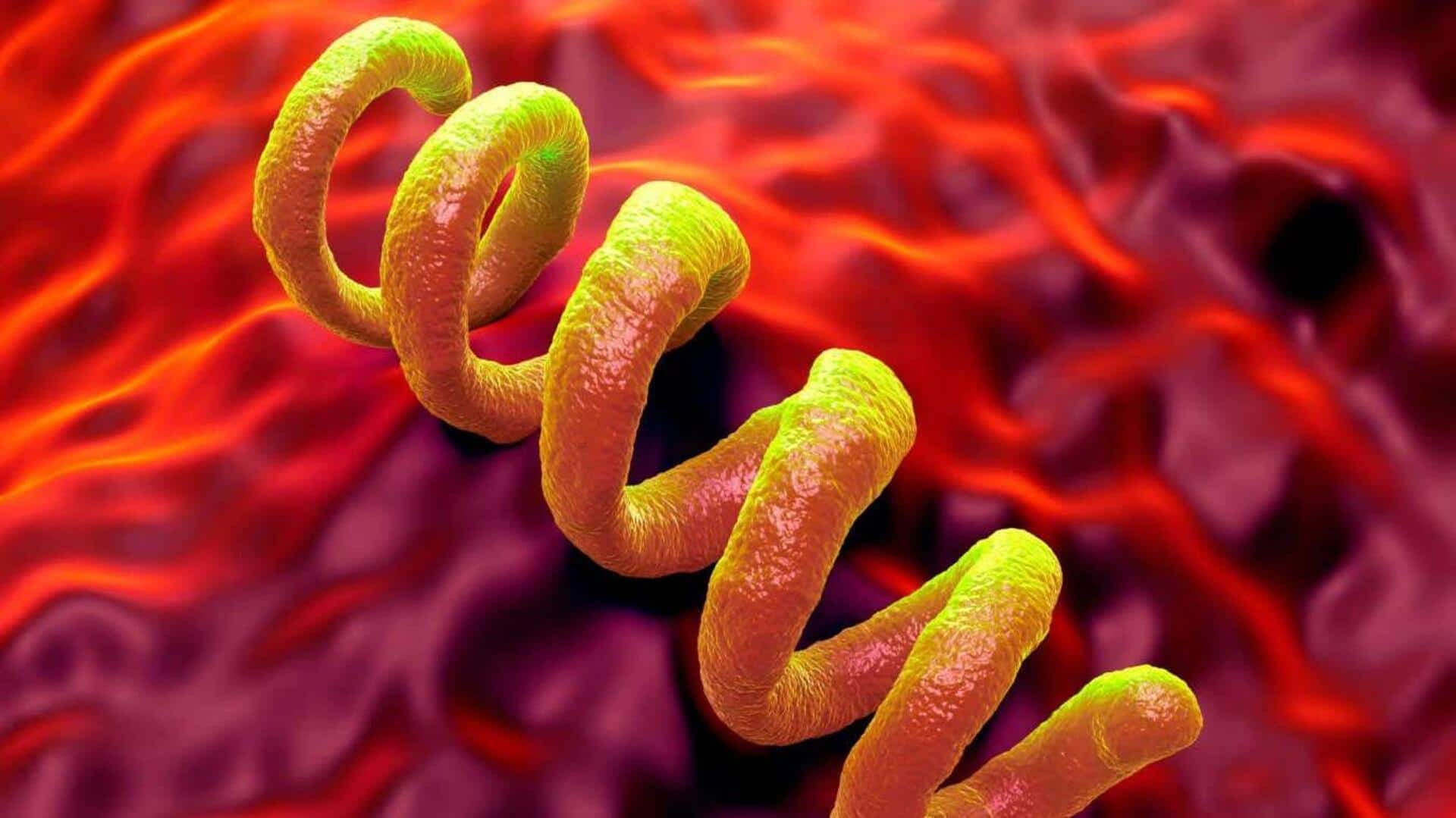
New species of Treponema bacteria
The study found an unusual microbial community with fewer normal, healthy bacteria but a surge in other strains.
Further investigation revealed a new species of Treponema bacteria in most samples from noma patients.
The discovery was made by PhD student Angus O'Ferrall, who analyzed the data and identified the species.
Professor Adam Roberts, a senior author on the study, described it as "a great reveal."
Research expansion
Expanding the research
The research team is expanding their study with samples from more noma patients and healthy individuals across different countries.
The goal is to determine whether the Treponema bacteria, now known as Treponema A, can colonize a noma wound or cause it.
Professor Roberts stressed that they don't know the causality yet but hope this larger study will provide answers.
Diagnostic implications
Potential test could prevent progression
Professor Roberts hopes a test for children with gingivitis that detects Treponema A could prevent the disease from progressing.
He said, "But if we know that actually Treponema A, for example, is always or 99% associated with the development of noma at the gingivitis stage then we could detect and treat prophylactically with antibiotics to stop it progressing."
This targeted approach could also reduce the risk of antimicrobial resistance from broad-spectrum antibiotic treatment.