This fatal pregnancy complication might finally have a cure
What's the story
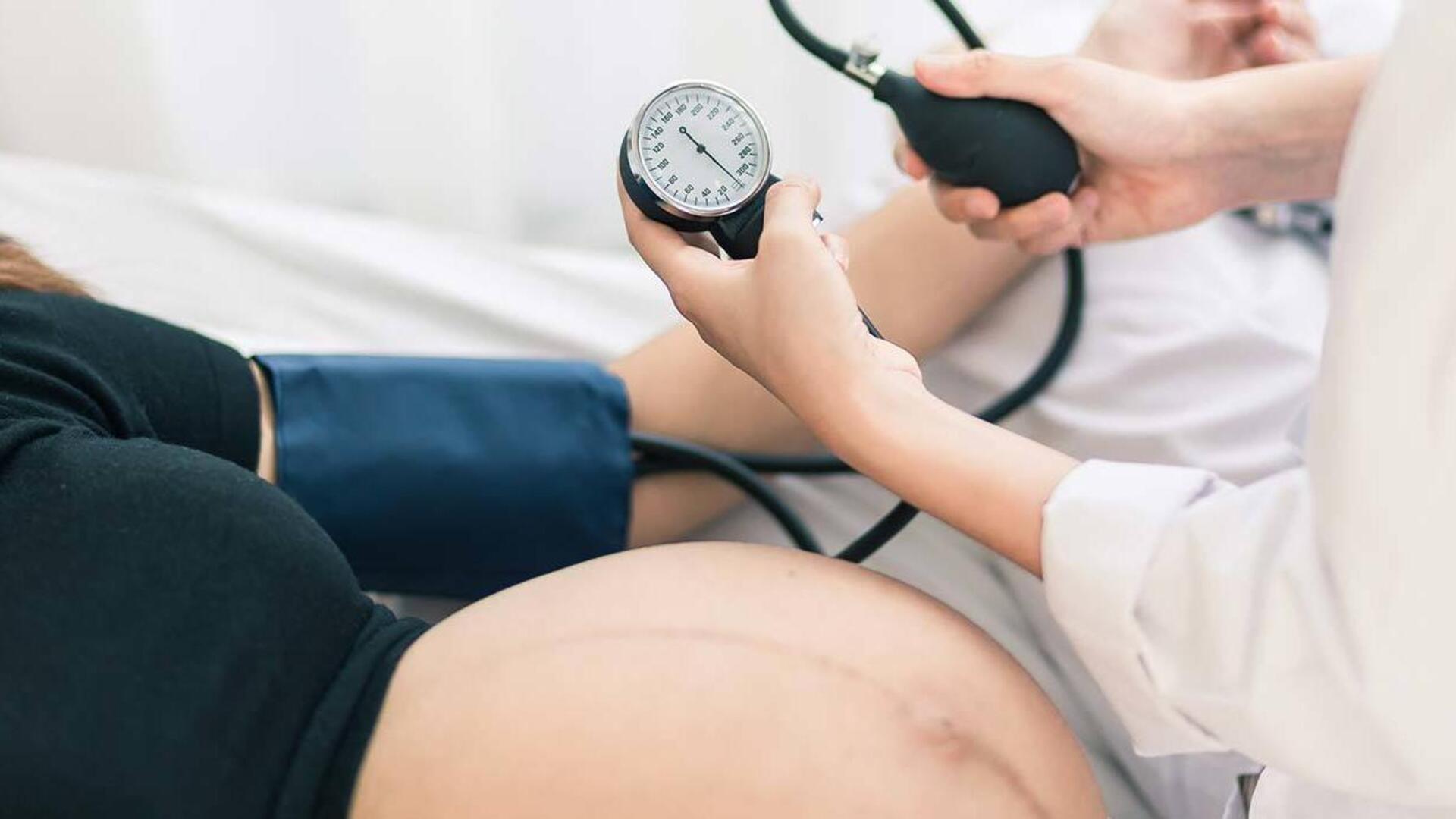
A new drug has shown promising results in the treatment of preeclampsia, a serious pregnancy complication. The condition is characterized by high blood pressure and damage to organ systems, most often the liver and kidneys. It can lead to serious health problems for both mother and baby if not treated promptly. The breakthrough comes from a clinical trial led by Cathy Cluver at Tygerberg Hospital in Cape Town, South Africa.
Trial success
Initial disappointment turned to breakthrough for patient number 16
The drug, DM199, was initially developed for stroke treatment. However, its potential application in preeclampsia was discovered by DiaMedica Therapeutics.
In the trial, the team started with small doses of the drug and gradually increased it. They were initially disappointed when there was no major effect on blood pressure in early patients.
But everything changed with patient number 16 who received a higher dose and saw her blood pressure stabilize almost immediately.
Drug details
Drug could be a game-changer in preeclampsia treatment
The drug works by stabilizing the lining of blood vessels, making them "happier," according to Cluver.
It also doesn't cross into the placenta or breastmilk, indicating its safety for both mother and baby.
This could make DM199 the first pharmaceutical treatment for preeclampsia, a major cause of maternal mortality worldwide with at least 42,000 deaths annually.
Next steps
Need for larger studies to validate findings
While the initial results are promising, researchers stress the need for further studies on a larger population to fully understand the drug's effects.
Cornelia Graves, Medical Director at Tennessee Maternal Fetal Medicine, emphasized this point.
"This is a small study — it has great potential but we need a bigger data set on a broader population," she said.