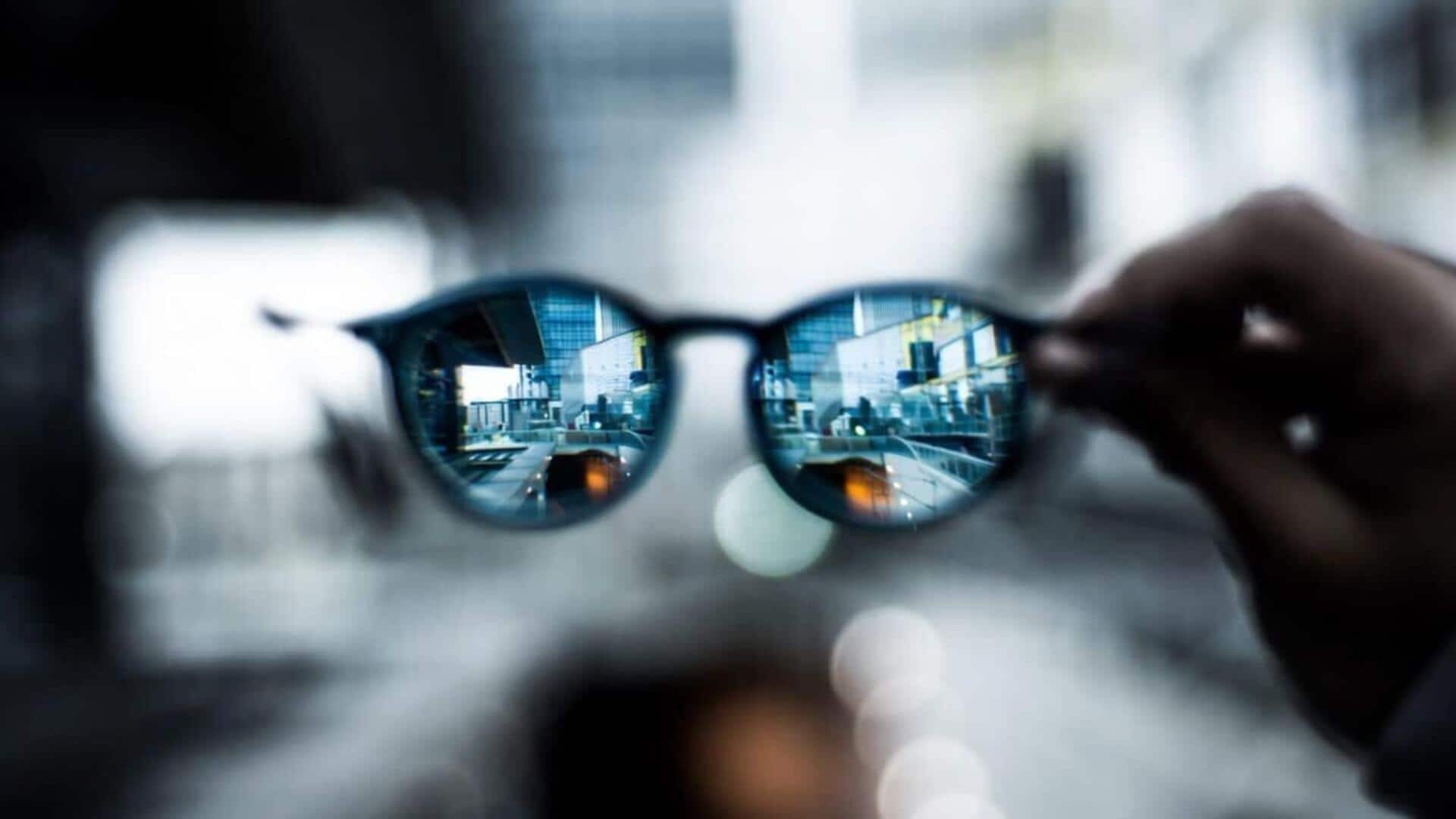
Norway plans to ban smart glasses in public spaces
What's the story
Norway is considering a temporary ban on smart glasses in certain public spaces, amid global concerns over the proliferation of AI-powered recording devices. The Oslo government has proposed a bill to prohibit the use of camera-enabled spectacles in parks, beaches, museums, shopping centers and schools. However, private use would still be permitted under this legislation.
Privacy fears
'We do not want a society where people are recorded'
Torgeir Micaelsen, Norway's Minister of Digital Affairs, has expressed concerns over the introduction of such powerful technology that could lead to people being photographed or filmed without their knowledge.
He said, "We do not want a society where people worry about being recorded without their knowledge."
The proposed ban is part of a broader trend of restrictions on smart glasses in countries like the UK and US due to privacy concerns.
Legislative process
Labour Party needs backing from other parties to pass ban
The Labour Party, which leads a minority government in Norway, will need the backing of other parties to pass this proposed ban.
The party has said it plans to submit a bill "as soon as possible" and is working with an expert group on permanent regulations regarding smart glasses.
This move comes amid rising concerns over privacy violations by these devices.
International reactions
Similar actions taken by businesses and governments worldwide
The proposed ban in Norway comes as a response to similar actions taken by businesses and governments around the world.
In the UK, restaurant owners and cinema chains have already expressed their opposition to customers using smart glasses due to privacy fears.
Meanwhile, California Governor Gavin Newsom recently vetoed legislation that would have penalized citizens for using smart glasses to record people without their permission in private spaces.
Filming incidents
About 20 unconsented filming cases in France
In France, child welfare group E-enfance has received about 20 reports this year of women being filmed without their knowledge using camera-equipped glasses.
Most cases involved Meta smart glasses and followed a similar pattern: a young girl or woman was approached in public and filmed without her knowledge, with the clip later shared on social media as a prank or street interview.
Corporate stance
Meta advises users to respect people's preferences
Meta, which sells AI glasses in collaboration with eyewear brands Ray-Ban and Oakley, has stressed that each pair comes with a tamper-proof LED light that blinks when recording or taking pictures.
The company advises users to respect people's preferences and stop recording if anyone expresses discomfort.
Despite these measures, privacy groups continue to raise alarms over the growing opposition against AI glasses.