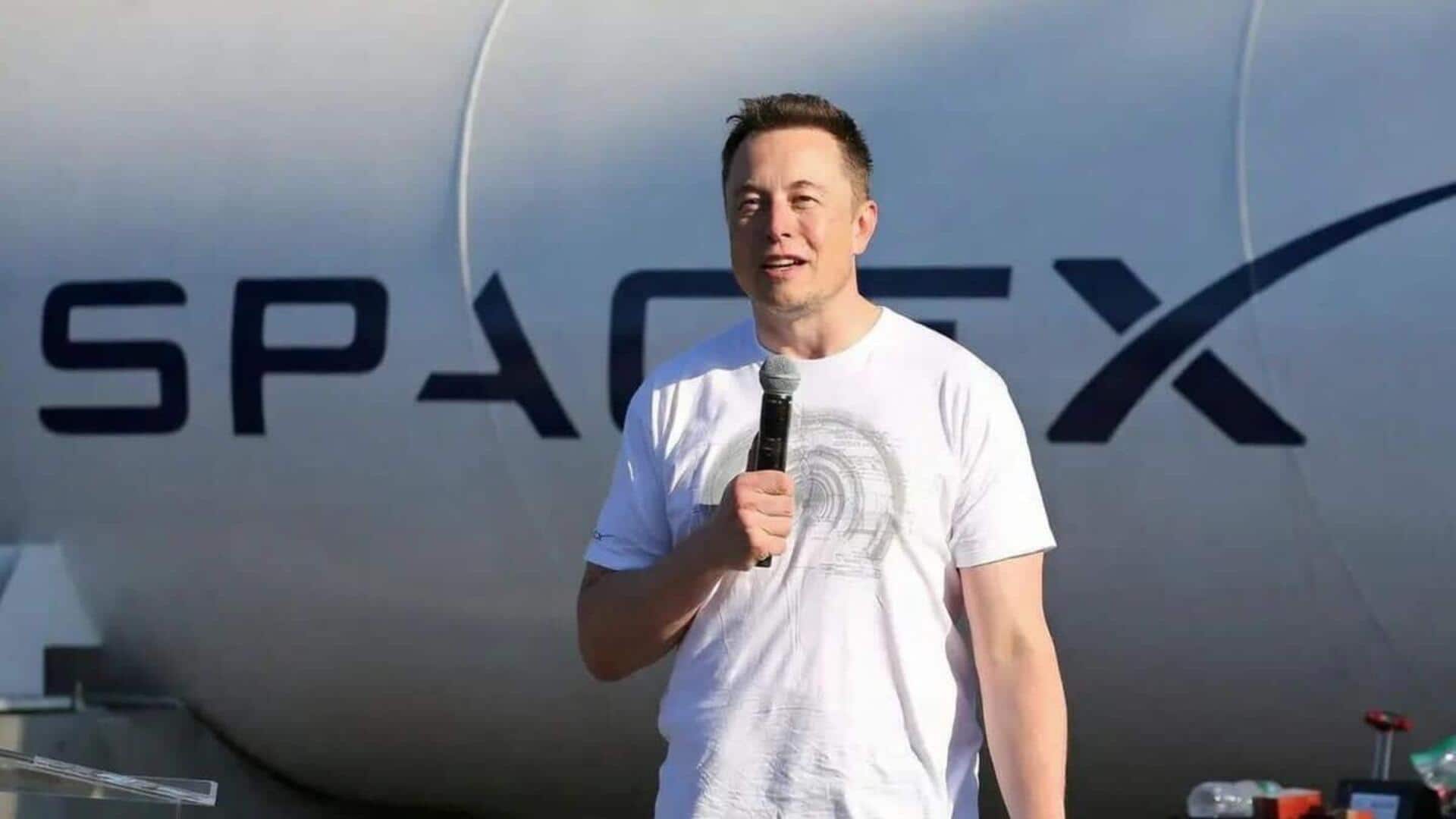
Only Elon Musk can fire himself from SpaceX, filing shows
What's the story
SpaceX's IPO filing has revealed that only Elon Musk can remove himself from his positions as CEO and chairman of the board. The document states that such a move would require the vote of Class B holders, super-voting shares with 10 votes each. After the IPO, Musk will control these shares, making his removal effectively a self-vote.
Voting power
Musk could control election, removal of board members
The filing further states that if Musk keeps a significant portion of his Class B common stock for a long time, he could continue to control the election and removal of most board members.
This provision is part of a dual-class structure SpaceX plans to adopt at its IPO.
The move is common among founder-led tech companies going public as it gives more control to founders and early investors compared to public shareholders.
Control
Musk has effective veto over his removal
Corporate governance experts say the provisions would give Musk an effective veto over any attempt to remove him.
This level of control is considered unusual as it directly ties removal to his own voting power.
SpaceX has warned potential investors that this structure "will limit or preclude your ability to influence corporate matters and the election of our directors."
Industry trend
Dual-class share structure seen in recent tech IPOs
Dual-class share structures have become a common feature in founder-led tech companies going public.
Facebook, which went public in 2012, gave super-voting shares to pre-IPO holders including Mark Zuckerberg.
More recent listings like Figma have concentrated super-voting shares more directly with founders after an IPO.
SpaceX will be divided into Class A common stock for public investors and Class B super-voting shares for insiders, giving Musk majority voting power.