Musk's lawsuit against OpenAI, Microsoft heads to trial
What's the story
A US District Judge in Oakland, California has denied OpenAI and Microsoft's attempts to dismiss Elon Musk's lawsuit, paving the way for a jury trial scheduled for late April. The case stems from Musk's allegations that OpenAI strayed from its original mission as a public charity after accepting billions in funding from Microsoft and planning to transition into a for-profit entity.
Case details
Musk's claims and OpenAI's response
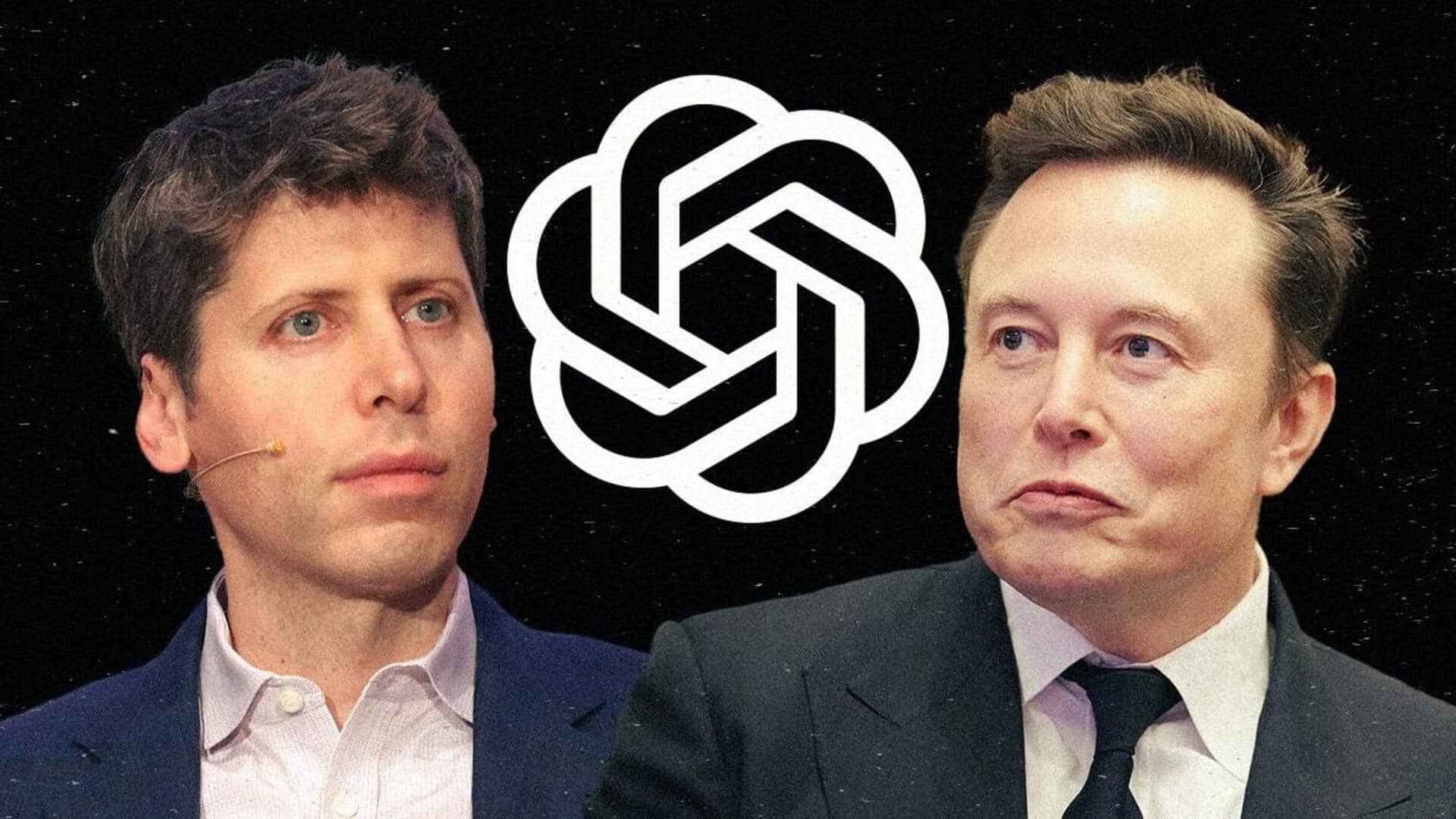
Musk, who co-founded OpenAI with Sam Altman in 2015, alleges that his donations to the company were meant for charitable purposes and came with two key conditions: that OpenAI would remain open-source and nonprofit.
OpenAI has denied these allegations, calling the lawsuit "baseless" and part of Musk's "ongoing pattern of harassment."
The company also expressed its commitment to empowering the OpenAI Foundation as one of the best-resourced nonprofits ever.
Legal proceedings
Judge's ruling on Musk's allegations
The judge, Yvonne Gonzalez Rogers, upheld Musk's claim that OpenAI violated its commitment to function as a charitable trust.
She noted that the evidence is unclear but pointed out emails and private notes from OpenAI co-founder Greg Brockman in 2017.
In one email, Brockman had expressed his desire to continue with OpenAI's non-profit structure while in another private note he hinted at possible future changes away from this commitment.
Trial focus
Jury to decide on Microsoft's involvement
The jury will have to determine if Microsoft aided OpenAI in violating its obligations to donors, including Musk.
The judge found "considerable evidence" suggesting that Microsoft had actual knowledge of wrongdoing.
However, she dismissed Musk's claim that Microsoft unjustly enriched itself at his expense due to lack of evidence or facts supporting such a finding.
Corporate changes
OpenAI's restructuring and ongoing legal battle
In October, OpenAI announced a restructuring plan that gave Microsoft a 27% stake in the company. The move was part of a strategy to keep its nonprofit arm overseeing for-profit operations.
This transition fulfilled Altman's long-held goal as CEO. However, Musk and Altman have been at loggerheads over OpenAI's future since 2024, with Musk's xAI emerging as one of its main competitors.